
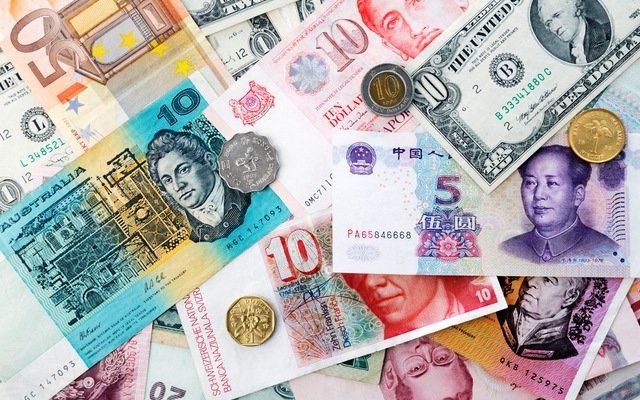
Airport currency exchange counters are where money goes to die — I’ve seen spreads of 15 percent, meaning you lose $15 of every $100 before you’ve even left the terminal. Meanwhile, the best way to exchange currency is often to barely exchange any at all. The game has changed, and most travelers are still playing by 2010 rules. Nailing the “best way to exchange currency before a trip” took me years of airport-counter losses — now I run a simple two-card system.
Here’s the modern reality: in most destinations, cards dominate and cash is for small vendors, tips, and emergencies. Your strategy should be: get a little foreign cash cheaply before you go, use no-fee cards for everything else, and use local ATMs wisely for top-ups.
The full playbook, from cheapest to most expensive methods:
Before You Go: The Smart Setup
Step one: get a no-foreign-transaction-fee credit card and use it for everything abroad. This is the single highest-impact move — typical foreign transaction fees run 3 percent, and avoiding them on a $3,000 trip saves $90. Cards from Chase, Capital One, and others offer $0 annual fee options with no foreign fees. Pay in local currency when asked (never accept the ‘pay in USD’ conversion — the merchant’s exchange rate is always worse).
Step two: order a small amount of foreign cash from your bank before departure — $100–$200 worth. Most major US banks order foreign currency with 2–5 business days’ notice at reasonable rates (far better than airport counters). This covers arrival needs: the taxi, the first meal, tips. Some banks (like Schwab’s checking) even reimburse ATM fees worldwide, which changes the whole equation.
Step three: set up your ATM strategy. The best exchange rate most travelers will ever get is a local ATM withdrawal with a no-fee debit card — you get the interbank rate, typically within 1 percent of the true rate. Decline the ATM’s ‘convert for you’ offer (same trap as the merchant — always choose local currency). Avoid ‘independent’ ATMs in tourist areas (Euronet and its cousins charge steep fees); use bank-affiliated ATMs.
Methods Ranked: Best to Worst
Best: no-foreign-fee credit card for purchases (interbank rate, zero effort, purchase protections). This should handle 80–90 percent of your spending in most developed destinations. Second best: local bank ATM with a fee-free debit card (interbank rate plus maybe a small ATM fee — still excellent).
Mid-tier: ordering currency from your US bank before departure (convenient, decent rate, small markup), and exchanging at a reputable local exchange office abroad (competitive in tourist cities — compare three and pick the best rate; avoid anyone charging ‘commission’ on top of the spread). Post offices in some countries (Japan, parts of Europe) offer fair rates too.
Worst: airport exchange counters (terrible rates, captive audience), hotel front desks (convenience markup), exchanging at home through mall kiosks (Travelex and friends — the rates are brutal), and buying foreign currency from your bank at the counter without ordering ahead (worse rate than the order-ahead service). The rule: the more captive you are, the worse the rate. Plan ahead and you’re never captive.
Destination-Specific Notes
Cash-heavy destinations (Japan, parts of Southeast Asia, rural areas everywhere): bring more cash and plan ATM stops. Japan’s 7-Eleven ATMs (7-Bank) accept foreign cards reliably — konbini ATMs are a traveler’s best friend. In these places, the ATM strategy matters more than the card strategy.
Card-dominant destinations (most of Europe, UK, Australia, Scandinavia): you might need almost no cash. Contactless payment is universal; some places are cashless-only. Still carry a small amount for markets, tips, and the occasional cash-only gem. Our Italy packing guide notes that small trattorias and markets still prefer cash.
Always: carry two different cards (Visa + Mastercard, ideally) in case one network has issues; keep emergency cash ($100 USD) hidden separately from your wallet — USD is exchangeable everywhere in a pinch; and notify your bank of travel (though many banks now detect travel automatically, a quick app notification prevents frozen-card disasters). For budgeting the trip itself, our Hawaii cost breakdown shows how currency fits into total trip math.
Best Way to Exchange Currency Before a Trip: The Two-Card System
The two-card system: one no-foreign-fee credit card for purchases, one fee-free debit card for ATM cash — on different networks (Visa + Mastercard). The credit card handles 90 percent of spending at the interbank rate with purchase protections. The debit card handles the cash needs — small vendors, tips, markets — via local ATMs at near-interbank rates. Two cards, two networks, zero foreign transaction fees, total coverage. If one card has an issue (fraud lock, machine rejection), the other covers you. This redundancy has saved three of my trips from card-disaster spirals.
For comparing specific card offers and current fee structures, Bankrate’s travel card guides keep updated comparisons — worth a look before your trip if you don’t already have the right cards. And the final currency truth: the best exchange rate is the one you never think about. Set up the two cards once, use them correctly abroad (local currency, reputable ATMs), and currency stops being a travel task at all. It becomes what it should be: invisible infrastructure beneath the actual trip.
Currency Strategy Cheat Sheet
- Get a no-foreign-transaction-fee credit card — use for 80–90% of spending
- Always pay in LOCAL currency, never accept USD conversion
- Order $100–$200 foreign cash from your bank before departure
- Use bank-affiliated local ATMs; decline ‘conversion’ offers
- Schwab-type checking reimburses ATM fees worldwide
- Avoid airport counters, hotel desks, mall kiosks
- Compare 3 local exchange offices if you must exchange abroad
- Cash-heavy destinations (Japan): plan ATM stops; 7-Eleven ATMs work
- Carry 2 cards on different networks + $100 USD emergency cash
- Notify bank of travel dates via app
The 10-Minute Setup
An hour of setup before your trip — the right card, a small bank currency order, ATM strategy noted — saves 5–10 percent on everything you spend abroad. On a $3,000 trip, that’s $150–$300 back in your pocket for ten minutes of work. It’s the highest-ROI travel prep there is.
And once you’re there: card for everything, local ATM for cash top-ups, never the airport counter. Your money works as hard as you do — make sure the exchange doesn’t skim it first.



2 Comments