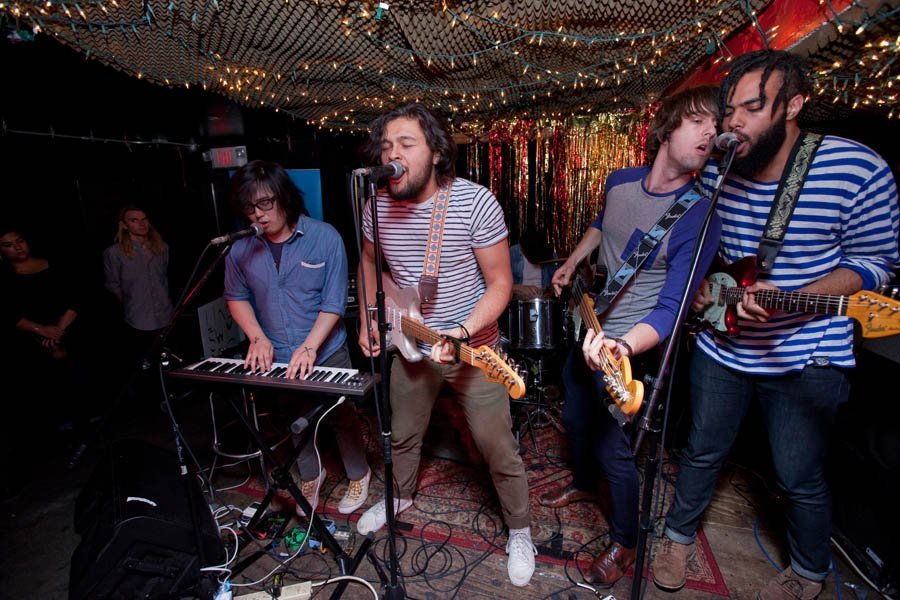
A band has 4,000 monthly listeners, a new EP, and a show forty minutes from your house in a room that holds eighty people. Twelve fans are already there, singing along to a chorus released last month. How did those twelve know? They were not lucky, and they do not have secret access. They simply avoid the habits that keep most listeners permanently late, and they place themselves where new music surfaces first. Becoming one of them starts with unlearning the mistakes, because the mistakes feel like discovery while quietly guaranteeing you arrive after everyone else.
The Mistakes That Keep You Late
Mistake 1: Waiting for the big playlists. The largest editorial and algorithmic playlists are the end of the discovery chain, not the start. By the time a song lands there, labels, publicists, blogs, and smaller playlists have already moved it through several stages. A listener who relies on those lists alone will always meet an artist at the moment of arrival, never before it. The same applies to trending pages on short-video apps. A song trends there after it has already broken somewhere else.
Mistake 2: Listening only to artists who sound exactly like your favorites. Similarity tools are useful, but used alone they trap you in a loop of near-copies released by acts at the same level of fame. The next wave rarely sounds like a clone of the last one. It often comes from the edges: the support act with a different setup, the side project, the artist on the same small label who shares a producer but not a sound. Pure similarity searching also misses geography. Scenes produce clusters of unlike bands who share venues and audiences rather than a style.
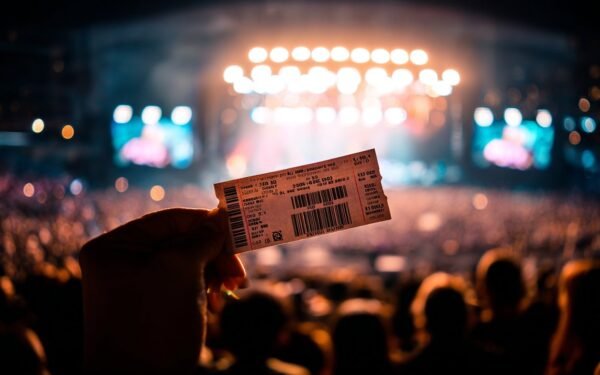
Mistake 3: Skipping the opening act. Arriving just before the headliner is the most common way regular gig-goers miss the very artists they claim to want to find. Promoters and headliners choose openers deliberately. A young band gets that slot because someone with ears believes in them, and the ticket you already bought includes their set at no extra cost. Leaving the bar or the merch line during the opener is paying for discovery and throwing it away.
Mistake 4: Following only huge accounts. A curator with two million followers has the same problem as a big playlist: too much to lose by being early. The accounts that surface artists first are usually small and specific: a college radio DJ posting a weekly playlist, a genre writer with a modest newsletter, a venue booker, a fan who documents one city’s scene. Their lists are shorter, stranger, and months ahead. Following ten of those beats following one giant tastemaker.
Mistake 5: Treating discovery as passive. Saving songs and never returning to them is not a system. Without a place to put finds, a habit of checking back, and a willingness to see a cheap show on a thin hunch, even good sources blur into a feed you scrolled past. Early discovery is a light routine, not a talent. The people in that small room run the routine.
The Correct Way: Start Where Music Surfaces First
Begin with the places artists and small labels post before streaming services take notice. Spend regular time inside Bandcamp’s editorial and independent music catalog, especially its discovery pages filtered by your genres and by city. Sort by recent releases as well as best sellers. Read the short editorial features, then follow the labels behind any release you like. A small label is a human filter: if it released two records you love, its next signing deserves ten minutes of your attention on release day, not six months later.
Build the same habit with college and community radio. Those stations program for interest, not for charts, and their DJs often publish playlists after each show. Pick two or three stations that match your taste, save their new-music shows, and note any name that appears twice in a month. Repetition from independent DJs is a stronger early signal than a single big playlist add, because nobody is paying for those spins.
Use streaming services earlier in their pipeline, not later. Genre-specific new-release lists and small editorial collections such as Fresh Finds style playlists catch artists while their listener counts are still in the hundreds or low thousands. Keep a running playlist of your own called by the month, and drop every promising track into it the moment you hear it. The monthly playlist becomes your memory. At the end of the month, return to it, delete the songs that faded, and promote the survivors to a yearly list. That small act of sorting is what turns scrolling into taste.
For a wider net built from music you already love, combine this routine with the methods in how to find new music similar to your favorite bands, then deliberately step one ring outward: follow the collaborators, the producer, the label mates, and the tour mates of a favorite, not only the sound-alikes.
The Correct Way: Use Live Music as a Discovery Tool
Change one habit at shows and your hit rate changes with it: arrive for the opener, every time. Get there early enough to hear the full first set without rushing. If the opener is weak, you have lost thirty minutes and gained a drink in a quiet room. If the opener is strong, you have just seen an artist in the cheapest, closest setting that will ever exist for them. Buy the EP or the shirt at that show if you can. For a band at this level, a $25 merch sale is real money that funds petrol, strings, and the next recording.
Follow the infrastructure, not only the artists. Save the calendars of two or three small venues near you, the ones with capacities in the dozens or low hundreds, and check them weekly. Follow local promoters and independent bookers. Note the names that keep appearing as support for different headliners. A band booked as an opener three times in two months by different promoters is being co-signed by the local scene in public. That pattern is visible to anyone who looks, and almost nobody looks.
Festival lineups offer the same signal at scale. Ignore the top lines for a moment and read the bottom of the poster, where the early afternoon and small stage names sit in tiny type. Those slots are booked by people whose job is spotting what comes next. Pick three unknown names from the undercard, listen before the festival, and see them live while their sets are still easy to walk into. If one connects, you have a story and a new favorite at the exact moment both are cheapest to earn.
One more practical step ties the system together. Set aside twenty minutes once a week, on the same day, for new music only. Work through one label page, one radio playlist, and one venue calendar in that sitting, and add anything promising to the monthly list. Short, regular sessions beat a rare three-hour binge because releases and show announcements arrive weekly. Over a few months, the habit builds a personal map of your local scene and your favorite genres that no single app provides, and it costs nothing but attention.
The Correct Way: Read the Signals Without Fooling Yourself
Learn to spot the quiet signs that an artist is about to be pushed, then listen before the push lands. A tiny act with polished press photos, a proper booking contact, and a publicist’s email in the bio is preparing a campaign. Coverage clustering, where three small blogs write about the same release in the same week, usually means that campaign has started. A sudden run of support slots for larger acts means a bigger team has taken a bet. None of these signs guarantees success, and none should replace your ears. They are a sorting tool: when time is short, listen to the unsigned band with signals first.
Keep expectations honest while you build the habit. Most artists you find early will not become stars. Many will release two good records, play to small rooms for years, and stop. That is not a failure of your taste. A band with 5,000 listeners can still give you a perfect album and a memorable night in a small venue, and those are the actual rewards. Treat the occasional breakout, the club act you saw for $12 who later fills a festival stage, as a bonus on top of a routine that already pays you in music.
Share what you find, too. Send the track to the one friend who will listen. Take someone to the cheap show. Post the song while the band is still small enough to see it and reply. Early fans matter more than late crowds at this stage, in money and in morale. The twelve people in that small room were not an accident. They were listeners who skipped the big-list shortcut, showed up for the opener, followed the small curators and labels, and kept a simple system. Start that system this week, with one label followed, one venue calendar saved, and one opening set attended on purpose, and the next 4,000-listener band will not be a mystery to you. You will already be in the room.