
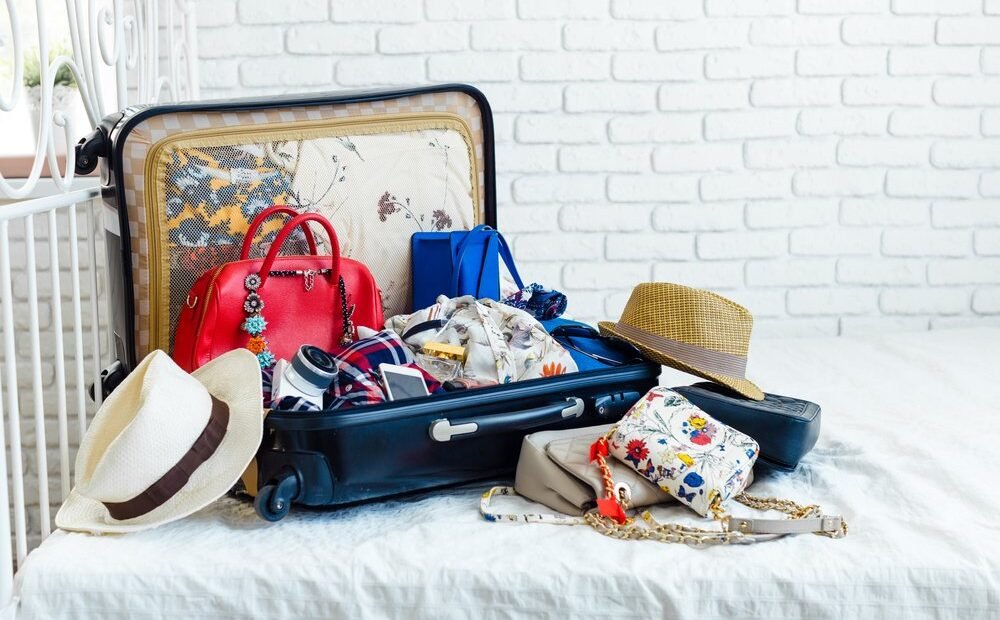
Cobblestones are a strict editor. In Italy, your suitcase will be dragged over ancient stones, lifted into trains, carried up the stairs of a third-floor walk-up apartment, and judged silently by every Italian who watches you do it — and Italy’s natives, who dress with legendary care in very few pieces, are correct about the principle: ten days is not ten outfits. It is one small system of clothes that combine, a daypack that does the daily work, and enough empty space for the things you will inevitably buy. Pack everything below into a single carry-on and you will move faster, dress better, and lose nothing to an airline. Here is the whole list first, then the reasoning piece by piece.
The checklist, complete
Clothing: three bottoms (two trousers or skirts, one alternative), five to six tops that all match all three bottoms, one warm layer, one light rain layer, underwear and socks for five days (you will wash once), sleepwear, one outfit that can dress up for a good restaurant, and a scarf or shawl. Shoes: two pairs total — the broken-in walking shoes on your feet, one smarter pair in the bag. Daily kit: a crossbody bag or money belt for valuables, a packable daypack, a phone charger with European adapters, a small power bank, toiletries in travel sizes, any medication in hand luggage, and a compact laundry kit. Documents and money: passport, one backup card, a small amount of euro cash, and phone photos of everything important. That is the whole suitcase; what follows is why each line earns its space.
The capsule wardrobe: ten days, three bottoms
The mathematics of a ten-day trip in one bag works only if everything matches everything. Choose a color story — navy, gray, black, or earth tones with one accent — and be ruthless about it: a top that goes with only one bottom is two outfits’ worth of space for one outfit’s value. Three bottoms rotated across ten days is plenty, because trousers and skirts do not need washing after every wear; five or six tops carry the variety, since tops are what people actually notice. Fabrics matter more in Italy than at home: choose things that resist wrinkles, dry overnight after a sink wash, and layer — merino, technical blends, and linen in summer (its wrinkles are locally acceptable, even stylish) beat heavy cotton, which dries slowly and weighs a wet ton. Pack for five days and wash once, halfway: a hotel sink, a travel detergent sheet, and a line over the bathtub resets the wardrobe in twenty minutes and is the entire secret of the one-bag ten-day trip. The contrast with cold-weather packing is instructive — what to pack for a winter trip to Colorado is a fight against bulk, while Italy is a fight against excess.
Shoes: the heaviest decision in the bag
Shoes are where carry-ons go to die, so the limit is two pairs and the rule is absolute: the main pair must already be broken in. You will walk fifteen to twenty-five thousand steps a day on stone that was laid before your country existed, and new shoes on cobblestones are a holiday-ending injury in slow motion. The walking pair should have a cushioned sole with some grip — wet marble and polished stone in old towns are genuinely slippery — and it should be presentable enough for all but the smartest restaurants, which in Italy is a lower bar than visitors fear. The second pair is the dressier or lighter option, worn to dinner and on the easy days. Wear the heavier pair on the plane; packed shoes are dead weight and wasted volume, and the space they would have taken is where the olive oil and the leather gloves from Florence are coming home.
Italy-specific items that earn their place
Four items exist on this list because Italy specifically demands them. First, the churches: major basilicas and cathedrals enforce a dress code — shoulders and knees covered — and being turned away from the one sight you crossed an ocean for, because of a sleeveless top, is a uniquely stupid way to lose an afternoon; the scarf or shawl on the clothing list is the universal key, draped as needed. Second, security gear: pickpockets work the tourist zones of Rome and Naples and the crowded trains between them, so valuables belong in a crossbody bag worn in front or a hidden money belt (about $15, and worth multiples of it), with the passport itself left in the hotel safe and a phone photo of it in your pocket. Third, adapters: Italy uses Type C, F, and L plugs, and the L’s three-in-a-row pins defeat some generic European adapters — carry one universal adapter with the Italian prongs confirmed. Fourth, a packable daypack, for reasons the next section covers.
The daypack strategy
Your days in Italy split into two modes: travel days, when the carry-on moves between cities, and base days, when it sits in the room and you roam. The daypack is the hero of base days — it carries the water bottle, the layer for a cool church interior, the market purchases, and the picnic, while your valuables stay in the crossbody against your chest. It is also the overflow valve for the return journey: purchases accumulate in it until it becomes your personal item on the flight home, which is how the one-bag traveler brings back a wheel of cheese, two bottles, and a stack of prints without ever checking a bag. Choose one that folds into its own pocket, weighs almost nothing, and has a zipper you can keep a hand on in a crowd. A daypack with a slash-resistant strap is a bonus, not a requirement; position and awareness do the real work.
The wash-once kit: how five days of clothes cover ten
The capsule math depends on one mid-trip laundry session, so the kit for it travels too, and it weighs almost nothing: a handful of detergent sheets (flat, dry, no leak risk), a universal sink stopper — a flat disc of rubber that makes any basin watertight — and either a travel clothesline or the plan to use the heated towel rail most Italian bathrooms conveniently provide. The method is unglamorous and fast: fill the sink with lukewarm water and a dissolved sheet, submerge the tops, underwear, and socks, agitate for a minute, let them sit while you shower, rinse, roll each piece in a towel and step on the roll to pull the water out, then hang. Done after dinner on day five, everything is dry by morning in most seasons. Choose fabrics with this wash in mind when you pack — the merino and the blends earn their place here, dripping dry overnight, while heavy cotton is still damp at checkout. One laundromat visit is the alternative, and in Italian cities the self-service lavanderia is quick and cheap, but the sink method costs nothing, happens in your pajamas, and doubles as the way a spilled-sauce emergency gets handled without a wardrobe crisis.
What not to pack
The mistakes are consistent enough to list. A hairdryer: Italian hotels and rentals provide them, and yours needs a voltage converter besides. Full-size toiletries: travel sizes plus one pharmacy stop in Italy, where pharmacies are excellent, beats a liter of shampoo in a plastic bag. A “just in case” formal outfit: one dress-up option is planned; a second is pure fear, and fear is heavy. More than two pairs of shoes, ever. A paper guidebook: your phone carries better information, and the space is worth a small fortune in souvenirs. Jewelry of real value: wear what cannot be lost painfully, and leave the rest home. A beach towel, an umbrella bought “for the trip” rather than in Italy for a few euros if rain actually comes, and any item whose only scenario begins with “but what if we decide to” — the honest translation is that you will carry it ten days and use it zero. For the structural model of how a list like this stays this short, Rick Steves’ carry-on packing list has been the carry-on-only standard for decades of European travel.
The night before: weigh, wear, leave room
Finish with three physical checks. Weigh the bag: European carry-on limits are stricter than American ones — often around 8 kilograms (about 17 pounds) on the strictest carriers — and a bag that passes at home should pass with the purchases removed, not added. Wear the bulkiest items on travel days: boots, the warm layer, the heaviest trousers. And verify, by eye, that a quarter of the bag is still empty when you close it. That empty quarter is not inefficiency, slack, or a planning failure; it is the whole point of the system. Italy will fill it with things you will keep for years, and the traveler who drags a moderate bag up the station stairs, boards early, and never waits at a carousel has understood the assignment: pack light, arrive rested, buy happy.



3 Comments