
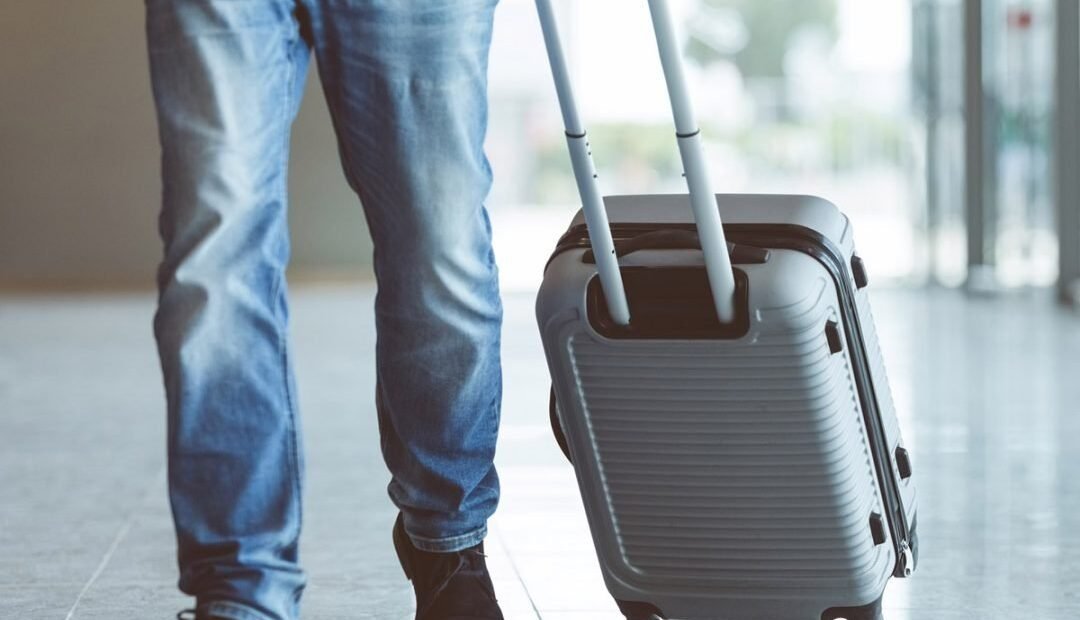
A frequent flyer’s carry-on is not a small suitcase; it is a tool, chosen the way a carpenter chooses a hammer — by weight, balance, and the certainty that it will still be working in ten years. The occasional traveler can forgive a bag almost anything. The person who flies twice a month cannot, because a carry-on’s flaws compound per flight: the wheel that wobbles in March is a shoulder injury by October, and the zipper that “usually holds” fails in the fourth city, not the first. So the right way to choose is to weigh the three designs honestly — hardside, softside, and the travel backpack — against what frequent flying actually does to luggage, and then pick within the design that wins for you.
The measurements that matter before brands enter it
Three specifications matter more than any logo. Size: the US domestic carry-on standard is 22 × 14 × 9 inches, and international limits are often smaller — 55 × 40 × 20 centimeters is a common European ceiling — so a bag bought for a lifetime of mixed flying should satisfy the stricter ruler; airline and alliance rules are summarized for travelers in IATA’s baggage guidance for passengers, and the sizer at the gate is the final authority either way. Weight: aim under seven pounds for a hardside and under six for a softside, because every pound of bag is a pound of allowance spent on the bag. Wheels and handles: spinner wheels that glide beside you beat two-wheel rollaboards in calm terminals and lose on rough streets; what matters more than the style is whether the wheels and the telescoping handle are replaceable, because those are the parts that die. A bag with replaceable wheels is a ten-year tool; a bag without them is a countdown.
Hardside: the pros and the cons
Pros. The shell protects contents from crushing and weather, stacks neatly, wipes clean, and usually carries the best-organized interiors — compression panels, divided halves, packing that behaves like a drawer system. Modern polycarbonate versions are lighter than their ancestors and shrug off the overhead-bin wars. Cons. The shell does not flex, so the bag that fit yesterday’s bin may not squeeze into today’s smaller one; there are no outside pockets, which frequent flyers feel every time they want the passport, the cable, or the snack without opening the whole bag in public; and when a hardside fails, it fails structurally — a cracked shell is the end of the bag, not a repair. Hardside wins for travelers whose trips are airport-taxi-hotel loops, who pack fragile or formal things, and who value how it looks rolling into a meeting.
Softside: the pros and the cons
Pros. Exterior pockets — the single most-loved feature in this entire comparison — plus a slight give that forgives overpacking and tight bins, lighter weight at the same size, and a long professional pedigree: this is the design airline crews overwhelmingly choose, which is the strongest field test in luggage. Quality softsides also tend to be the most repairable bags made, with replaceable wheels, handles, and zippers serviced for decades. Cons. Fabric stains and scuffs where a shell wipes clean, protection against crushing and rain is thinner, and the look is more “crew lounge” than “boardroom.” Softside wins for road-warrior itineraries with mixed transport, travelers who live out of the exterior pockets, and anyone who measures a bag’s value in years of service rather than photographs.
The travel backpack: the third verdict
Pros. Hands free, stairs and cobblestones irrelevant, no bin anxiety — a well-designed travel backpack passes as a personal item’s bigger sibling on some fares and swallows a week of clothes in a rectangle built for overheads. For multi-stop trips involving trains, ferries, and old towns, it is not close: wheels are a liability anywhere the ground is not an airport. Cons. Your back is the suspension system, twelve kilograms gets old by the third connection, formal clothes emerge with opinions, and it is the wrong silhouette for client-facing arrivals. The backpack wins for younger itineraries and rougher ground; it loses when the trip is a suit, a presentation, and a hotel shuttle. Many frequent flyers eventually run the two-bag system — a carry-on plus a serious personal item — and how to travel with only a personal item bag shows how much capability the second bag can carry when it is chosen deliberately.
The ten picks, by job
Away Carry-On — the all-rounder that made hardside mainstream: light, excellent wheels, well-organized interior. Monos Carry-On — the premium-feeling hardside, noted for quiet wheels and finish. Samsonite Freeform — the value hardside, often found under $150, light and durable enough for years of regular use. Briggs & Riley Baseline — the lifetime-warranty workhorse softside, priced like it and serviced like it. Travelpro Platinum Elite — the crew-choice softside, built by a company founded by a pilot. Eagle Creek Gear Warrior — the rugged option for trips that end on gravel. Osprey Farpoint 40 — the benchmark travel backpack, with a harness that carries like a real pack. Tortuga Travel Backpack — the backpack with a suitcase’s organization and a laptop-first design. Cotopaxi Allpa 35L — durable, distinctive, and laid out like a dresser. July Carry-On — a sleek hardside with unusually thoughtful internals. Prices move constantly across this list; the jobs do not.
Compressed into profiles, the list sorts itself. The weekly consultant — airports, taxis, one hotel, a suit that must arrive crisp — belongs in a structured hardside or a premium softside, spinner wheels, exterior access solved by a serious personal item. The field traveler — trains, small towns, stairs, weather — belongs in the rugged softside or a travel backpack, where wheels are optional and durability is the whole ballgame. The mixed leisure frequent flyer, the hardest to fit, is best served by the value-to-midrange hardside with replaceable wheels, because their bag must survive both the bin wars and the beach-town pavement without costing like a consultancy tool. Notice what none of the profiles optimizes for: looking impressive in the terminal. The terminal is forty minutes. The bag is a decade.
Spinner versus two wheels: the rolling question
No luggage argument survives contact with frequent flyers like the wheel debate, so here it is settled by terrain. Four-wheel spinners glide upright beside you with almost no wrist effort, turn on the spot in a packed aisle, and are the obvious choice for the airport-hotel-pavement circuit — which is why they dominate business travel. Two-wheel rollaboards trail behind at an angle, hold slightly more inside the same outer dimensions (the wheels sit inboard), roll better over curbs, cobblestones, and carpet, and their wheels are the simplest in the industry to replace. The honest summary: spinners win in terminals, two-wheels win in streets, and the deciding question is what your trips look like between the airport door and the hotel door. Either way, test the pull on carpet before buying — a handle that flexes and wheels that chatter in the shop will be unbearable by flight fifty, because luggage flaws, like interest, compound.
What frequent flyers actually regret
Ask road warriors about their luggage history and the regrets form a pattern worth more than any single pick. Buying for the home airline’s generous limit and then meeting a European carrier’s smaller sizer, weekly. Choosing the beautiful bag with no exterior pocket and spending two years opening it fully to reach a charging cable. The proprietary-wheel bag whose replacement wheels were discontinued before the bag was. The battery-equipped smart bag whose battery had to be removed, then was not allowed back, until the feature quietly died across the industry. And the most common regret of all: buying the bag for the traveler they intended to become — the one who packs light and travels rough — instead of the one who actually flies to client sites with a laptop, a change of shoes, and a blazer that must not crease. The ten picks above contain a bag for nearly every real pattern of travel. The discipline is choosing by your pattern, not your aspiration.
Buying strategy and care
Buy on sale without guilt: this category discounts heavily and often, with thirty to forty percent off appearing regularly across the major brands, so set an alert on your chosen model and let the calendar work. Whichever bag you buy, learn its two repairs on day one: how its wheels come off (a five-dollar wheel replacement beats a three-hundred-dollar new bag, and beats it every year for a decade) and where its warranty service actually happens. Then run one discipline forever: never check a carry-on you cannot afford to have destroyed, keep the bag’s weight honest by weighing it packed once a season, and retire it when the handle starts to flex, because handles fail in stations, not at home. Amortized over hundreds of flights, even the five-hundred-dollar bag costs pennies per trip. The expensive bag is always the cheap one bought three times in five years.



1 Comment