
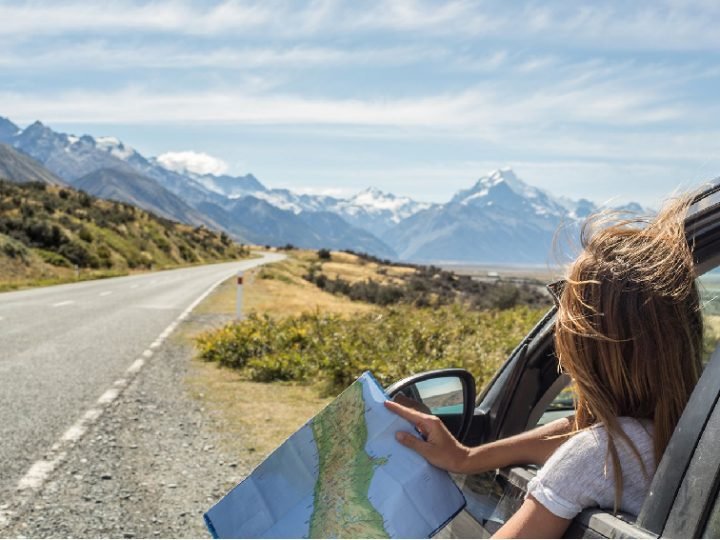
My first time driving abroad was in rural Ireland, on the left side of a road barely wider than my car, with a stick shift I had not touched in a decade and sheep as traffic. I survived, and it was wonderful, but I made every avoidable mistake first. Consider this the briefing I wish someone had given me.
What you should know before driving in another country falls into four buckets: paperwork, insurance, road rules, and the unwritten stuff that actually determines whether you enjoy it.
What Should I Know Before Driving in Another Country?
Paperwork first, because it can end your trip before it starts. Many countries require an International Driving Permit alongside your regular license; it is a simple translation booklet you get from AAA in the US for about $20 plus photos, valid for a year. Some countries accept your US license alone, but rental agencies in places like Japan, Italy, and Spain routinely demand the IDP, and driving without required documents can void your insurance. Check the specific country’s requirements on official government travel pages, not travel blogs, because rules change.
Insurance is the part people dangerously skim. Your US auto policy almost never covers you abroad, and your credit card’s rental coverage often excludes entire countries (Ireland, Italy, Israel, and Jamaica are commonly excluded). Read your card’s actual benefits guide for the country list. When in doubt, buy the rental company’s full coverage; it is expensive, often $20 to $40 per day, but a fender-bender in a foreign country without coverage is a nightmare of paperwork, language barriers, and withheld deposits. Photograph the car from every angle at pickup, including the wheels and windshield, with timestamps.
- Get the International Driving Permit before you leave. AAA issues them in about 15 minutes for $20. Do not discover you need one at a foreign rental counter.
- Learn the side of the road and the big rule differences. Left-side driving countries, roundabout etiquette, right-on-red legality (illegal in most of Europe), and speed limits in km/h catch Americans constantly.
- Download offline maps for the whole region. Rural coverage is unreliable everywhere. Download Google Maps offline areas and consider a paper backup for remote regions.
- Understand toll systems in advance. Many countries use electronic tolls, vignette stickers, or app payments with no cash option. Research your route’s tolls before you drive it.
- Know the fuel situation. Diesel versus petrol mistakes destroy engines. Learn the local words, note which side your tank is on, and never let the tank drop below a quarter in rural areas.
- Photograph everything at pickup and return. Every scratch, every wheel, the fuel gauge, the mileage. Timestamped photos are your deposit’s bodyguard.
- Learn five driving phrases in the local language. Police, help, gas station, hospital, and I need a mechanic. You will probably never use them, which is the point of preparing them.
The unwritten stuff matters most. In many countries, the left lane is sacred for passing only, tailgating norms differ, and rural roads follow etiquette your driver’s ed never covered. Drive your first hour in daylight on easy roads before attempting anything ambitious. And what to know before driving in another country includes this: fatigue kills. Jet-lagged driving is impaired driving. Do not pick up the rental car and immediately drive three hours.
Country-Specific Gotchas Worth Knowing
A few classics: the UK and Ireland drive on the left with narrow rural roads and abundant roundabouts. Italy has limited-traffic zones (ZTL) in historic centers where cameras fine you automatically, often months later through the rental company. Germany’s autobahn has unrestricted sections but strict rules everywhere else. Japan requires the IDP and drives on the left. In much of Latin America and Africa, road conditions, livestock, and unmarked hazards demand daylight-only driving. Research your specific country’s quirks; generic advice misses the fines that actually get tourists.
Speed cameras are the great equalizer. Many countries enforce speed with cameras rather than police stops, and tickets follow you home via the rental agency plus an administrative fee. The speed limit is the speed limit, even when locals seem to disagree.
Quick Answers to Common Questions
Do I need an International Driving Permit?
It depends on the country. Many require it by law, and rental agencies in Japan, Italy, Spain, and others routinely demand it. At $20 from AAA, get one before any driving trip abroad; it is cheap insurance against bureaucratic disaster.
Will my credit card cover rental car insurance abroad?
Sometimes, with major exclusions. Many cards exclude Ireland, Italy, Israel, Jamaica, and other countries entirely. Read your card’s benefits guide for the specific country before declining the rental company’s coverage.
Is it hard to drive on the left side?
It is disorienting for about a day, then it clicks. The hardest moments are turns at intersections and roundabouts. Rent an automatic to remove one variable, and avoid driving tired on day one.
What if I get into an accident abroad?
Prioritize safety, call local emergency services, document everything with photos, contact the rental company immediately, and file a police report. Then call your travel insurance. Do not admit fault or sign anything you cannot read.
My Pre-Trip Checklist
- Get the IDP from AAA before departure. $20, 15 minutes, valid a year. Non-negotiable for many countries.
- Verify insurance coverage for your specific country. Read the card benefits guide, not the marketing page.
- Download offline maps for the region. Rural coverage fails everywhere. Be ready.
- Photograph the rental inside and out. Timestamped. Every panel, wheel, and the fuel gauge.
- Drive the first hour in daylight, rested. Jet-lagged night driving in a new country is asking for it.
What I Would Do Next
I now consider a rental car abroad one of travel’s great advantages. The bus goes where the tourists go; the car goes where the country actually is. The sheep in Ireland moved, eventually. The tiny roads led to the best pub lunch of my life. Do the paperwork, respect the rules, and drive.
What to know before driving in another country is mostly unglamorous: permits, insurance fine print, toll systems, and photographing the bumper. Handle the boring parts and the fun parts take care of themselves.
The world looks different through a windshield on the other side of the road. Go see it, prepared.
Related reading: How Do I Find Good Local Restaurants While Traveling.
Related reading: How Do I Keep Avocados from Turning Brown.
Related reading: How Can I Soundproof a Bedroom on a Budget.
For official guidance, check out the U.S. Department of State travel guidance and Amtrak route guides.



2 Comments