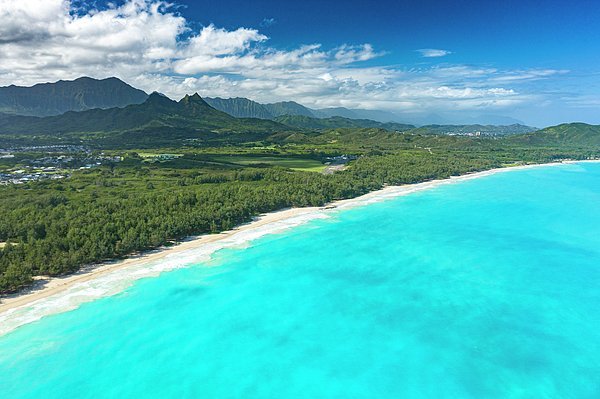
The same seven days in Hawaii, for the same two people, can cost about $3,500 or well over $12,000 — and the strange part is that both couples come home with photographs of the same beaches. The difference is not the islands. It is five decisions: when you fly, where you sleep, how you eat, how you move, and which activities you pay for. This guide prices the trip three ways — lean, comfortable, and splurge — category by category, so you can mix your own combination: splurge on the room and eat lean, or sleep cheap and spend the savings in the air on a helicopter. The middle column is where most couples land: a genuinely good trip, honestly priced, at roughly $5,500 to $7,000 for the week.
Flights: the first and largest lever
Airfare sets the floor of the whole budget. From the US West Coast, round trips in shoulder season typically run $400–$700 per person; from the East Coast, $700–$1,200. For two, that is $800 to $2,400 before anyone has seen a palm tree — which is why the booking details matter more than any other line. Book two to four months out for the best balance of price and choice. Fly midweek when you can; a Tuesday departure can be a couple of hundred dollars cheaper per ticket than the Friday version of the same trip. Consider flying into one island and out of another on a multi-island itinerary, since backtracking to your arrival airport wastes both a flight and a day. Set fare alerts early and treat the flight as a separate purchase decision from the hotel — the bundles are rarely the deal they advertise. Across all three budget tiers, this category barely changes: the splurge couple flies the same planes, just in wider seats.
Where you sleep: the widest spread in the budget
Lodging is where the three tiers truly separate. Budget travelers book condos at $150–$250 a night — often on the less-touristed islands or a few streets back from the beach — and gain a kitchen in the bargain, which attacks the food budget at the same time. The comfortable middle pays $250–$450 a night for a decent hotel, about $2,100 across seven nights at $300, and gets a pool, daily housekeeping, and a location that saves on driving. The splurge tier starts around $600 a night and runs past $1,200 for the famous beachfront names. Before paying any of it, read up on how to find affordable hotels in expensive cities — the tactics there (flexible dates, one street back from the prime strip, booking windows) apply to Honolulu and Maui with full force. And use the official Hawaii visitors’ site to sanity-check which island fits your trip before the room is booked: the cheapest hotel on the wrong island is not a saving.
Getting around: the car question
On most islands a rental car is close to essential — the exception is staying in Waikiki, where the beach, the restaurants, and the tour pickups are all walkable and parking is punishingly priced. Budget $60–$120 a day for the car, which lands around $500–$700 for the week once fees are in. Two money details are worth more than the daily rate: first, check whether your credit card already covers rental-car insurance, because declining the counter’s coverage can save something like $30 a day; second, book the car when you book the flights, since island rental fleets are finite and holiday weeks sell out at prices that make the hotel look restrained. The lean tier can skip the car entirely on Oahu by combining Waikiki’s density with one or two organized tour days; on Maui, Kauai, or the Big Island, the car is the trip.
Food: eat like the islands do
Plan $120–$200 a day for two at the comfortable level, built as a mix rather than a march of restaurants: grocery breakfasts (fruit, coffee, something baked), plate-lunch lunches at $12–$15 a plate — rice, mac salad, and a protein, the local staple that fills you properly — and restaurant dinners on some nights rather than all. The poke lesson captures the whole strategy: poke from a grocery counter at around $10 is routinely better than the $28 restaurant version, because the fish is the point and the markup is the room. The lean tier leans hard on the condo kitchen and lands near $60–$80 a day without feeling deprived; Hawaii’s raw ingredients are too good for home cooking to feel like a compromise. The splurge tier books the famous tasting menus and beachfront tables and should budget $300 a day and up — satisfying, memorable, and entirely optional, since almost nobody’s favorite Hawaii meal turns out to be the expensive one.
Activities: the free islands, plus chosen splurges
Budget $500–$1,000 for the week for two in paid activities at the middle level — and hold it loosely, because Hawaii’s best inventory is free: the beaches, the hikes at places like Diamond Head and Manoa Falls, and snorkeling from shore with rented gear at around $15 a day. Pay for the things only money can do. A well-reviewed luau runs roughly $120–$180 per person. A snorkel sail to a reef you cannot reach from shore is around $150 per person. A helicopter tour, especially over Kauai’s cliffs and valleys, is the genuine splurge at $250–$350 per person — and the one activity past visitors consistently describe without any buyer’s remorse. Book the paid items early in the trip rather than late; weather cancellations reschedule forward, and a luau booked for your last night has no second chance.
The three budgets, side by side
The lean week, about $3,500: shoulder-season flights from the West Coast, a condo with a kitchen, groceries and plate lunches with two restaurant dinners, no car on Oahu or a small one elsewhere, and activities chosen from the free list plus one paid day. The comfortable week, about $5,500–$7,000: mid-range hotel at roughly $300 a night, rental car for the week, mixed eating with several real dinners out, and $500–$1,000 of chosen activities. The splurge week, $12,000 and up: beachfront luxury, premium seats, private tours, spa days, and the famous restaurants — luxurious in every way except the beaches, which are identical. Counted as a daily burn rate, the middle trip runs roughly $700–$900 a day all-in once flights are spread across the week; the lean version can hold $450–$550.
The small leaks worth plugging
Three recurring charges inflate Hawaii budgets out of proportion to their size, and all three are avoidable. Resort fees — charged nightly at many hotels whether or not you touch the amenities they name — can add a meaningful percentage to a week’s room bill; price the room with the fee included before comparing, because the apparently cheaper hotel sometimes is not. Hotel parking in Waikiki and at the big resorts runs at big-city rates and multiplies quietly across seven nights, one more argument for the Waikiki-without-a-car plan. And airport and resort-zone convenience pricing — the $7 coffee, the $25 sunscreen — is best treated as a tax on arriving unprepared: one stop at a regular grocery store on the way from the airport defuses most of it for the whole week, sunscreen emphatically included, since island-marked-up sunscreen is practically a rite of passage you are allowed to skip.
A worked example: one couple, two price tags
Put the levers together and the spread stops being abstract. Consider a West Coast couple with a week on Maui in late April, comfortably handled: flights at $550 each booked three months out ($1,100), a well-kept hotel a street back from the beach at $310 a night ($2,170), a compact rental car for the week ($560 with fees, counter insurance declined on the card’s coverage), food at roughly $160 a day mixing condo-free groceries for breakfast, plate lunches, and four proper dinners ($1,120), plus a luau and a snorkel sail as the week’s two chosen splurges ($660 for two). The total lands near $5,600 — inside the comfortable band, with nothing about the week feeling rationed. Now move only the dates to the Christmas week and the room to the famous beachfront resort at $950 a night: flights climb to $1,050 each, the car doubles, and the same appetites in peak-week restaurants add a third. That couple spends close to $12,000 and stands in longer lines for the privilege. The islands, the water, and the sunsets declined to participate in either price.
The verdict
For most couples, the comfortable column is the honest answer to the question — and the levers, in order of power, are flight timing, the room, and the kitchen. Move any two of them one tier down and the trip drops by thousands while losing remarkably little, because Hawaii’s core product — the water, the light, the landscape — is the one thing nobody at any price gets a better version of. Decide which single category carries your splurge, hold the rest at the middle, and the week will feel expensive in exactly the places you chose.