You are locked out at midnight, your phone is at 4 percent, and the locksmith who quoted $29 on the phone is now standing at your door asking for $290. He wants cash. He has no marked van, no invoice, and a drill already in his hand. That moment, tired and under pressure with a dying phone, is exactly where most locksmith overcharges happen. The traps come first in a lockout, long before the lock itself does.
The Traps That Set the Price Before Any Work Starts
The first trap is the bait quote. A price like $15 or $29 for a lockout, advertised online or given quickly on the phone, is rarely the full price. It usually covers only one slice of the bill, or nothing real at all. The full charge arrives at the door, after you have waited, after the other options feel closed off. Consumer Reports has warned for years about this pattern, in which a low phone quote turns into a demand for $300 on the spot. If a quote sounds far below every other price you have seen, treat it as a warning sign rather than a bargain.
The second trap is accepting a partial quote without asking what it leaves out. A proper locksmith bill has three parts: a service call or trip fee for getting a technician to you, labor for the work itself, and parts or hardware when a new lock or key is involved. A quoted $50 lockout that quietly excludes a $75 trip fee is not a $50 lockout. Ask, on the phone, whether the number you were given includes all three parts, plus any after-hours charge. A clear answer costs nothing. A vague answer tells you to call someone else.
The third trap is letting urgency erase normal checks. A van with no company markings, a technician with no ID or business card, and a company name at the door that does not match the name you called are all reasons to stop. So is an immediate push to drill the lock. Skilled locksmiths can open most standard locks without destroying them. Drilling as the first suggestion often means a larger bill for replacement hardware on top of the opening fee.
The fourth trap is paying in cash with no paper trail. Cash leaves you with no way to dispute a charge that ballooned at the door. Pay by credit card, get a receipt, and keep it. Card payment will not stop a bad operator from trying, but it gives you a route to challenge the charge afterward, and honest businesses expect to provide a receipt as a matter of course.
The fifth trap is calling the first listing you find in a panic. Fake local listings that route to out-of-state call centers are a documented problem, and the Federal Trade Commission has warned consumers about them directly. A listing can claim a neighborhood address and still send whoever is available, at whatever price that person decides to charge. Searching in a hurry, at midnight, with a low battery, is the worst possible time to judge any of that.
What a Fair Bill Actually Looks Like
With the traps named, the normal price range is easier to judge. Most homeowners pay $75 to $200 for a standard locksmith visit. A house lockout typically runs $65 to $185 during normal hours. A car lockout runs $60 to $150. The service call or trip fee on its own is usually $30 to $100, and it may or may not be folded into the job price, which is why the all-in number matters more than any single line.
Planned work is cheaper and easier to compare. Rekeying a lock costs $20 to $50 per lock. Installing or changing a residential lock runs $100 to $200 per lock, with hardware often extra. A high-security lock install runs $150 to $350 or more per lock. A smart lock install runs $150 to $300 or more per lock. Replacing every lock in a house, typically four to six locks, totals about $500 to $1,200 including hardware.
Car work splits sharply by key type. A basic car key runs $90 to $180. A transponder key runs $120 to $250 or more. A smart or proximity key for push-to-start cars runs $150 to $350 or more, because modern keys are small computers that need programming, not plain cut metal. A dealership often charges more than a locksmith for the same key. Extracting a broken key from a lock runs $75 to $150.
Keep those ranges in your phone. A quote inside the range, explained clearly, is ordinary business. A quote far outside it needs a reason you can understand before work starts. The same habit of checking the full installed cost before you commit applies at home more broadly, whether the job is locks or weighing what a home security camera system really costs once equipment and fitting are counted together.
The Five Factors That Move a Quote Up or Down
Time of day is the largest single swing. A lockout at 2 p.m. might cost $80. The same job at 2 a.m. can run $150 to $250 once the emergency premium of $50 to $150 is added. Weekends and holidays sit at the higher end as well. Nothing about the lock changed. Only the hour did.
Lock type comes next. A standard deadbolt is quick, familiar work. High-security cylinders, smart locks, and commercial-grade hardware take longer, need more care, and cost more in both labor and parts. A cheap lock and an electronic lock are not the same job, and they should not carry the same price.
Location matters in two directions. Urban locksmiths tend to charge more than rural ones, and a long drive to reach you can appear as a higher trip fee. At the same time, dense cities have more competing businesses, which can help on scheduled, non-emergency work where you have time to compare.
The car-versus-home split is the fourth factor. House locks are mostly mechanical. Car keys now involve chips, programming, and vehicle electronics, which is why a basic copy and a programmed smart key sit hundreds of dollars apart even though both fit in a pocket.
Emergency versus scheduled work is the fifth factor, and it overlaps with time of day without being identical to it. Anything that has to happen right now costs more than the same job booked for next Tuesday. A lock change planned after a move can be quoted, compared, and scheduled in daylight. A midnight lockout cannot, and the price reflects that.
The Correct Way to Hire, Step by Step in Plain Terms
Start before there is an emergency. Find a reputable local locksmith while you are calm, check that the business has a real local presence, and save the number in your phone. The Better Business Bureau recommends exactly that preparation. Five minutes of calm research beats twenty minutes of stressed searching outside a locked door.
On the call, name the job plainly: house or car, type of lock if you know it, and whether anyone is at risk inside. Then ask for the total price including the service call, labor, and any parts, and ask whether an after-hours charge applies. Get that total in writing by text or email before the technician sets off. A business that will not put a number in writing has told you something important.
On arrival, check the basics before any tool comes out. The vehicle and the technician should match the business you called. Ask to see identification. Confirm the price again, out loud, before work begins. If the price has changed sharply from the written quote with no clear reason tied to the lock in front of you, you can refuse the work and pay at most a stated call-out fee rather than the inflated job price.
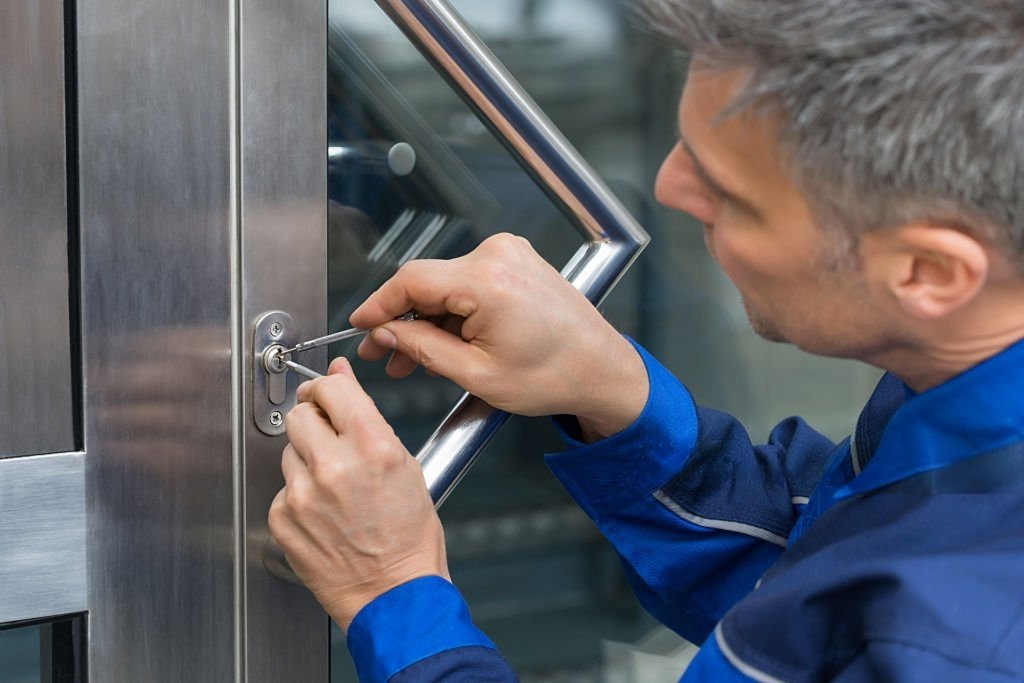
During the job, expect picking or another non-destructive entry method first on a standard lock. Ask why drilling is needed before agreeing to it, since drilling usually means paying for a replacement lock as well. When the work is done, pay by card, get an itemized receipt, and keep it with your household records.
For broader questions about charges, cards, and disputes, the Consumer Financial Protection Bureau’s consumer guidance is a solid public starting point for understanding your rights as a payer, separate from any single trade.
Choices That Lower the Bill Next Time
Rekey instead of replacing after a move. Rekeying at $20 to $50 per lock makes the old keys stop working and gives you a fresh set, at a fraction of the $100 to $200 per lock for new hardware. Replacement makes sense when locks are worn, damaged, or poor quality. When the hardware is sound, rekeying does the security job for far less.
Move non-urgent work into business hours. Skipping the $50 to $150 emergency premium is the single easiest saving available, and it requires only patience when patience is safe. Get two or three quotes for a full-house lock change, since scheduled work gives you the time to compare properly.
Prevent the lockout itself where you can. A spare key held by someone you trust is the cheapest protection there is. Check whether a roadside assistance plan you already hold includes car lockout service, since many auto plans do, and a covered call costs you nothing extra at the door.
Licensing deserves a final note. About fifteen states require locksmith licensing, so the legal position depends on where you live. Even where no license is required, look for credentials from the Associated Locksmiths of America and proper insurance. A fair visit costs $75 to $200. A scam visit costs whatever a tired person at midnight can be pressured into paying. Preparation, a written total, and a card payment are what keep you in the first group.