
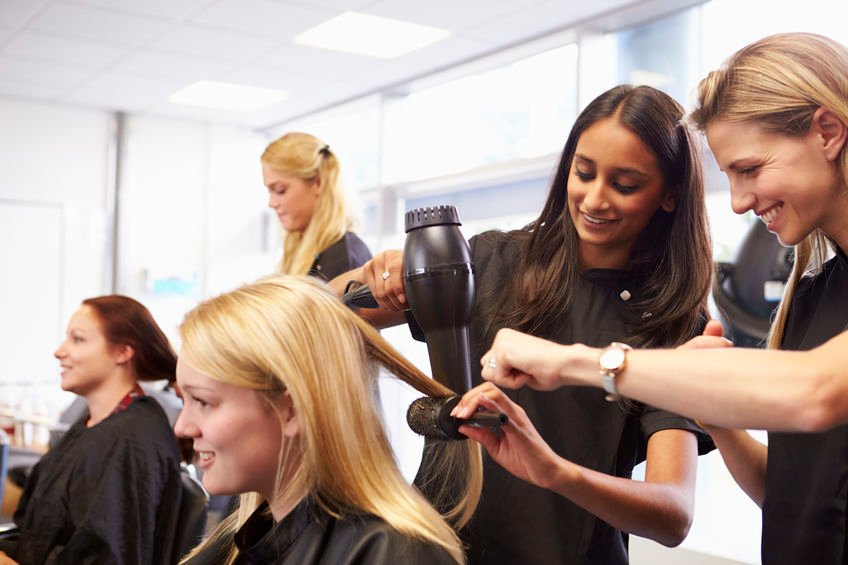
The same cosmetology license can cost $6,000 at one school and $20,000 at another, in the same state, for the same exam at the end. That gap looks like luck or branding from the outside. Up close it is a checklist: a short set of line items and choices that add up to the total, and every one of them can be checked before you enroll, tour a campus, or sign a payment plan.
The Checklist Up Front: Price Any School in Ten Minutes
- Tuition for the full program: get the full-program figure, not a per-month or per-term figure. The typical range is $5,000 to $20,000, with an average near $14,500.
- All-in total: tuition plus kit, books, fees, and licensing. The all-in national average sits near $16,250, according to Milady, the industry’s leading textbook publisher.
- Student kit cost and contents: about $1,700 on average, but the range runs $1,000 to $3,500. Ask what is actually inside the box.
- Application and school fees: often $25 to $100, sometimes charged separately from tuition.
- Licensing costs after graduation: $100 to $300 total for the written exam, practical exam, and license application, depending on the state.
- Required hours and program length: about 1,375 hours and 11 months full time on average. States set the minimum, and more required hours usually means a higher price.
- School type: community college, private academy, or brand-name school. The same license can sit at very different prices across the three.
- Accreditation and aid eligibility: accredited schools can offer federal aid. Unaccredited schools usually cannot, whatever the brochure implies.
- Board pass rate: ask for it directly. A cheap program whose graduates struggle to pass the state boards is not cheap in any useful sense.
- Payment terms: monthly plans, interest, and what happens to your balance if you withdraw partway through.
Run any two schools through those ten lines and the price gap stops being a mystery. Most of it will sit in three places: tuition level, kit cost, and school type. The detail below works through each part of the checklist so you know what a fair figure looks like and where schools legitimately differ.
Tuition: The Largest Line, and the Widest Range
Tuition alone typically runs $5,000 to $20,000 for the full program, with most students landing somewhere in the middle and an average near $14,500. That spread is not random. A program in Manhattan can run $20,000 or more, while a comparable program in the Midwest might cost $8,000 to $12,000. Rent, wages, and local demand sit inside the tuition figure whether the school names them or not.
State rules sit inside it too. Your state sets the minimum training hours for licensure, and a state requiring 1,500 hours will produce longer, costlier programs than a state requiring 1,000 hours. The extra hours are not padding. They are classroom and clinic time the school must staff and you must attend, so the price difference follows the hour difference in a fairly direct way.
For scale, the all-in average near $16,250 is roughly a quarter of the average cost of a four-year college degree, and the program finishes in under a year rather than four. That comparison does not make $16,250 small. It does explain why cosmetology draws career changers who need a licensed trade without four years out of the workforce, a decision worth weighing in the same terms as whether going back to school is worth it for a career change at any age.
Kit, Books, and Fees: The Costs Brochures Shrink
The student kit averages about $1,700 and usually includes professional shears, a blow dryer, curling and flat irons, combs, brushes, clips, capes, perm rods, mannequin heads, and textbooks or a tablet loaded with e-learning materials. You keep the tools after graduation, so kit quality matters beyond school. Good shears and a solid dryer move with you into a first salon job. Worn or toy-grade tools do not.
Kit pricing varies more than most applicants expect, from about $1,000 to $3,500, and a difference of $3,000 or more between two schools is entirely possible. On a tour, ask whether the kit is bundled into the quoted total or billed separately, ask for the contents list in writing, and compare brand names on the main tools. Two kits at the same price can hold very different equipment.
Smaller fees add up at the edges. Application fees of $25 to $100 are sometimes separate from tuition. Licensing fees are paid to your state board after graduation, covering a written exam and a practical exam, typically $100 to $300 total depending on the state. Most schools include state board preparation inside the curriculum, so exam prep itself should not arrive as a surprise extra.
School Type and Program Shape: Where the Big Gap Lives
Community college programs are often the cheapest accredited route, at $5,000 to $10,000. Big-name private academies, such as Paul Mitchell schools, typically charge $18,000 to $20,000. The higher price often buys brand recognition, newer facilities, and a job placement network. Whether those extras are worth double the tuition depends on your local salon market and how much hiring in your area runs on school reputation.
Program specialty changes the price as well. A full cosmetology license covering hair, skin, and nails costs more than a standalone esthetics or nail technician program, which can run $5,000 to $10,000 for fewer hours. A narrower license is not a lesser choice. If you plan to work only in skincare or nails, paying for full hair training you will never sell is money spent on hours you did not need.
Schedule shape changes the timing more than the total. Part-time programs stretch similar tuition over more months. Full-time students finish in about 11 months on average. Part-time students typically take 15 to 24 months. The tuition gap between the two routes is often small. The earnings gap is not, because every extra month in school is a month before licensed work begins. Full-time programs run 30 to 40 hours a week, so paid work alongside one is realistically limited to evenings and weekends, while part-time schedules leave more room to keep a job during training.
Paying for It: Aid Comes Before Sticker Price
A common and costly assumption is that beauty school means paying cash in full. At an accredited school, several routes can cut the amount you pay out of pocket. Federal Pell Grants are need-based grants that do not need to be repaid, and many cosmetology students qualify for at least partial coverage. Federal student loans, both subsidized and unsubsidized Direct Loans, are available through the FAFSA with better terms than most private loans. Scholarships exist that are specific to cosmetology, through professional associations and through schools themselves. Many schools also offer interest-free monthly payment plans that split tuition across the enrollment period. Veterans benefits and state workforce grants can cover trade school tuition as well.
The order of operations matters. File the FAFSA first, before deciding what you can afford, because schools use it to work out federal aid and many state and school grants key off it as well. For the official starting point, use Federal Student Aid’s official guidance on paying for school rather than a lender’s marketing page. Then compare the net price each school offers you after aid, not the sticker prices side by side. A $19,000 school with strong aid can cost a given student less than a $12,000 school with none.
The Payoff Side of the Ledger
Cost only makes sense against earnings. The Bureau of Labor Statistics reports median pay for barbers, hairstylists, and cosmetologists around $35,000 to $36,000 per year nationally. Top earners, including salon owners, high-end colorists, and platform artists, make $70,000 or more. Many graduates are working and earning within a year of starting school, which shortens the time between paying tuition and seeing a return on it.
Three features improve the return in practice. The barrier to self-employment is low, through booth rental or suite ownership, so a graduate is not limited to a single employer’s pay scale. Tip income sits on top of service revenue. Premium specialties, such as extensions, command higher prices for stylists certified to offer them. None of that turns a weak school into a good buy. It does mean the checklist should weigh pass rates and real skill training as heavily as tuition, because the license only pays once you can pass the exam and hold a chair.
Two checklist lines deserve a second look before you sign anything. Clinic floor time is part of what tuition buys: real clients, real services, and supervised practice that a classroom alone cannot give, so ask how many hours of the program happen on the clinic floor rather than in a lecture seat. Board preparation is the other line. Most schools fold exam preparation into the curriculum, and the pass rate tells you how well that preparation works. A school that will not state its pass rate plainly is asking you to pay full price for an unknown result.
So price every school the same way: full tuition, kit contents and cost, fees, licensing, required hours, school type, accreditation, pass rate, and payment terms, then the net price after aid. The $6,000 school and the $20,000 school are selling the same license. The checklist tells you what, if anything, the extra $14,000 actually buys.




1 Comment