Caribbean cruises have a documentation trap: the ‘closed-loop’ rule makes many Americans think they don’t need a passport — technically true, practically risky. I’ve watched a fellow passenger miss the ship’s departure from a port and face a nightmare getting home without one. Don’t be that passenger. Sorting out the “documents needed for a Caribbean cruise” taught me about the name-match problem — the issue that strands more cruisers than storms do.
What documents you need for a Caribbean cruise depends on your itinerary, your citizenship, and your risk tolerance. Here’s the complete, no-confusion breakdown — including why ‘technically not required’ isn’t the same as ‘fine without.’
When in doubt: bring the passport. It’s the universal answer.
The Passport Question (and the Closed-Loop Exception)
US citizens on ‘closed-loop’ cruises (departing and returning to the same US port) can technically sail with a government-issued photo ID plus proof of citizenship (birth certificate) — no passport required. This is the rule that gets people in trouble, because ‘technically allowed to board’ isn’t ‘adequately documented for everything that can happen.’
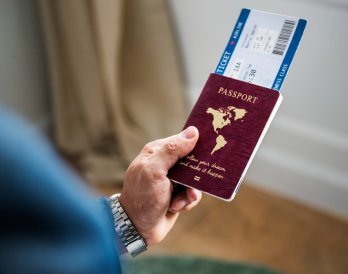
Here’s why you should bring a passport anyway: if you miss the ship at a foreign port, need emergency medical evacuation, or have to fly home unexpectedly, you need a passport to fly internationally — and getting an emergency one abroad takes days you don’t have. A passport is also simply faster at every checkpoint. The $130 passport fee amortized over ten years of travel is the cheapest insurance you’ll ever buy. The US State Department recommends passports for all international travel, closed-loop cruises included.
Passport cards ($65) are a middle option — valid for sea and land crossings in the Caribbean, but not for international flights. Better than nothing, worse than the book. If you’re applying fresh, get the book; the card’s limitations show up exactly in emergencies. Check expiration: many Caribbean nations require 6 months’ validity beyond travel dates — verify per port on the State Department site.
What Else to Bring: IDs, Visas, and Cruise Paperwork
Beyond the passport: a government photo ID (driver’s license) for port re-boarding — most Caribbean ports require your cruise card plus photo ID to get back through the port area. Travel insurance documents (see our travel insurance guide — for cruises, it’s strongly recommended; missed-port and medical evacuation scenarios are exactly what it’s for). Prescription documentation and a doctor’s note for controlled medications.
Visas: US citizens don’t need visas for most Caribbean cruise ports (Bahamas, Jamaica, Cozumel, St. Thomas, etc.) for short tourist visits. Exceptions exist for certain itineraries touching South America or specific islands — verify each port on your itinerary against State Department guidance, especially if you’re a non-US citizen (visa requirements vary enormously by nationality — check every port).
Cruise-line paperwork: complete online check-in before sailing (boarding passes, health questionnaires), print or save luggage tags, and bring the credit card you want on file for onboard expenses. Minors traveling with one parent or non-parents need notarized consent letters — cruise lines enforce this strictly. If anyone in your party has a different last name, bring supporting documents (marriage certificate, custody papers).
Port Days, Emergencies, and Practical Tips
Port day protocol: carry your cruise card, photo ID, a photocopy of your passport’s data page, some local currency, and the ship’s port agent contact info (provided daily in the ship newsletter). Leave the actual passport in the cabin safe — the copy suffices for 99 percent of port situations, and a lost passport ashore is a catastrophe. Note the all-aboard time in ship time (which may differ from local time) — missing the ship is the classic Caribbean cruise disaster.
If you do miss the ship: contact the port agent immediately (that’s what they’re for), and you’ll need your passport to fly to the next port or home — this is the scenario the closed-loop gamblers fear. Travel insurance with missed-port coverage pays for the catch-up flights and hotels. Without it, you’re funding an international scramble out of pocket.
Photograph all documents and store them in cloud storage plus a travel companion’s phone — redundancy is free. And check entry requirements 30 days out, not the week before: State Department pages update, and some islands have specific health or customs forms (many now digital, completable pre-arrival). For general international document prep, our currency and prep guides cover the money side.
Documents Needed for a Caribbean Cruise: The Name-Match Problem
The name-match problem: every document must show the same name, and real life is messier than that. Recently married? Divorced? Booked under a nickname? The cruise line, the airline, and the passport office all need to agree on who you are. The rule: the name on the cruise reservation must match the photo ID exactly. If your passport says ‘Elizabeth’ and you booked as ‘Liz,’ fix the booking — don’t hope the agent is lenient. Bring supporting documents for any discrepancy: marriage certificate, divorce decree, court name-change order. This is the most common boarding-day disaster, and it’s entirely preventable with a 10-minute document audit a month before sailing.
Photograph everything and distribute the copies: your phone, your travel companion’s phone, cloud storage, and a paper set in a separate bag. If documents are lost or stolen mid-trip, the copies get you through every checkpoint while replacements are arranged. And keep the cruise line’s emergency travel number (not the sales number — the travel-emergency line, found in your booking documents) saved in your phone. If you miss the ship or face a medical emergency in port, that number is your lifeline. The documents get you on the ship; the backups get you home if anything goes sideways.
Caribbean Cruise Document Checklist
- Passport book (valid 6+ months beyond travel) — strongly recommended
- Government photo ID for port re-boarding
- Photocopy of passport data page (carry ashore)
- Travel insurance documents
- Cruise boarding passes + completed online check-in
- Luggage tags (printed or saved)
- Credit card for onboard account
- Prescription docs + doctor’s notes
- Notarized consent letters for minors traveling without both parents
- Supporting docs for name differences
- Ship’s port agent info (from daily newsletter)
- Cloud + companion backups of everything
Document Once, Relax Always
An hour of document prep before you sail buys a week of total relaxation — no checkpoint anxiety, no emergency scrambles, no ‘I wish I’d brought it.’ The Caribbean is for rum drinks and sunsets, not paperwork panic.
Get the passport, copy everything twice, and board knowing you’re covered. Then go watch the ocean. That’s what the documents are for — making sure nothing interrupts the paradise.