You have just landed. You are tired, your phone is at nineteen percent, and directly ahead a taxi queue is promising to solve everything for seventy dollars. Almost everything about that offer is a tax on the moment: the cheapest way from the airport to downtown is almost never the taxi, and in most great cities it is a train or a bus costing under ten dollars — sometimes under three — that leaves from the same terminal. The gap between the two is not a secret and it is not luck. It is five minutes of research done before landing, plus the discipline to walk past the queue. What follows is the method: the hierarchy of options in order, the routine that finds your option in any city, and a cheat sheet for the airports travelers ask about most.
The hierarchy, cheapest to priciest
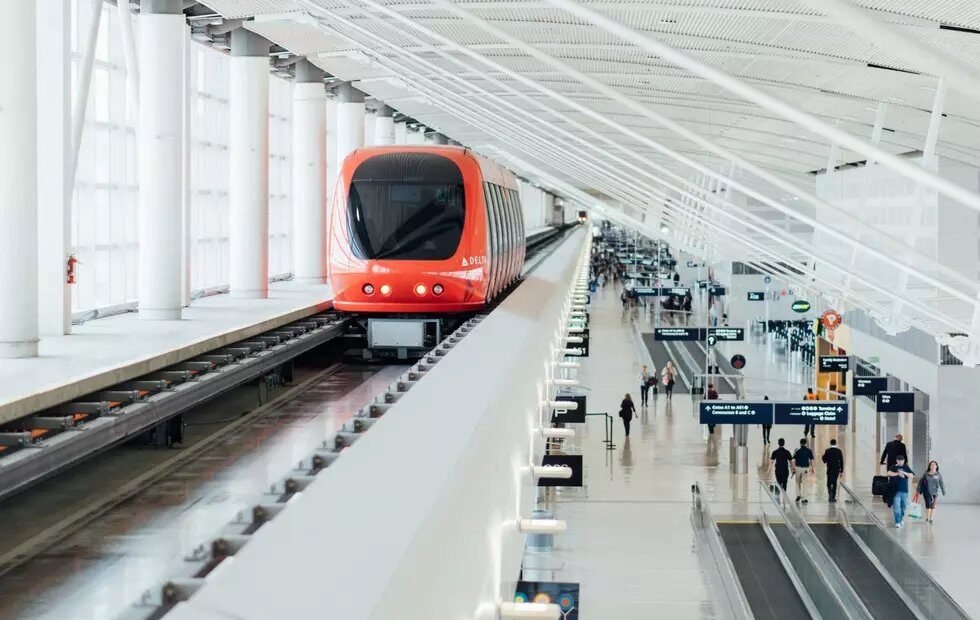
Tier one: airport trains and metro, $3–$10. The gold standard, and the answer most of the time. Rail links are fast because they ignore traffic, cheap because they are public, and easy because airports signpost them like they matter. Always check for a direct rail link first. Tier two: public buses, $2–$8. Slower, sometimes much slower, but the cheapest wheels in town where trains do not reach, and occasionally — where a free shuttle bus connects the airport to the subway — close to free. Tier three: shared shuttles, $15–$30. Door-to-door vans that trade time for convenience; the category has thinned since its heyday, but it survives in many cities, and it includes the best deal of all when it applies: the free hotel shuttle, which exists at more properties than guests realize — ask when booking, not at the curb. Tier four: rideshare, $25–$60. Usually beats taxis on price and transparency, with one trap: surge pricing at peak arrival banks can erase the advantage in minutes, so price both apps and compare against the taxi line before committing. Tier five: taxis, $40–$80 and up. The convenience premium. Sometimes worth it — the last section covers when — but it should be a decision, never a default.
Before moving on, do the annual arithmetic once, because it changes how the hierarchy feels. A traveler who flies six times a year and defaults to taxis spends something like $350–$450 a year on airport transfers into city centers. The same traveler, on the trains those cities provide, spends $40–$70. The difference is a modest hotel night, a very good dinner for two, or most of a cheap flight — purchased entirely with knowledge, repeated quietly, at the least glamorous moment of every trip. Frequent travelers are not rich in tricks; they are rich in defaults, and this is one of the defaults doing real work.
The five-minute routine, in order
Run this on the plane or the night before, in this order, for any city on earth. One: search for the airport’s official “to and from” page and find the rail or metro link; note the line name, the fare, and the last departure time. JFK’s official AirTrain guide is the model of what these pages should tell you. Two: if no rail exists, find the public bus or the airport’s own shuttle list, and check whether your hotel runs a free one. Three: price the rideshare trip at your actual arrival time — not the time you are researching — because surge lives at arrival banks. Four: note the official taxi arrangement (flat rate or meter, and where the licensed rank is) as the fallback, so the fallback is a plan rather than a surrender. Five: screenshot everything. Airport Wi-Fi and roaming data fail exactly when needed, and the plan you cannot load is trivia. Five minutes, four options priced, one decision made while seated and calm instead of standing and tired.
The cheat sheet: airports travelers actually ask about
New York JFK to Manhattan: AirTrain ($8.50) plus the subway ($2.90) is about $11.50 and roughly an hour; the taxi flat rate is $52 before tip and tolls, call it $70 all-in. If your weekend budget is already mapped by how much spending money for a weekend in New York, this one choice is worth a good dinner. LaGuardia: the free Q70 bus connects to the subway, making the whole trip $2.90 — the finest airport deal in America. Newark: the NJ Transit train to Penn Station runs about $15.75. London Heathrow to central London: the Tube at roughly $7–$8 takes about fifty minutes; the Elizabeth line costs more (around $14) and does it in about thirty; the Heathrow Express, at $30-plus, is the tourist trap — genuinely fast, triple the sensible price, and the correct answer for almost nobody. Chicago O’Hare: the Blue Line is $5 and about forty-five minutes against a taxi at $50-plus through traffic it cannot escape either. San Francisco: BART reaches downtown for about $10 in half an hour. The pattern repeats worldwide: the train is the answer in a large majority of major cities, and the taxi’s premium buys door-to-door, not time.
Reading the airport like a local
The plan only works if you can execute it tired, so three execution details matter. First, the unofficial taxi offer inside the terminal — the friendly person with a sign, a story, and a car “just outside” — is the one option worse than the official queue: unlicensed, unmetered, and priced by what you look like you can pay. The licensed rank is outside, marked, and boring, and boring is the goal. Second, buy transit tickets from machines or the official app, and where the system uses validation — many European regional trains and buses do — stamp or activate the ticket as locals do, because an unvalidated ticket is treated as no ticket and the fine costs more than the taxi would have. Third, follow the signs for the train rather than the crowd for the taxis: airports are designed to monetize your fatigue, and the rail station is frequently one escalator below the arrivals hall, closer than the taxi line it undercuts. Travelers who expect these three details stop experiencing airports as ambushes and start experiencing them as systems — which, at that point, they are.
The return trip, and the early-morning problem
Everything above applies in reverse with one wrinkle: departure times are crueler than arrival times. A 6 a.m. flight means leaving the hotel at an hour when the metro may not yet be running, and discovering that at 3:40 a.m. is a special kind of travel misery. Check the first train against your flight the night before, not the morning of; where the first departure is too late, the night bus network, a pre-booked shared shuttle, or the one justified taxi of the trip takes the slot, booked before you sleep rather than hailed in hope. Arriving back at the airport also has a small discipline: the train that was charming on arrival runs to a timetable, so build the same buffer you would for the flight itself. The money logic survives the direction change intact — the return leg is where disciplined travelers actually bank the saving, since arrival-day resolve often melts but departure-day plans, made the night before, tend to hold.
The group math that flips the answer
Every figure above is per person, and rides and taxis are priced per vehicle — which means group size quietly rewires the whole hierarchy. Four travelers facing a $60 rideshare are looking at $15 each, against four rail fares of $10 plus the walk at the far end with everyone’s luggage. Add rain, a late arrival, or a hotel that is not near a station, and the car wins honestly. Run the division before applying the hierarchy: solo travelers and couples almost always belong on the train; groups of three and four should price the car seriously; and any group with a member who cannot manage stairs, crowds, or a long platform changes the answer on grounds no fare table captures.
When paying more is the right call
The hierarchy is a default, not a religion, and four situations legitimately break it. Arrivals after midnight, when transit runs skeletal schedules or stops and the walk from the station is through empty streets. Small children with car seats and the full logistics train of family travel, where one vehicle swallowing everything is worth real money. Oversized or heavy luggage beyond what you can carry up a flight of station stairs without hating the trip’s first hour. And the first night of a trip where you are profoundly unwell or arriving somewhere genuinely unfamiliar in the dark. In those cases take the taxi or the car, take it from the official rank or the app, agree or confirm the price basis before the wheels move — and take the train for the rest of the trip, starting with the ride back to the airport, when you are rested, oriented, and wise. Five minutes of planning, fifty dollars saved, nearly every trip you will ever take: it remains the best exchange rate in travel.