
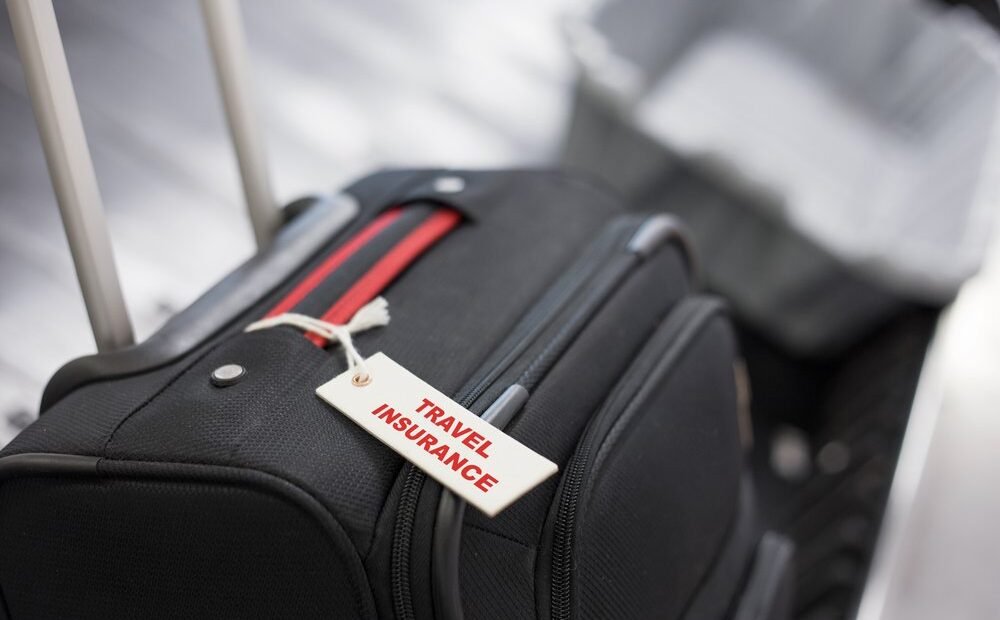
Most Americans skip travel insurance for domestic trips — and most of the time, that’s fine. But ‘most of the time’ is doing heavy lifting in that sentence. I’ve had two domestic trips go sideways (a hurricane evacuation and a pre-trip injury), and the math on insurance changed permanently for me. Is “travel insurance worth it for domestic trips”? That exact question came up for me twice in one year — a hurricane and a sprained ankle gave me my answer.
Whether travel insurance is worth it for domestic trips comes down to three questions: how much non-refundable money is at stake, how likely is disruption, and what do you already have covered? Answer those and the decision makes itself.
Here’s the honest breakdown — including when it’s a waste of money.
When Domestic Travel Insurance Pays for Itself
Buy it when: the trip is expensive and non-refundable (a $3,000 Alaska cruise-departure trip with prepaid everything), you’re traveling during hurricane season to the Gulf or Southeast (June–November — trip interruption coverage is gold here), someone in your party has a health wobble (elderly parents, a pregnancy, your own creaky knee), or the itinerary is complex (multiple connections, tight cruise embarkation — miss the ship and you’re buying flights to the next port).
The math: domestic policies typically cost 4–8 percent of the trip cost — $120–$240 on a $3,000 trip. One covered event (a cancelled $800 flight pair, a $500 hotel night lost to a missed connection, a $2,000 medical evacuation from a national park) pays for years of premiums. It’s not about expecting disaster; it’s about the asymmetry — small certain cost versus large possible loss.
Medical coverage matters domestically too, contrary to popular belief. Your health insurance works nationwide, but medical evacuation (helicopter from a hiking trail, air ambulance between hospitals) often isn’t fully covered — and it runs $15,000–$50,000. If your domestic trip involves remote areas, the evacuation benefit alone justifies the policy. The US Travel Insurance Association explains coverage types clearly.
When It’s a Waste of Money
Skip it when: the trip is cheap and flexible (a $200 weekend with refundable hotel and Southwest flights — Southwest doesn’t charge change fees, so your risk is near zero), you’re driving (your auto insurance and health insurance already cover the scenarios), or your credit card already covers it (many premium cards include trip cancellation, delay, and baggage coverage — check before buying duplicative insurance).
The credit card check is the step everyone skips. Cards like the Chase Sapphire Preferred/Reserve, Amex Platinum, and Capital One Venture X include meaningful travel protections when you pay with the card — trip cancellation up to $10,000, delay reimbursement, lost luggage. If you booked with one of these, you may already own the coverage you’re shopping for. Call the card’s benefits line to confirm specifics before buying a separate policy.
Also skip ‘cancel for any reason’ (CFAR) add-ons for most domestic trips — they cost 40–50 percent more and reimburse only 50–75 percent. CFAR makes sense for expensive, uncertainty-laden trips (a destination wedding during a family health crisis); for a normal domestic vacation, it’s overpriced peace of mind.
How to Buy It Right
Buy within 14–21 days of your first trip payment to qualify for pre-existing condition waivers — this is the detail that matters most for travelers with health concerns. Compare on aggregators (Squaremouth, InsureMyTrip) rather than buying from the airline or cruise line — third-party policies are usually cheaper with better coverage. Read the covered reasons for cancellation; ‘I changed my mind’ isn’t one (that’s what CFAR is for).
For frequent travelers, an annual policy ($150–$400/year) beats per-trip policies after 2–3 trips — do the math on your travel year. And document everything: if you need to claim, you’ll want receipts, proof of payment, and documentation of the disruption (airline delay notices, doctor’s notes). Claims with paperwork get paid; claims with vibes don’t.
If your flight gets cancelled, by the way, the airline owes you care regardless of insurance — our guide to flight cancellations covers your rights. Insurance is the layer on top: the non-refundable hotel, the missed cruise, the evacuation. For international trips, the calculus shifts further toward ‘buy it’ — see our Europe budget guide for trip-planning context.
Travel Insurance Worth It for Domestic Trips: Real Claim Stories
Story one: the hurricane. We’d booked a $2,800 Gulf Coast week in September — non-refundable condo, prepaid fishing charter. Hurricane evacuation order, trip cancelled. Travel insurance ($140 policy) reimbursed everything, including the charter. Without it, we’d have eaten nearly three grand. Story two: the ankle. My hiking partner sprained an ankle badly on day two of a national park trip — the evacuation to the trailhead clinic and the rebooked flights home were covered under the medical and trip-interruption benefits. Two claims in one year, both paid in full, total premiums under $300.
The pattern in both stories: the insurance didn’t cover the likely — it covered the specific. That’s the whole logic. You don’t buy it because disaster is probable; you buy it because the trips where it’s needed are the expensive, non-refundable, complicated ones — exactly the trips where losing the money would hurt. Run the three-question test from this guide on every trip over $1,500, and the decision makes itself. The peace of mind, frankly, is worth something too — there’s a real pleasure in booking the non-refundable rate knowing you’re covered.
Buy or Skip? Quick Decision Guide
- BUY: expensive non-refundable domestic trip ($2,000+)
- BUY: hurricane-season travel to Gulf/Southeast
- BUY: health concerns in the travel party
- BUY: complex itineraries (cruises, tight connections)
- BUY: remote-area trips (evacuation coverage)
- SKIP: cheap flexible trips (refundable + no change fees)
- SKIP: road trips (auto + health insurance cover it)
- SKIP: when your credit card already covers it — check first
- SKIP: CFAR add-ons for normal trips (overpriced)
- Cost: 4–8% of trip; annual policies $150–$400
- Timing: buy within 14–21 days of first payment
- Compare: Squaremouth/InsureMyTrip beat airline-sold policies
Insure the Trips That Would Hurt to Lose
The rule of thumb: insure what you can’t afford to lose, skip what you can absorb. A $300 weekend? Self-insure. A $4,000 non-refundable family trip during hurricane season with your elderly mom? That’s a $200 policy — buy it and never think about it again.
Travel insurance isn’t pessimism; it’s the thing that lets you book the trip confidently in the first place. Price it with the trip, decide with the math, and then go enjoy yourself — covered.



1 Comment