
I once watched a woman at baggage claim open her suitcase to find her hand-painted Portuguese tiles in approximately forty pieces. I have been that woman, minus the audience: a ceramic rooster from a market in Mexico, wrapped in one hopeful t-shirt, arrived as a bag of festive shards. Never again.
The best way to pack souvenirs without breaking them is not complicated, but it is specific. It is about the right materials, the right placement in your bag, and knowing which items should never go in checked luggage at all.
What Is the Best Way to Pack Souvenirs Without Breaking Them?
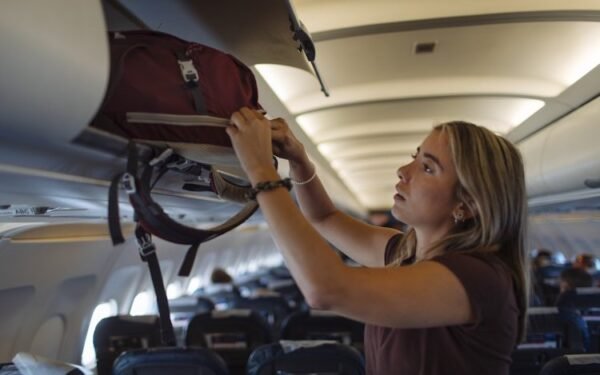
First, the golden rule: fragile souvenirs fly in your carry-on, period. Baggage handlers are not gentle, conveyor belts drop bags feet at a time, and no amount of wrapping fully protects against a 30-pound suitcase landing on yours. Ceramics, glass, wine, artwork, and anything you would cry over losing goes in the bag that stays with you. Airlines allow wine and olive oil in checked bags only in limited quantities, and breakage is entirely your risk.
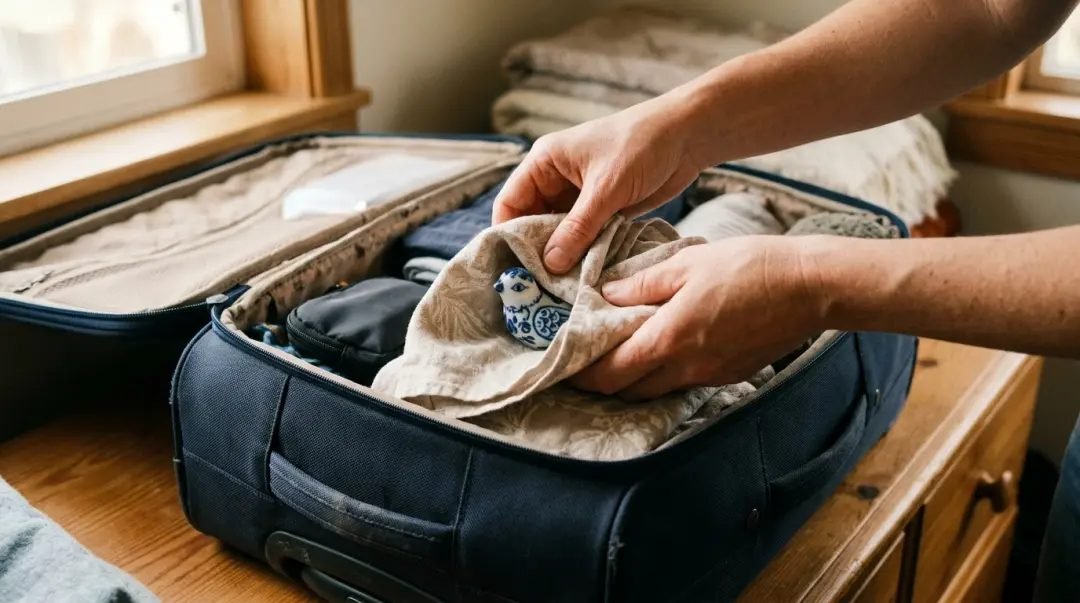
For the actual wrapping technique, think like a shipper. The best way to pack souvenirs without breaking them starts with individual wrapping: each item gets its own layer of bubble wrap, clothing, or packing paper, with hollow items stuffed inside. A vase should have socks or scarves packed inside it, then be wrapped outside. Wine bottles go in dedicated bottle protectors or inside sealed plastic bags (for leaks) wrapped in clothing. Then comes placement: fragile items go in the center of the suitcase, surrounded on all six sides by soft clothing, never against the hard shell or near the edges where impacts land.
- Bring a small packing kit. A flat-packed mailer, a few feet of bubble wrap, rubber bands, and zip bags weigh nothing and save everything. I pack them on every trip now.
- Use the clothing sandwich method. Lay a base of clothes, place wrapped items in the center with space between them, then cover with more clothes. Items should never touch each other or the case walls.
- Seal liquids in zip bags first. Wrap the bottle, then seal it in a bag before the clothes go around it. A leak contained is a trip saved.
- Ask shops about shipping. Many artisan shops, especially in Europe and Japan, ship internationally for less than you expect. A $25 shipping fee beats a broken $80 vase.
- Photograph fragile items before packing. If something does break, photos help with travel insurance claims and with reordering from the artisan.
- Distribute weight sensibly. Heavy fragile items low and centered, near the wheels of a rolling bag. Top-heavy bags tip and crash.
- Consider a hard-sided carry-on. For serious souvenir hunters, a hard-shell carry-on is armor. Soft duffels offer zero crush protection.
For truly precious items, the nuclear option is buying a seat-adjacent solution: a padded art tube for prints and textiles, or simply wearing your most fragile purchase home in a personal-item bag. I once carried a ceramic mask from Oaxaca in my lap for two flights. It felt ridiculous. It arrived perfect.
What to Do When Something Breaks Anyway
It happens despite best efforts. First, photograph everything before you touch it; you need the damage documented for any claim. If you bought travel insurance with baggage coverage, file promptly with receipts. If the item came from a shop, email them the photo; many artisans will offer a replacement at cost, and some will simply send a new one. And keep the pieces: a good ceramics restorer can work miracles, and a visibly repaired souvenir often becomes the best story in the house.
Prevention beats repair, but a broken souvenir with a good story beats a perfect one you were afraid to buy. Do not let fear of breakage stop you from buying the thing you love.
Quick Answers to Common Questions
Can I bring wine home in my suitcase?
Yes, in checked luggage, within customs limits (generally one liter duty-free into the US, with duties on more). Wrap each bottle individually, seal in plastic bags, center them in the case, and accept that breakage risk is yours.
Should I just ship everything home?
For heavy, fragile, or numerous items, yes. Shop shipping or a local post office is often cheaper than excess baggage fees and far safer. This is the pro move for ceramics, wine cases, and art.
Does travel insurance cover broken souvenirs?
Sometimes, under baggage protection, with receipts and photos. Coverage varies widely, so check your policy before the trip, not after the breakage.
What is the single most breakable souvenir?
Stemmed glassware and thin ceramics, by a wide margin. If you buy them, carry them on, wrap each piece separately, and stuff the hollows.
My Pre-Trip Checklist
- Pack a mini wrapping kit. Bubble wrap, zip bags, rubber bands. Flat, light, trip-saving.
- Fragile goes carry-on. If you would cry over it, it never leaves your sight.
- Wrap each item individually. No touching, no shared wrapping, hollows stuffed.
- Center everything in soft clothing. Six sides of padding, nothing against the shell.
- Photograph valuables pre-packing. For insurance and for reordering from the artisan.
What I Would Do Next
My Portuguese tiles survived the flight home last year, by the way. Individually wrapped, stuffed with socks, centered in a hard-shell carry-on, carried like a newborn. The woman at baggage claim with the forty pieces taught me well. Pack like a shipper and your souvenirs will outlive the trip.
The best way to pack souvenirs without breaking them comes down to three decisions: carry-on for the precious, individual wrapping for everything fragile, and center placement in the bag. Get those right and breakage becomes rare instead of expected.
Buy the thing you love. Then pack it like you mean it.
Related reading: What Is the Cheapest Fence Option for a Backyard.
Related reading: How Long Does Cooked Chicken Last in the Fridge.
Related reading: What Is the Easiest Homemade Bread Recipe for Beginners.
For official guidance, check out Amtrak route guides and TSA screening guidelines.



1 Comment