
I used to work out on an empty stomach and then ‘reward’ myself with whatever was closest. Fixing the bookends of my workouts did more for my energy and recovery than any supplement.
Most advice on this topic falls into two camps: vague wellness platitudes or scary worst-case scenarios. Neither helps when you’re trying to make a real decision. So here’s the middle ground — grounded in actual evidence, focused on what you can do this week, and honest about where the limits are.
What to eat before and after workout: What the Evidence Shows
Let’s get specific about what to eat before and after workout — what it means, why it matters, and the practical steps that make a difference. Everything below is actionable starting today.
Before: carbs are your friend. Your muscles run on glycogen, so a carb-rich snack 1 to 3 hours before training is ideal — oatmeal with banana, toast with peanut butter, or rice with a little protein. Keep fat and fiber moderate beforehand since they slow digestion and can cause mid-workout stomach trouble. It sounds simple because it is. The hard part is just doing it consistently.
The 30-minute emergency option
No time for a real meal? A banana, a handful of dates, or a small granola bar 30 minutes before works fine. Easily digested carbs hit your bloodstream fast. This is about fuel, not perfection — something beats nothing every time. Not glamorous, not expensive — just something that works.
After: protein within a couple of hours
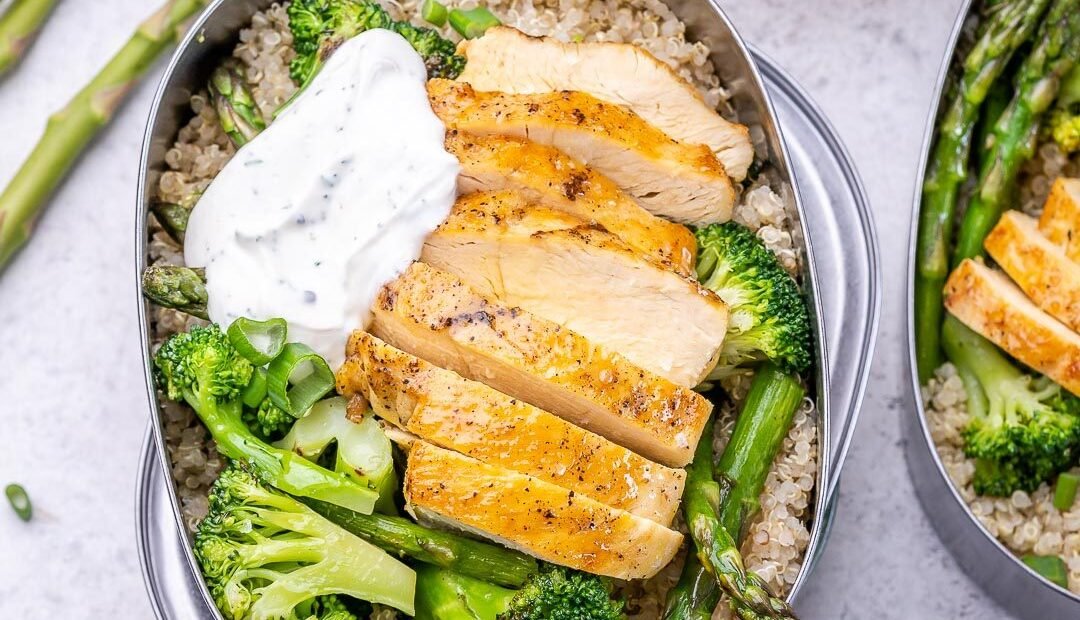
The ’30-minute anabolic window’ is mostly myth, but getting 20 to 40 grams of protein within a couple of hours of training does support muscle repair. Chicken, eggs, Greek yogurt, tofu, or a protein shake all qualify. Total daily protein matters more than exact timing. Simple, free, and backed by both science and common sense.
Related reading: our guide to what is a healthy weight loss goal per month covers a closely connected topic worth understanding alongside this one.
Don’t skip the post-workout carbs either
After hard training, carbs replenish the glycogen you burned. This is why chocolate milk became a recovery cliché — it genuinely delivers a good carb-to-protein ratio. Rice bowls, pasta, or a big sandwich do the same job with real food. This is one of those fixes that feels too easy to matter — until it does.
Hydrate like it’s part of the meal
Losing just 2% of body weight in sweat measurably hurts performance and recovery. Drink water before, during, and after. For sessions over an hour or heavy sweating, add electrolytes — a pinch of salt in water or a sports drink works. The people who do this consistently swear by it, and the logic holds up.
Real food beats the supplement aisle
Pre-workout powders, BCAAs, and recovery elixirs are a multi-billion-dollar industry built on marginal gains. For regular training, a solid meal before and after covers 95% of what matters. Save your money for good groceries. Small change, real payoff — that’s the pattern with this one.
Quick Takeaways
- Before: carbs are your friend: Your muscles run on glycogen, so a carb-rich snack 1 to 3 hours before training is ideal — oatmeal with banana, toast with peanut butter, or rice with a little protein.
- The 30-minute emergency option: No time for a real meal? A banana, a handful of dates, or a small granola bar 30 minutes before works fine.
- After: protein within a couple of hours: The ’30-minute anabolic window’ is mostly myth, but getting 20 to 40 grams of protein within a couple of hours of training does support muscle repair.
- Don’t skip the post-workout carbs either: After hard training, carbs replenish the glycogen you burned.
- Hydrate like it’s part of the meal: Losing just 2% of body weight in sweat measurably hurts performance and recovery.
- Real food beats the supplement aisle: Pre-workout powders, BCAAs, and recovery elixirs are a multi-billion-dollar industry built on marginal gains.
When to Bring in a Professional
Self-help has limits, and knowing them is wisdom, not weakness. If symptoms persist beyond a few weeks of consistent effort, worsen, or interfere with work, sleep, or relationships, that’s the signal to book an appointment. Primary care doctors handle most of this territory and can refer you to specialists when needed.
Come prepared: a short timeline of symptoms, what you’ve already tried, and your key questions written down. Prepared patients get better care — it focuses the visit and prevents the ‘I forgot to ask’ drive home. And if cost worries you, ask about cash rates upfront; they’re often far lower than the billed charges.
A Common Mistake to Avoid
The two classic errors: training completely fasted and then under-eating after because you’re ‘not hungry’ (appetite is often suppressed post-workout). Both sabotage recovery. Even a small snack on each end keeps your body fueled and rebuilding.
If you want to go deeper on a related topic, see our guide to what is the best sunscreen for sensitive skin — and for a different angle on everyday wellness, our guide to how can I reduce eye strain from screens at work is worth your time.
The Sleep Connection
Almost every health topic connects back to sleep — it’s the foundation other habits build on. Poor sleep undermines willpower, recovery, immunity, and mood simultaneously. If you’re only going to fix one thing, fix sleep: consistent schedule, dark cool room, screens off before bed.
Protect the last hour of your day like it matters, because it does. A wind-down routine — dim lights, no news, something calm — signals your nervous system that the day is over. Morning-you will thank night-you within a week.
For authoritative background, see Mayo Clinic’s guide to healthy sleep habits, and also WebMD’s symptom and condition library for a second perspective.
Frequently Asked Questions
Should I eat before morning workouts?
If it’s light cardio under 45 minutes, fasted is fine for most people. For lifting or intense sessions, at least a banana or toast beforehand noticeably helps performance.
Is a protein shake necessary?
No — it’s just convenient protein. If you eat a protein-rich meal within a couple of hours of training, a shake adds nothing. It’s a tool, not a requirement.
What to Do This Week
Don’t aim for perfect — aim for started. Choose two items from the quick takeaways above and commit to them for seven days. Put a simple checkmark on your calendar each day you follow through; the visual streak is surprisingly motivating. At week’s end, keep what helped and drop what didn’t — no guilt, just data.
Tell someone your plan. It sounds small, but announcing a health change to one person measurably improves follow-through. And schedule any needed appointments now — the doctor visit, the lab work, the fitting — because ‘later’ has a way of becoming never.
The Bottom Line
Eat carbs before for fuel, protein plus carbs after for recovery, and hydrate throughout. Keep it simple, keep it consistent, and skip the expensive powders — real food does the job.



