
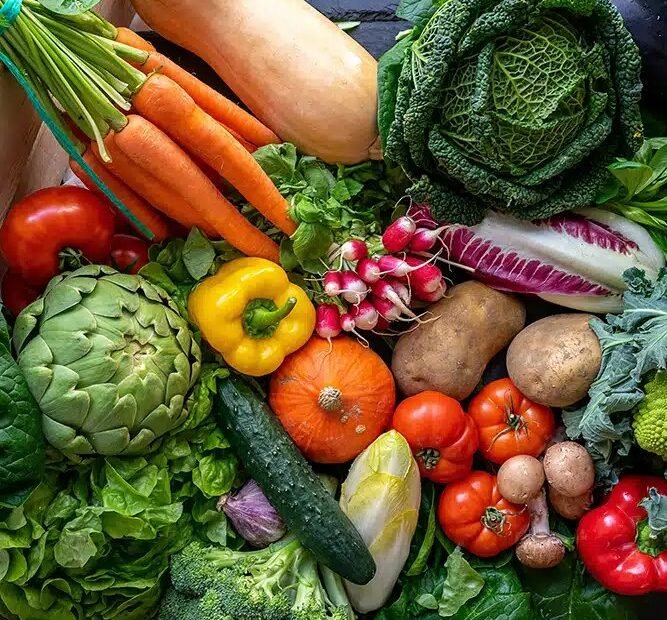
Half a zucchini. Two carrots gone soft at the ends. A bunch of spinach that looked crisp on Tuesday and tired by Friday. One lonely pepper rolling around the bottom of the crisper drawer. None of it is enough for a planned recipe, and all of it is too good to throw away. That drawer reads like a riddle, and the answer is rarely a new recipe. The answer is a set of formulas that take almost any vegetable and turn it into dinner.
Formula cooking works because the method stays the same while the vegetables change. Soft greens, firm roots, peppers, mushrooms, and squash all fit at least one of five core formulas. Learn those five, add a few extra rescue routes, and store food with more care, and the crisper stops being a place where food goes to be forgotten.
The Stir-Fry Formula in Depth
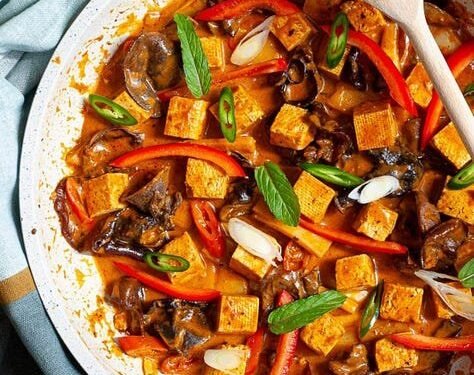
A stir-fry rescues the widest mix of vegetables in the least time. Dinner can be on the table in 15 minutes, served over rice, and the only real rule is order. Hard vegetables go in first because they need the longest contact with heat. Carrots, broccoli stems, and green beans start the pan. Peppers, zucchini, and mushrooms follow. Leafy greens go in last, where they need less than a minute to wilt.
Heat a wide pan or wok until very hot, add a spoon of neutral oil, and add garlic and ginger if you have them. Keep the pieces moving so they sear rather than steam. Crowding the pan drops the heat and makes everything soft and wet, so cook in two batches if the pile looks large. A sauce goes on at the end, not the start. A simple soy and garlic mix coats well, and a peanut sauce made from peanut butter, soy sauce, a squeeze of lime, and warm water turns plain vegetables into something rich. Serve at once, while the edges still have bite.
Almost any leftover fits this formula. Snap peas, bok choy, cabbage cut thin, and leftover roasted vegetables all work. The key judgment is size. Cut dense vegetables smaller than soft ones so everything finishes together.
The Soup Formula in Depth
Soup forgives what other methods do not. A wrinkled pepper, a soft potato, and the last stalks of celery all taste fine once they have simmered in a well seasoned broth. Appearance stops mattering, which makes soup the best home for vegetables that look tired but still smell fresh and clean.
Start with onion and garlic softened in oil or butter. Add chopped vegetables in order of hardness, pour in enough broth or water to cover well, and simmer until everything is tender. Season with salt, pepper, and an acid at the end, such as lemon juice or a splash of vinegar. That last touch lifts the whole pot.
Texture is your choice. Leave the soup chunky, blend half of it for body, or blend all of it smooth and swirl in cream or yogurt. Beans, lentils, small pasta, and leftover grains stretch the pot further.
The Frittata Formula in Depth
A frittata turns small amounts of many vegetables into one complete meal. Small bits that would look lost in a side dish look generous when set in eggs and topped with cheese. Whisk 8 eggs with a splash of milk and a good pinch of salt. Sauté your vegetables first in an oven safe skillet until their moisture cooks off. That step matters. Wet vegetables make a watery frittata.
Scatter cheese over the vegetables, pour in the eggs, and let the base set on low heat for a minute or two without stirring. Move the skillet to an oven at 375°F and bake until the center is just set and no longer liquid when the pan is nudged. Rest for five minutes before slicing.
Almost any cooked vegetable works here. Roasted potatoes, peppers, spinach squeezed dry, mushrooms, and onions are all strong choices. Soft herbs stirred in at the end add freshness. Serve with toast or a simple salad and the meal feels complete.
The Fried Rice Formula in Depth
Fried rice needs cold, dry rice, so day old rice from the fridge is ideal. Fresh warm rice steams and clumps. If you only have fresh rice, spread it on a tray and chill it for an hour to dry the surface. Dice vegetables small so they cook fast and mix evenly through the grains.
Heat oil in a wide pan, scramble an egg and set it aside, then stir fry the vegetables until they start to color. Add the rice and press it lightly against the hot pan in batches so some grains crisp. Season with soy sauce around the edge of the pan, where it sizzles and darkens. Return the egg, add sliced green onions if you have them, and finish with a few drops of sesame oil.
The Sheet-Pan Roast Formula in Depth
Roasting concentrates flavor through dry heat and browning. Cut vegetables into similar size pieces so they finish at the same time, toss them with oil and salt, and spread them in a single layer with space between pieces. Roast at 425°F until the edges caramelize and the centers turn tender. Crowded pieces steam and stay pale, so use two trays if needed.
Group vegetables with care. Roots and squash can go in together for the full time. Peppers and zucchini cook faster and can join partway through, or roast on their own tray for less time. Turn the pieces once halfway for even color. Roasted vegetables work as a side dish, over grains with a sauce, tucked into wraps, or blended into soup the next day.
More Rescue Routes Worth Keeping Ready
Beyond the core five, a short list of extra routes covers the odds and ends that still remain. Greens that are still safe but too soft for a salad blend well into smoothies with frozen fruit and yogurt. The flavor stays mild and the texture turns smooth. Basil, carrot tops, and soft herbs blend into pesto or green sauces with oil, garlic, nuts or seeds, and cheese. Spooned over pasta, eggs, or grilled food, a small bunch becomes the best part of the meal.
Quick pickling saves cucumbers, carrots, onions, and peppers for weeks. Slice thin, pack into a clean jar, and cover with hot vinegar brine made from equal parts vinegar and water with salt and a little sugar. Cool, seal, and refrigerate. Vegetable scraps also make stock. Keep onion ends, carrot peels, celery leaves, and herb stems in a freezer bag, and simmer the full bag with water for a free base for soups and grains. For breakfast, a hash of diced potato, onion, and any firm leftover vegetable fried until crisp and topped with eggs uses small amounts with almost no waste. Learning how to reduce food waste in your kitchen at this level is mostly about having these routes ready before food fades.
How Long Vegetables Actually Last
Cooking in the right order depends on honest storage times. Root vegetables such as carrots, beets, and turnips last 3 to 4 weeks refrigerated when kept dry and cold. Cabbage and Brussels sprouts last 2 to 3 weeks, thanks to their dense leaves. Bell peppers and broccoli last 1 to 2 weeks. Leafy greens, soft herbs, and asparagus last only days, so they need to be cooked or preserved first.
Storage method stretches or shortens those times. Stand herbs upright in a glass of water in the fridge, loosely covered, and they keep far longer than they do tossed in a bag. Wrap greens with a dry paper towel in a sealed container to absorb excess moisture. Keep potatoes and onions apart in a cool, dark place, since onions speed sprouting in potatoes. Keep bananas, tomatoes, and onions away from greens, peppers, and cucumbers, because the gas they release speeds softening in sensitive produce.
Use sight and smell to judge the borderline cases. Slimy texture, strong sour smell, or visible mold means the food belongs in the compost. Wilted, wrinkled, or slightly soft usually means cook it today. For storage detail sorted by ingredient, see Love Food Hate Waste’s leftover recipes and storage guidance.
Freezing as a Pause Button
Freezing stops the clock when you know you cannot cook in time. Most sturdy vegetables freeze well if you blanch them first. Boil broccoli, green beans, and carrots for 2 to 3 minutes, chill them fast in cold water, drain them well, and freeze them flat on a tray. Once firm, move them to a bag. Freezing flat first stops the pieces from forming one solid lump, so you can pour out only what you need.
Peppers, onions, and celery can go into the freezer raw and diced, ready for cooked dishes. Greens for smoothies and soups freeze well in bags with the air pressed out. Label each bag with the contents and the date. Thawed vegetables suit cooked dishes best, since their texture softens.
The Weekly Habit That Stops the Cycle
Formulas and freezing help most when they sit inside a steady habit. Set aside 30 minutes once a week, ideally the day before the next shop, for a use it up cook. Open the fridge, pull out everything that needs attention, and pick the formula that fits the pile. Soup for a mixed pile, a roast for firm vegetables, a frittata for small bits, and fried rice when cooked rice waits in the back.
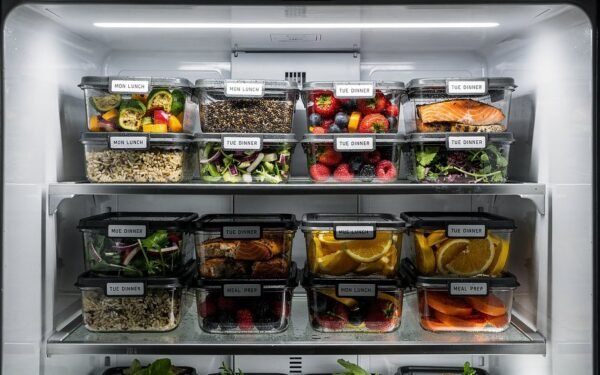
Keep an eat me first box in the fridge to make that habit easy. Use a clear container at eye level. The moment a vegetable looks like it has only a day or two left, move it into the box. At dinner time, open the box first and build the meal around what sits inside. Clear storage matters because food you can see gets cooked, while food buried under newer shopping gets found too late.
Shopping then gets smarter without effort. You start the next list with a clear fridge and a clear sense of what your household truly eats in a week. Buy the long lasting roots and cabbage for late in the week, and plan greens and soft vegetables for the first days. That order, plus five formulas and a weekly half hour, turns leftover vegetables from a recurring loss into a normal part of how meals get made.

3 comments