
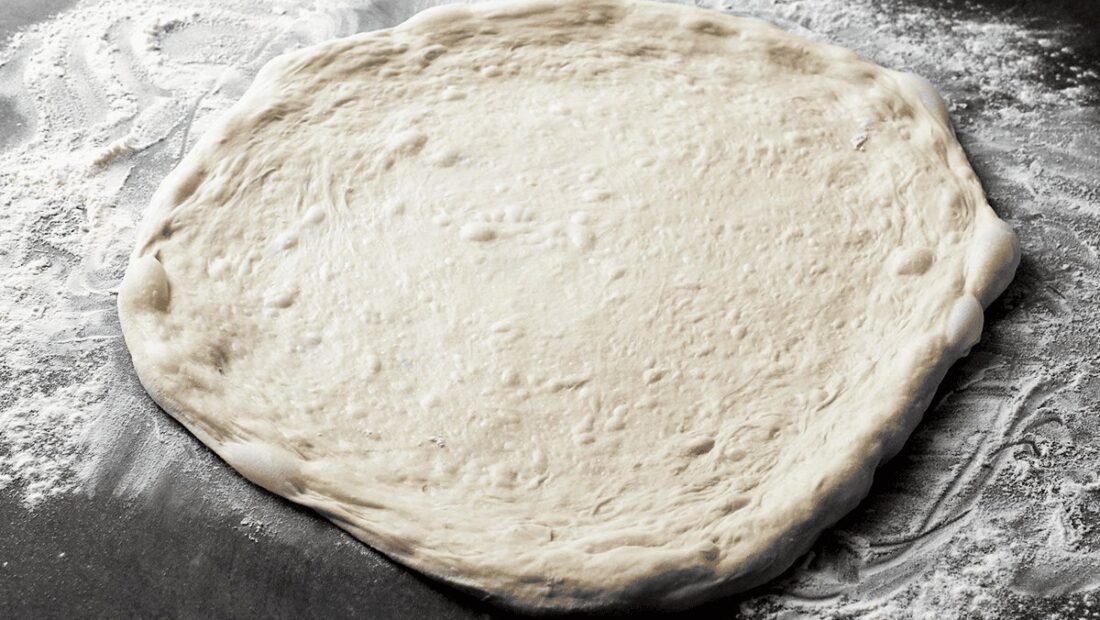
Flour is effectively all of the crust. Sauce, cheese, and toppings sit on top, but the base itself is flour, water, salt, and yeast, and flour does nearly all of the structural work. Yet most recipes just say the word flour and move on, as if every bag in the baking aisle behaved the same way. It does not. Protein level, grind, and strength change chew, browning, stretch, and crumb in ways you can taste in the first bite.
Choosing well starts with your oven. A home oven that tops out near 500 to 550°F asks different things of flour than a dedicated pizza oven that runs at 900°F. The comparison below weighs the main options on their documented merits for home baking, then lands on one clear recommendation and one reliable dough to start with.
Bread Flour: The Strong All-Around Choice
Bread flour runs 12 to 14% protein. That protein forms gluten when mixed with water, and gluten gives dough its strength and elasticity. In the oven, a strong gluten network holds gas from fermentation, which creates an open crumb and a crust with real chew. Bread flour also browns well at home oven heat, which matters more than many recipes admit. Color carries flavor, and a pale crust tastes flat even when the texture is fine.
For home bakers, bread flour has two practical advantages. It is easy to find and costs little, and it forgives small errors. Slightly under kneaded dough still sets with structure, and slightly over proofed dough still holds shape better than a weaker flour would. If you want one bag for pizza night, this is the bag that suits the widest range of styles, from thin and crisp at the edge to puffy and chewy.
00 Flour: Brilliant at High Heat, Pale at Home
00 flour refers to a very fine Italian grind. Typical pizza grades sit near 12% protein, milled to a powdery softness. In Naples style baking, that fine grind gives a tender, supple dough that blisters fast in a 900°F oven and stays soft in the center. Leopard spotting and a delicate rim are its signature results.
A 500°F home oven is a different test. Contact time stretches much longer, and 00 dough often under browns, baking pale and soft rather than crisp and golden. The crust can eat more like a flatbread than a pizza base. Blending 00 with bread flour improves browning for some bakers, but on cost and results alone, 00 rarely earns its premium in a standard kitchen oven. It makes sense when a high heat pizza oven enters the picture, or when you value a very soft Neapolitan center above browning and chew.
All-Purpose Flour: Decent and Ready to Use
All-purpose flour runs 10 to 12% protein, a step below bread flour. Dough made with it feels softer and stretches with less resistance. The baked crust is perfectly decent, with a tender bite and modest chew. For a first pizza or a casual weeknight bake, that result is more than acceptable, and using the bag already open in the pantry beats delaying pizza for a shopping trip.
The limits show up as you aim higher. The rim puffs less, the crumb tightens, and the slice folds with less spring. All-purpose also absorbs less water, so dough at the same hydration feels looser and sticks sooner. None of that makes it a poor choice. It makes it a starting point. When you want more chew and structure without changing anything else in the method, swapping to bread flour is the single easiest upgrade.
Whole Wheat and High-Gluten Flour: Blends and Extremes
Whole wheat flour brings nutty flavor and extra fiber, but bran cuts gluten strands and weighs dough down. A crust made fully from whole wheat tends to bake dense and tight. Used as 20 to 30% of a blend with bread flour, it adds flavor and light color while the bread flour keeps the structure and lift. That ratio is the sweet spot for most home bakes. More than that, and you trade pizza texture for bread loaf texture.
High-gluten flour sits at the other end, at 14% protein and above. It produces intense chew in the New York style, with a rim that resists the bite and slices that hold a fold without drooping. The trade off is handling. Strong dough snaps back as you stretch it and can feel tough to shape by hand, especially when cold. Resting the dough longer between stretches helps. For most home bakers, that level of chew comes at more effort than the result justifies, unless New York style is the exact goal.
Semolina deserves a brief note. It is too gritty as a main crust flour, but it excels as a dusting flour on the peel or board. The coarse grains act like small rollers and help the shaped dough slide into the oven without sticking.
Protein and Hydration Work Together
Protein alone does not decide the crust. Hydration, the weight of water as a share of the weight of flour, decides how that protein performs. Higher protein flours absorb more water, so the same hydration number feels firmer in bread flour than in all-purpose. A dough at 60 to 62% hydration with bread flour is the beginner friendly start. It kneads cleanly, shapes without tearing, and still bakes with an airy edge.
At 65% hydration and above, the crumb opens further and the rim gets lighter and puffier. The cost is handling. Wetter dough sticks to hands, boards, and peels, and it needs confident, quick shaping. Salt, yeast, and fermentation time still matter, but hydration is the dial you feel most in your hands. New bakers do best to master the lower range first, bake several pizzas, and then raise the water by small steps. Guidance on shaping and fermentation for each flour type is easy to compare through Ooni’s pizza dough recipes and flour guidance, which lays out doughs for different ovens and styles side by side.
Storage, Age, and Handling Details That Affect Results
Flour is not inert. Whole wheat flour carries oils in the bran and germ that turn stale faster than the oils in white flour, so store whole wheat in a sealed container in the fridge or freezer and bring it to room temperature before mixing. White bread flour and all-purpose flour keep well in a cool, dry pantry in airtight containers. Old flour that smells flat or dusty makes dough that rises with less vigor, no matter the protein printed on the bag.
Weighing beats scooping for consistency. A cup of flour can vary by a wide margin depending on how tightly it packs, and that swing changes hydration more than a flour swap does for many bakers. A small kitchen scale removes that noise. Room temperature water also helps yeast start evenly, and a short rest after mixing, often called an autolyse, lets flour hydrate fully before kneading. That rest makes strong bread flour dough smoother and easier to stretch. None of these steps costs money, and together they make comparisons between flours honest rather than random.
A Reliable Standard Dough to Learn On
A steady reference dough makes flour comparisons fair, because only one variable changes at a time. Use 500g bread flour, 325g water for 65% hydration, 10g salt, 7g instant yeast, and 15g olive oil. Mix until no dry flour remains, knead until smooth and elastic, then divide and cold ferment in sealed containers in the fridge for 24 to 72 hours. That slow cold ferment builds flavor, relaxes the dough for easier stretching, and fits home schedules well. Dough made in the morning and baked the next evening tastes markedly better than dough rushed in an hour.
Bring the dough to room temperature before shaping so it stretches without fighting back. Bake as hot as the oven goes, at 500 to 550°F, on a stone or steel preheated for at least 45 minutes. A steel holds and delivers heat faster than a stone and gives stronger bottom browning in a home oven. Bake until the rim is golden and spotted and the base is set. If you want a fuller walkthrough of mixing and kneading steps, see how to make pizza dough from scratch for a clear sequence to follow the first few times.
The Recommendation for Home Ovens
For a standard home oven, buy bread flour first. Its 12 to 14% protein delivers the best balance of chew, structure, browning, and ease of handling, and it does so at grocery store prices. Start at 60 to 62% hydration if shaping is new to you, or use the 65% reference dough above if you handle dough with some confidence. Cold ferment for at least a day whenever the schedule allows.
Keep all-purpose as a workable backup, treat whole wheat as a 20 to 30% blending flour, and save high-gluten flour for deliberate New York style bakes. Save 00 flour for a high heat pizza oven, where its fine grind and tender center make sense. Flour choice cannot fix under preheating or rushed fermentation, but the right bag removes the most common ceiling on home pizza. With bread flour, a hot steel, and a day of patience in the fridge, a home oven produces crust with chew, color, and lift that holds its own next to cheese and sauce rather than fading under them.

1 Comment