
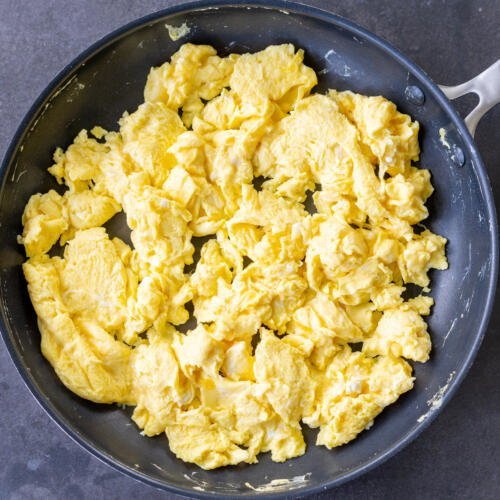
Scrambled eggs are the first thing most of us learn to cook and the last thing most of us learn to cook well. There’s a vast gulf between rubbery, weeping, overcooked curds and the creamy, custardy folds you get at a good brunch spot — and the entire difference is heat control and timing, not talent.
I spent years making mediocre scrambled eggs before a chef friend watched me cook and changed two things. Two. My eggs have been perfect ever since, and yours can be too. Here’s how to make perfect scrambled eggs every time, whether you like them soft and creamy or firm and fluffy.
The Core Method for Perfect Scrambled Eggs
Crack your eggs into a bowl — 2 to 3 per person — and beat them thoroughly until no streaks of white remain. Add a pinch of salt now, not at the end; salting early breaks down proteins for a more tender curd (this is backed by food science, not tradition). A tablespoon of milk or cream per two eggs adds richness, though purists skip it — either way works.
Heat a nonstick skillet over low to medium-low heat and melt butter until it foams. Pour in the eggs and let them sit for about 20 seconds, then stir slowly and constantly with a spatula, pushing the eggs from the edges toward the center. You’re looking for soft, creamy curds forming gradually — this takes 3 to 5 minutes, not 90 seconds. Patience is the whole recipe.
The Two Things That Ruin Scrambled Eggs
High heat is enemy number one. Blast eggs over high heat and the proteins seize violently, squeezing out water (that sad puddle on the plate) and turning rubbery. Low, gentle heat lets the proteins set softly into creamy curds. If your eggs go from liquid to solid in under two minutes, your heat is too high — turn it down and give them time.
Enemy number two is cooking them to doneness in the pan. Eggs carry significant residual heat — they keep cooking off the burner. Pull them when they look about 90% done: still glossy, slightly loose, soft mounds rather than firm curds. They’ll finish on the plate in the minute it takes to get toast ready. Every overcooked scrambled egg in history is an egg that looked ‘almost done’ in the pan and kept going.
Reference: Serious Eats’ scrambled egg techniques.
Reference: American Egg Board cooking tips.
Perfect Scrambled Eggs Checklist
The details that separate creamy from rubbery:
- Beat eggs thoroughly with salt before they hit the pan — no visible white streaks.
- Use low to medium-low heat and real butter. Nonstick pan, always, for easy curds and easier cleanup.
- Let eggs sit 20 seconds, then stir slowly and constantly, pushing from edges to center.
- Aim for 3 to 5 minutes of gentle cooking. Fast eggs are tough eggs.
- Pull them at 90% done — glossy and slightly loose. Carryover heat finishes the job.
- Add cheese, herbs, or crème fraîche off the heat so they melt in gently without overcooking the eggs.
- Serve immediately on warm plates. Scrambled eggs wait for no one and go cold fast.
Styles and Upgrades Worth Trying
Once you’ve nailed the basic method, play with styles. For ultra-creamy French-style eggs, cook very low and slow (8 to 10 minutes), stirring constantly, and finish with a knob of cold butter and crème fraîche — the result is practically a sauce. For fluffy diner-style, use slightly higher medium-low heat and bigger, less frequent stirs for larger curds. Gordon Ramsay’s famous method adds crème fraîche off the heat and cooks in bursts — on the burner, off the burner — which gives you precise control.
Upgrades that earn their place: soft herbs (chives, dill, parsley) stirred in at the end, grated Parmesan melted through, a spoonful of ricotta for richness, or smoked salmon and dill for the full brunch treatment. But master the plain version first — technique before toppings, always.
Frequently Asked Questions
Should I add milk or cream to scrambled eggs?
A tablespoon per two eggs adds richness and a slightly softer curd — but it’s optional, not essential. Purists skip it and rely on low heat and butter alone. The bigger variables are heat level and timing, which matter far more than dairy. Try it both ways and pick your preference; there’s no wrong answer here.
Why do my scrambled eggs release water on the plate?
Overcooking. High heat makes egg proteins seize and squeeze out moisture — that sad puddle is called syneresis. Cook low and slow, pull the eggs at 90% doneness, and let carryover heat finish them. Properly cooked scrambled eggs hold their moisture and never weep.
Can I make scrambled eggs for a crowd?
Yes, with adjustments: use a large pan or cook in batches (crowding steams instead of setting), keep the heat low, and consider the oven method — whisked eggs in a buttered baking dish at 300°F, stirred every few minutes. For more than 8 servings, the oven is far less stressful than a giant skillet scramble.
More from Daily USA Post
- Also see: what are the best magic tricks to learn for parties
- Our complete guide: what are the best slow cooker recipes for beginners
- how can I make a juicy turkey for Thanksgiving — what you need to know
Perfect scrambled eggs every time come from low heat, constant gentle stirring, salting before cooking, and pulling them at 90% doneness so carryover heat finishes the job. That’s the whole secret — no special equipment, no exotic ingredients. Three to five patient minutes, and you’ll have creamy, custardy eggs that make the old rubbery version unthinkable.
Four patient minutes, one spatula, zero rubberiness: that’s the entire upgrade, and breakfast will never be the same again. Try it tomorrow morning and taste the difference that low heat and an early pull make — creamy, custardy curds instead of the rubbery scramble you’ve tolerated for years. Once you taste the difference, there’s no going back.




1 Comment