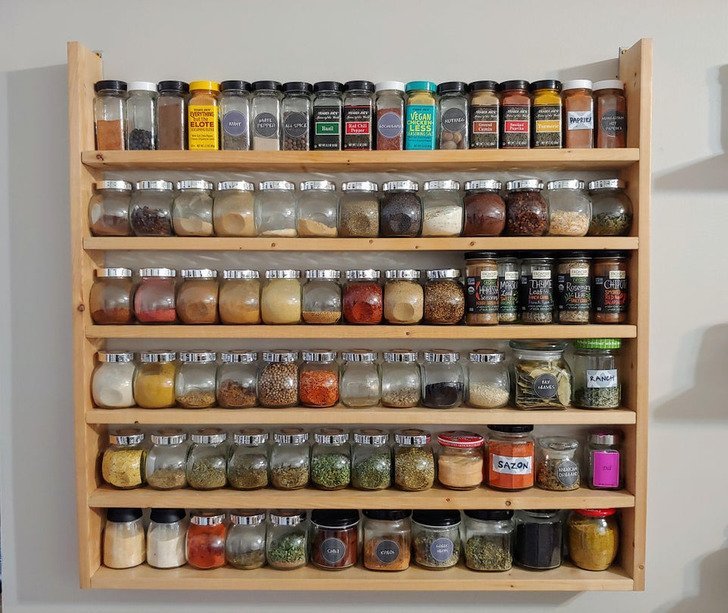
The spice aisle stops most new cooks cold. A wall of a hundred jars stares back, the recipe in hand calls for three of them, and every list online seems to include one jar you will use a single time and then push to the back of the cabinet for years. A starter rack should do the opposite. It should hold the small set of jars that shows up again and again, across eggs, soups, tacos, roasts, and weeknight pasta, so that almost any recipe feels within reach.
Start with fifteen. The full checklist comes first, so you can shop from it directly, and the detail after it explains what each jar earns its place doing, how to buy well, and how to store the set so it stays strong.
The 15 essentials checklist
- Kosher salt — the foundation seasoning for nearly every savory dish.
- Black peppercorns — whole, in a grinder, for fresh and sharp pepper flavor.
- Garlic powder — steady garlic flavor for rubs, vegetables, and sauces.
- Onion powder — quiet background savoriness for soups, dips, and breading.
- Red pepper flakes — heat on demand for pasta, pizza, and stir-fries.
- Ground cinnamon — warmth for baking, oatmeal, curries, and chili.
- Ground cumin — earthy depth for tacos, chili, and bean dishes.
- Paprika — sweet or smoked, for color and gentle flavor.
- Chili powder — the blended base for chili and Tex-Mex cooking.
- Dried oregano — a staple for Italian, Greek, and Mexican dishes.
- Bay leaves — slow, subtle depth for soups and braises.
- Dried thyme — a steady herb for roasts, soups, and vegetables.
- Ground ginger — bright warmth for baking and Asian-style dishes.
- Turmeric — color and earthy flavor for curries and rice.
- Cayenne — clean, direct heat when flakes are the wrong shape.
Fifteen jars cover the large majority of home cooking. Each one appears in many kinds of recipes, which is the entire point. A jar used weekly stays fresh and earns its space. A jar used once a year does neither.
The everyday five
Kosher salt comes first because seasoning starts there. Its coarse flakes are easy to pinch, easy to control, and free of the additives that can cloud a sauce. Salt does more than make food taste salty. Used well, it makes every other flavor in the pan taste more like itself.
Black peppercorns belong in a grinder, whole. Pre-ground pepper loses its bite fast and tastes dusty next to pepper ground fresh over a finished dish. A grinder at the table and one near the stove cover nearly every use, from eggs in the morning to steak at night.
Garlic powder and onion powder work as a pair. Garlic powder brings steady, mellow garlic flavor that fresh garlic cannot match in a dry rub, since fresh garlic burns at high heat. Onion powder melts into soups, dips, dressings, and breading with a round savoriness and no chopping at all. For fresh garlic jobs at the stove, the easiest way to peel garlic quickly keeps prep from slowing dinner down. Red pepper flakes finish the five: a pinch wakes up tomato sauce, a larger pinch turns oil and garlic into a fast pasta topping, and the jar lasts because a little goes a long way.
Warmth, color, and depth
Ground cinnamon reaches well past dessert. It sweetens oatmeal and baking, but it also deepens chili, curries, and slow-cooked meats in amounts too small to name. Ground cumin is the earthy backbone of tacos, chili, lentils, and roasted vegetables. A teaspoon in hot oil changes the whole direction of a pot of beans.
Paprika adds color first and flavor close behind. Sweet paprika gives eggs, chicken, and potatoes a mild, peppery warmth. Smoked paprika gives the same dishes a deep, fire-dried character that can anchor a stew on its own. Chili powder is different from both: it is a blend, usually built on ground chiles with cumin, garlic, and oregano already inside, made to season a pot of chili or a pan of Tex-Mex beef in one spoonful. Keeping paprika and chili powder separate matters, because the blend cannot do the plain paprika job and plain paprika cannot season chili by itself.
Dried oregano holds up to long cooking and suits tomato sauces, Greek salads, bean soups, and Mexican dishes alike. Bay leaves work quietly in the background of soups, braises, and rice, adding a depth that is hard to point to but easy to miss when it is gone. Pull the leaves out before serving, since they stay stiff even after long cooking. Dried thyme is the steady herb of the group: roasts, soups, roasted vegetables, and poultry all suit it, and it blends well with nearly everything else on the list.
Heat and brightness at the edges
Ground ginger brings a bright, warm bite that dried herbs cannot copy. It anchors stir-fry sauces, lifts baking from plain to warm, and pairs with garlic and soy in marinades that take minutes to mix. Turmeric gives curries and rice their golden color and an earthy, slightly bitter base that balances rich coconut milk and lentils well. Handle it with care around light counters and cloth, because the color stains fast and fades slowly.
Cayenne closes the list as the pure heat source. Red pepper flakes show up as visible flecks and release heat slowly in oil. Cayenne disappears into a sauce or a rub and heats the whole dish evenly. Rubs for grilled meat, pots of gumbo-style stew, and hot chocolate with a kick all call for the powder form rather than the flake. Start with a small pinch. Cayenne is far stronger than flakes spoon for spoon, and heat is easy to add and hard to take back.
Buying well: small jars and fresh grinding
Ground spices lose potency in about 6 to 12 months. The flavor does not vanish on a single day, but it fades month by month until a jar seasons with color and dust instead of aroma. That fact shapes the whole buying strategy: buy small jars you will finish within the year, and replace them on a steady cycle rather than buying a huge tub that outlasts its own flavor. A small jar used up and replaced beats a bulk jar kept for three years every time.
Whole spices hold their flavor far longer, and three of them reward fresh grinding so clearly that a grinder earns its keep fast. Whole peppercorns, cumin seed, and coriander seed ground fresh are far more aromatic than the pre-ground versions sitting beside them on the shelf. A cheap spice grinder, or a coffee grinder kept only for spices, pays off in the first month of use. Toasting whole seeds in a dry pan until fragrant, then grinding, deepens the flavor even more. For shelf guidance and blend ideas while building the rack, The Spice House’s spice guides and blends offer a useful reference point.
Three splurges are worth the extra cost. Real vanilla extract, rather than imitation, changes unbaked and lightly baked desserts in a way that is easy to taste. Cinnamon rewards a choice: Ceylon cinnamon is soft and delicate, suited to desserts where cinnamon should whisper, while cassia cinnamon is bold and hot, suited to big baking and spice blends. Spanish smoked paprika, sold as pimentón, is the third splurge, dried over oak smoke and strong enough to transform eggs, potatoes, and white beans with a single teaspoon. For the daily workhorses such as garlic powder, onion powder, and oregano, a store brand does the job well and leaves the budget for the jars where quality shows.
Storage that keeps flavor alive
Heat, light, and moisture wear spices down. The spot above the stove is the worst home in the kitchen, since every pot of pasta sends steam and heat straight into the jars. Store the rack in a cool, dark place away from stove heat: a closed cabinet or a drawer near the prep area, close enough to reach and dark enough to protect.
Date each jar when it goes into the cabinet, with a small label or a marker line on the lid. Dating turns replacement into a simple habit instead of a guessing game. Use the sniff test between dates: crush a pinch between your fingers and smell. A strong, clear aroma means the spice is alive. A faint, dusty smell means the jar is done, no matter what the calendar says. Whole spices pass the same test for two to three years, which is one more reason the grinder-friendly jars earn a place. Keep salt and pepper near the stove for daily use if that suits the cooking flow, since both tolerate the spot better than ground spices do, and keep the rest of the set together so a missing jar is obvious at a glance.
What to skip for now
A starter rack grows by use, not by size. Skip the large pre-filled sets with forty jars, most of which will age untouched while the same five jars do all the work. Skip the one-use exotics for now as well: grains of paradise and other specialty jars bought for a single recipe tend to sit for years after that recipe. Cardamom, saffron, sumac, and similar jars are excellent spices, but each belongs to a second stage, bought when a dish you cook often truly needs it.
Pre-mixed blends can wait, too. A jar labeled as a general blend hides its parts, and learning oregano, thyme, cumin, and paprika one at a time teaches what each one brings to a dish. Once the parts are familiar, a blend becomes a shortcut you understand rather than a mystery you depend on. Build the fifteen, cook with them until each jar feels familiar, and let real recipes, not the spice aisle, decide what jar number sixteen will be.