American tipping habits — 20 percent, every time, or you’re a bad person — do not travel well. In Japan, tipping can offend. In France, the service is included and extra tips are a bonus. In Egypt, not tipping is the offense. Getting it wrong ranges from mildly embarrassing to genuinely insulting.
How much to tip at restaurants when traveling abroad depends entirely on where ‘abroad’ is. There’s no universal rule — there’s a map. Here’s the country-by-country guide I wish I’d had before my first international trips, plus the principles that cover everywhere.
When in doubt: watch the locals, ask your hotel, and remember that a small, gracious tip beats a large, confused one.
Europe: Service Included (Mostly)
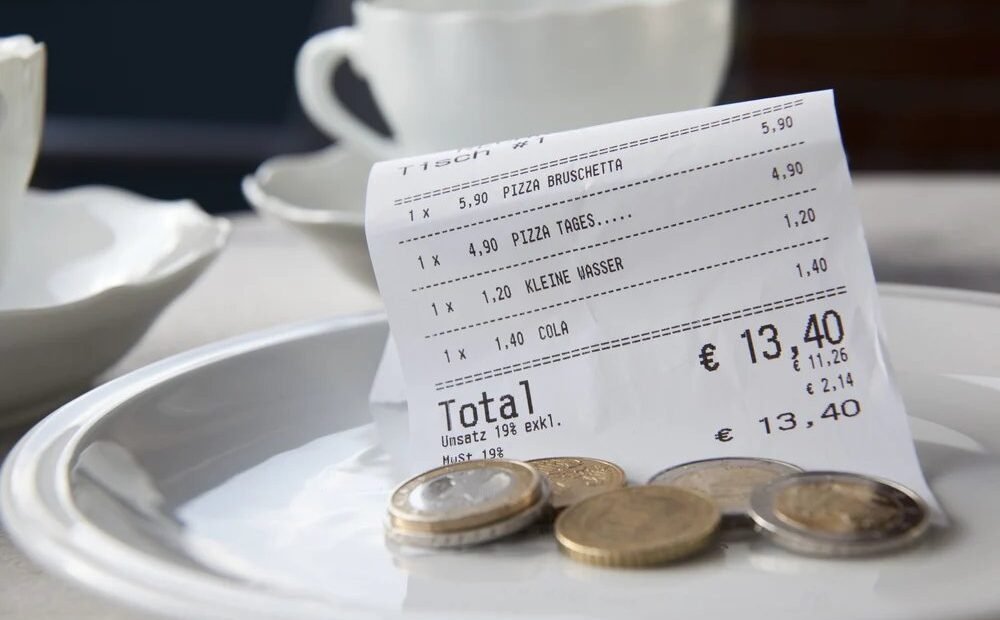
France: service compris — a 15 percent service charge is included by law. Rounding up or leaving 5–10 percent in cash for great service is appreciated but never required. Don’t add 20 percent American-style; it’s unnecessary and marks you instantly. Italy: coperto (cover charge, €1–€3) is standard and not a tip — service is included; rounding up the bill is the local move. Tipping big in Italy is unusual, not generous.
UK & Ireland: 10–12.5 percent is customary, often added as an optional service charge — check the bill before double-tipping. Germany/Austria: round up 5–10 percent, handed directly to the server (‘stimmt so’ — keep the change). Spain/Portugal: service included; rounding up or 5 percent for good service. Scandinavia: service included, wages are high; rounding up is plenty.
Eastern Europe: 10 percent is standard and expected in tourist areas (Hungary, Czech Republic, Poland). Greece: 5–10 percent, often just rounding up. Turkey: 10 percent expected in restaurants. The pattern: Western Europe includes service and expects little extra; Eastern Europe and tourist zones expect closer to 10 percent. Our Italy packing guide covers more Italy specifics.
Asia, Latin America, Africa, and the Middle East
Japan & South Korea: do not tip. It’s not customary and can cause confusion or offense — excellent service is the standard, not the exception. Exception: high-end ryokans have a traditional envelope custom (kokorozuke), but for restaurants, nothing. China: no tipping tradition; don’t tip. Southeast Asia (Thailand, Vietnam, Indonesia): not traditional, but 5–10 percent is appreciated in tourist restaurants — and rounding up for street food vendors is kind.
Latin America: 10 percent is standard in Mexico, Brazil, Argentina, Chile (often included as ‘servicio’ — check the bill). It’s genuinely expected, closer to the US model. Middle East: 10–15 percent in tourist areas (Egypt, Jordan, UAE); in Egypt, small tips (baksheesh) are woven into daily life — keep small bills handy. Israel: 12–15 percent standard.
Africa: South Africa 10–15 percent expected; Morocco 5–10 percent; elsewhere varies — ask locally. Australia/NZ: like Europe — rounding up or 10 percent for great service; not obligatory. The US State Department’s travel pages include cultural notes worth reviewing for less-visited destinations.
Universal Principles (When You Don’t Know)
Rule one: check the bill. Service charges, cover charges, and included gratuities hide under many names (service compris, servizio incluso, cubierto). Tipping on top of an included charge is the most common tourist tipping error worldwide. Rule two: cash tips beat card tips — in many countries, card tips don’t reliably reach staff, and cash in local currency is always right. Keep small bills for this.
Rule three: when uncertain, 10 percent in cash is the global safe default — rarely offensive, usually appreciated, never wildly wrong. Rule four: ask. Hotel staff, tour guides, and fellow travelers know the local norms; a quick ‘is tipping expected here?’ saves embarrassment both ways. Nobody minds the question — they mind the assumption.
And the meta-rule: tipping norms reflect local wage structures, not your generosity. In countries where servers earn living wages, big American tips distort local economics and expectations. Respect the system you’re in — that’s the most generous thing you can do. For budgeting these meals into trip costs, our Hawaii cost guide and NYC weekend guide show how dining fits the bigger picture.
Tip at Restaurants When Traveling Abroad: The Business Traveler
Business travelers face a special tipping challenge: expense reports. The rules: tip the local norm (not the American norm — finance won’t blink at 10 percent in Paris, but 25 percent raises questions), always get itemized receipts (many countries’ receipts don’t show tips clearly — note the tip on the receipt yourself), and know your company’s policy before you go (some cap tips at 15–20 percent regardless of local norms, which creates awkward math in the Middle East). When the local norm exceeds the company cap, that’s a conversation with your manager, not a problem to solve by undertipping the server.
The deeper business-travel point: tipping correctly abroad is part of professional competence. Clients and colleagues notice — the American who loudly over-tips in Tokyo looks as uninformed as the one who stiffs in Cairo. A quick pre-trip check of the norms (this guide, your hotel concierge, a local colleague) is basic preparation, like knowing the greeting customs. Get it right and it’s invisible; get it wrong and it’s the thing people remember about the dinner. Invisible competence is the goal — in tipping as in everything else on the road.
Tipping Quick Reference
- France: service included; 5–10% cash for great service
- Italy: coperto isn’t a tip; round up
- UK/Ireland: 10–12.5%; check for added service charge
- Germany: round up 5–10%, hand to server
- Japan/Korea/China: do not tip
- SE Asia: 5–10% appreciated in tourist spots
- Mexico/Latin America: 10% standard (check for incluido)
- Middle East: 10–15% in tourist areas
- Australia/NZ: round up; 10% for great service
- USA: 18–22% (the outlier — don’t export it)
- Unsure anywhere: 10% cash in local currency
- Always: check the bill first; ask locals
Tip Like a Local
The best tippers aren’t the biggest tippers — they’re the ones who match the local norm gracefully. A 10 percent cash tip in Rome says ‘I respect how things work here’ more eloquently than 25 percent says ‘I’m generous.’
Learn the norm, carry small bills, check the bill, and when in doubt, ask. Then enjoy the meal — which is the point of all of this anyway.