
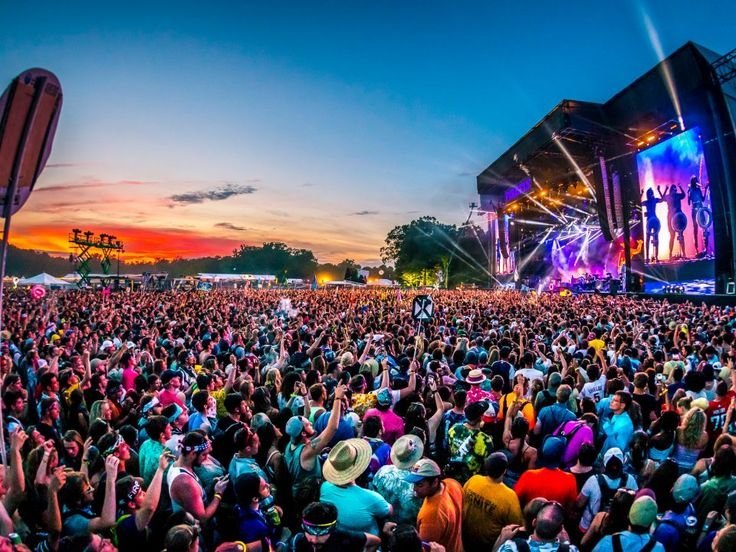
Yes, you can do a major music festival on far less than the headline price, but not by looking at the ticket alone. A $400 ticket commonly becomes a $900 weekend once travel, lodging, food, and drinks are added. Close to half of that $500 gap is optional. It comes from late ticket tiers, hotel pricing, and buying every meal and drink at venue prices. Control those three, and the same weekend can land closer to $500 or $600, often less at a regional event.
Start with that honest all-in number. Add ticket, travel, lodging, food, and a small merch allowance before you commit. Compare it with how much it costs to go to a concert these days and the festival premium becomes clear: you are paying for three days of music, but the costs around the music decide whether the trip feels smart or reckless.
Tickets: where the first $150 is won or lost
Festivals sell passes in tiers. Early tiers reward people who buy before the full lineup frenzy, and final tiers can cost up to 40 percent more for the identical entry. On a $400 final-tier pass, that difference is real money, enough to cover camping for the weekend. Join the festival mailing list, note the presale date, and buy on the first day you have decided to go. Waiting to see if friends commit is understandable, and it is also how groups drift into the most expensive tier together.
Payment plans soften the timing problem. Most major festivals split the cost over 2 to 4 monthly payments with no extra charge, taking a deposit at purchase and the rest in installments. A $400 pass becomes roughly $100 a month. Set autopay and treat a missed payment seriously, since missing one can cancel the ticket and put the deposit at risk.
Two other routes deserve a look. Volunteering trades a few shifts, often in parking, wristbands, or cleanup, for a full-weekend pass. Shifts eat into viewing time, so check which hours are required before you agree. Single-day passes cost more per day but less overall. If only one day’s lineup truly excites you, one strong day beats a full weekend of half-interest, once lodging and food for the extra days are counted.
Lodging: camping is the budget king, timing is second
Nothing else in the budget swings as widely as where you sleep. Festival camping passes commonly run $50 to $150 for the whole weekend. Hotels near the grounds commonly run $200 or more per night, before taxes and parking, which puts three nights above $600. That single choice can double the trip.
Camping also changes the experience, not just the price. Campgrounds develop their own social life, with shared shade, borrowed phone chargers, and late-night acoustic guitars. The downsides are honest ones: heat, noise, shared showers, and the need for a tent that survives rain. Borrow gear the first year instead of buying a full kit. Bring a sleeping pad, since comfort on the ground matters more than the sleeping bag for most people, plus earplugs for sleep.
If camping is out, book the day the lineup drops. Hotel and short-term rental prices near popular festivals can triple as the date nears. Staying 20 minutes outside the festival town often keeps rates sane, provided you have a sober driver or a shuttle route. Price the shuttle or rides into the comparison. A cheaper room that needs $60 of rides each day may not be cheaper at all.
Travel: split, shuttle, and book the boring parts early
Driving with a full car is usually the cheapest way to reach a regional festival. Split fuel and parking four ways and the per-person cost drops sharply. Agree on the split before the trip, in a shared note, so nobody is doing awkward math at a gas station.
Flying adds range and cost. Book early, consider midweek flights, and compare the true total: bag fees, airport parking or rides, and the shuttle from the airport to the grounds. Festival-organized shuttles are often cheaper than parking and remove the worst part of the exit, when thousands of tired drivers leave at once. For industry context on how large these events have become and why prices move the way they do, Pollstar’s concert industry data tracks the touring business behind the posters.
The daily bleed: food, drink, and merch
Inside the gates, small prices repeat until they become a large one. A $12 meal and $15 drinks, three times a day for three days, easily pass $150 per person, and that assumes no snacks, no coffee, and no second round. Nobody plans to spend it. It leaks out an hour at a time.
Use a simple pattern instead. Eat a real breakfast where you sleep: oatmeal, eggs, fruit, and coffee cost a few dollars and carry you to mid-afternoon. Pack portable snacks, granola bars, fruit, and a sandwich where entry rules allow them. Then buy one proper meal inside each day and enjoy it as the day’s treat, rather than grazing at venue prices all day.
Water should cost nothing. Most festivals allow a sealed bottle or an empty refillable bottle and run free refill stations. Buying water at $5 a bottle across a hot weekend is a pure waste of $30 or more. Fill up whenever you pass a station, not only when you are already thirsty.
For drinks, check the rules about your campground. Where alcohol at camp is allowed, a cooler bought at store prices before you head in can replace $60 of venue drinks with about $15 of the same thing. Inside, set a cash cap for each day. Cards and wristband payments feel abstract at midnight. Cash makes the limit physical: when it is gone, the spending is done.
Merch needs the same treatment. Decide on one item in advance and put its price in the budget. A single festival shirt is a fine souvenir. The hoodie plus poster plus vinyl bundle bought in a rush of good feeling is how a controlled budget quietly gains another $200.
Choosing the right festival is the biggest saving of all
The largest budget decision is not how you attend a festival. It is which festival you choose. The famous mega-events carry the highest prices at every layer: tickets, rooms, food, and transport. Regional festivals drawing 5,000 to 20,000 people often cost half as much all-in, with lineups that cover most of what a given listener actually wants to see, shorter lines, and room to sit down.
Genre festivals, jazz and folk gatherings, and city summer festivals sit in the value tier. Many cost under $100, and some are free. Their lineups are often booked by people devoted to one kind of music, which can mean deeper bills and fewer filler acts scheduled only for name recognition. A $40 single day at a regional festival, seeing three artists you love in full sets, can be a better purchase in every way than a $500 mega-festival weekend that leaves you exhausted by the second afternoon.
Run the comparison honestly for two options side by side: ticket, travel, lodging, food, and extras. The cheaper festival is not a consolation prize if the music fits you better. It is the correct choice.
The money questions, answered
Is one day cheaper than the whole weekend? Overall, yes, even though the per-day price is higher. One day means one day of food and drink and often one night of lodging or none. The weekend wins on value only if you will genuinely enjoy most acts on most days. Buy the days you love, not the fear of missing the rest.
How do festival payment plans work? You pay a deposit when you buy, then the balance in 2 to 4 monthly installments, usually at no extra charge. Keep autopay on. A missed installment can cancel the pass, and refunds of earlier payments vary by festival, so read that single paragraph before you enroll.
What should festival camping include? A tent with a rainfly, a sleeping bag rated for the nighttime low, a sleeping pad, a headlamp, a refillable water bottle, sunscreen, a portable charger, baby wipes for the mornings when the shower line is long, earplugs, and a trash bag. A shade canopy, camp chairs, and a cooler turn a survivable camp into a comfortable one.
What is a realistic budget for a regional festival? With an early ticket, shared driving, and camping, many regional weekends land between $300 and $500 per person all-in. A mega-festival with a hotel can pass $900 without any luxury choices. The gap is mostly lodging and daily spending, which is why those two lines deserve your attention first.
One last habit protects all the others. Keep a running total in a notes app as you book each piece, ticket first, then lodging, then travel, so the all-in figure is visible before the daily spending even starts. People overspend at festivals in two stages: first by booking each large cost as if it were the only one, then by treating small daily costs as too minor to count. A single visible total prevents both. Check it the week before you leave, set the daily cash amount from what remains, and then stop adjusting it at the grounds, where tiredness and excitement make every upgrade sound reasonable.
Plan in the order of impact: choose the festival, buy the early tier, camp or book early, share travel, and cap each day in cash. Do those five things and the music, the crowd, and the late discoveries stay exactly the same. Only the bill changes.



2 Comments