The ticket says $100, the checkout says $130, and the full evening for two quietly lands somewhere near $450. None of those numbers is a trick by itself. The gap between them is simply everything a concert actually involves once transport, food, and a shirt enter the picture, plus fees that appear at the last step of buying. Planning with the full list in view turns a nasty surprise into a choice.
The All-In Cost Checklist
Before any detail, here is the complete list to price for a single concert night:
- The ticket itself, which varies more by venue size than by almost anything else.
- Fees added at checkout: service fees, facility charges, and order processing.
- Transport and parking, from a $20 lot to a $60 stadium charge, or the cost of a train or rideshare instead.
- Food and drink inside the venue, where prices bear no relation to prices outside it.
- Merch, most often one shirt bought in a good mood near a well-lit stand.
- Dinner before the show, per person, if the evening starts at a restaurant.
- The dynamic-pricing timing factor, meaning when the ticket is bought can move its price as much as where the seat is.
Sections below price each item in the ranges venues actually charge, then put the list back together into a realistic total for two people.
The Ticket: Venue Size Sets the Range
Ticket prices follow capacity. Smaller rooms cost less per seat and put every seat closer to the stage, while the biggest tours spread enormous production costs across prices that climb steeply for the best locations.
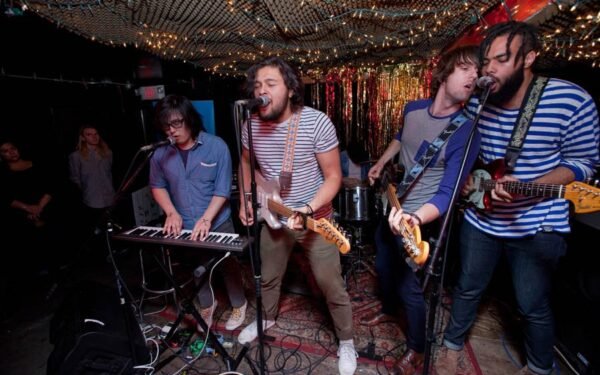
- Club shows: $20–50. Small rooms, standing crowds, and often the best value in live music. Many artists who later headline arenas pass through clubs at this price first.
- Theaters, 1,000–3,000 capacity: $40–120. Seated rooms with strong sound and clear sightlines. For many listeners this is the sweet spot between price and comfort.
- Arenas: $80–250 for decent seats. Prime floor and lower bowl seats run $250–500+ for major artists, where demand concentrates on a limited number of close rows.
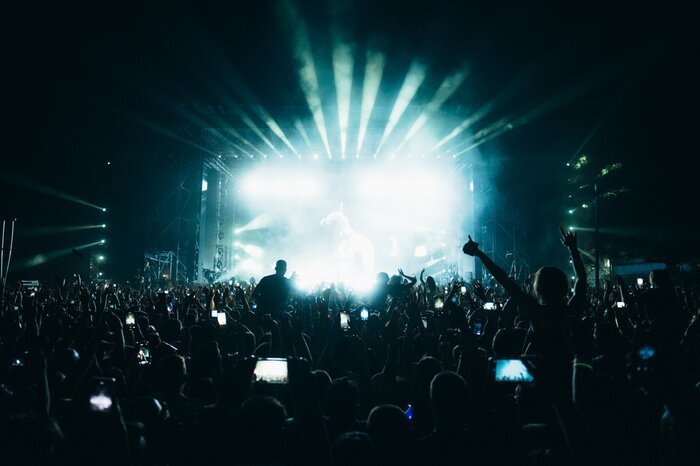
- Stadium tours: $100–600+. The largest productions, with the widest spread between an upper seat and a prime one.
- VIP packages: past $1,000. Bundles that add early entry, lounges, or bundled merch on top of a premium seat.
Genre and demand move a ticket inside its range, and a fast-selling show pushes toward the top of it. For a sense of how the industry itself tracks these numbers across tours, Pollstar’s concert industry box office data is the trade source venues and promoters watch.
Fees: The 20–30 Percent Add-On
Fees are the least popular part of the checklist because they arrive after the buying decision feels made. Service fees, facility charges, and order processing typically add 20–30% to the ticket price. A $100 ticket checks out at $125–130, and a pair of $150 tickets can pass $375 before anything else is bought.
All-in upfront pricing is spreading, where the first price shown already includes the fees. That change makes comparison easier and removes the checkout sting, but the fees remain inside the total. The money is the same; only the moment of honesty has moved. When comparing two sellers or two seat options, compare final checkout totals, never face values.
Transport, Parking, and Getting Home
Parking at arenas and stadiums runs $20–60, with downtown venues often at the high end or beyond it. Driving also adds fuel and the slowest exit of the night, since thousands of cars leave through the same few ramps. Transit, when a line serves the venue, replaces a parking charge with a fare and usually a calmer trip home, though the last train time needs checking against an encore.
Rideshares sit between the two on convenience and can surge hard in the thirty minutes after a show ends. A short walk to a pickup point a few blocks from the venue often cuts both the wait and the surge. For a two-person budget, count transport as a real line item, in the same $20–60 band as parking in most cases, rather than treating it as spare change.
Finding the shows worth this planning is its own step, and how to find concerts happening near you covers the listing and alert tools that surface club and theater dates before they sell out.
Food and Drink Inside the Venue
Inside prices run high because the audience is captive and the evening is short. A beer inside is $12–18. A bottle of water is $5–7, a figure worth noticing on a hot stadium night when two or three bottles per person is normal. Standard arena food, such as a hot dog, nachos, or a slice, sits in the same general band as the beer rather than the water.
Two people having two drinks each can add $50–70 without ordering anything that feels like a purchase decision. Eating a real meal beforehand and treating venue spending as one planned drink each is the simplest control. Water first is the other one: buying water early prevents the late-show purchase made purely out of thirst at any price.
Merch and Dinner: The Two Optional Lines
A headliner t-shirt runs $40–60. Hoodies and limited items cost more, and the stand is placed exactly where the post-show mood is warmest. None of that makes merch a bad buy; a shirt worn for years is better value than most souvenirs. It does mean merch should be a decision made before the show, with a rough limit, rather than a surprise discovered on the card statement.
Dinner before the show runs $30–60 per person at a sit-down place near the venue. For two, that is $60–120, the second-largest line on many nights after tickets. A cheaper pattern works well: eat a proper meal earlier and away from the venue district, then let venue food be a snack instead of dinner. Arriving fed also shortens the concession line problem, since there is no need to join it before the music starts.
Adding It Up: Two People at an Arena Show
Take a mid-range arena night for two. Tickets at $120 each come to $240, fees at roughly 25% add about $60, and parking lands at $40. One drink and water each inside adds around $40. One shared shirt decision, or one shirt for one person, adds $50. Dinner beforehand at $45 per person adds $90. The total is about $520, inside the realistic all-in range of $300–600 for two at an arena show.
Trim three lines and the same show changes character. Skip the shirt, eat affordably before leaving home, and take transit, and the evening falls toward $340. Add prime seats instead of decent ones and the ticket line alone can double, pushing the night past $800 without any other choice changing. That spread is why the checklist matters more than any single average price: a concert is not one cost, it is seven smaller ones that each respond to a decision.
Dynamic Pricing: Why the Same Seat Changes Price
Dynamic pricing means ticket prices move with demand, much like airline seats. When a show goes on sale and demand surges, prices for remaining seats rise. When demand cools or a date approaches with seats unsold, prices can fall. The seat has not changed. The number of people competing for it has.
That system punishes one particular moment: the panicked middle, days after on-sale, when a buyer fears missing out and pays the peak for a seat that was cheaper at on-sale and may be cheaper again later. Buying early or very late beats the panicked middle in most cases. Early buyers get on-sale prices before the surge. Very late buyers, in the final day or two, sometimes catch resale prices dropping as sellers cut their losses, though that route carries the risk that a must-see show simply sells out.
How to Pay Less
- Use presales. Fan-club and credit-card codes open buying windows before the general sale, at standard prices, before dynamic pricing ramps up. Signing up for an artist’s mailing list is usually enough to receive a code.
- Buy at on-sale rather than resale. The first official sale is almost always the cheapest reliable moment. Resale should be the fallback for a sold-out show, not the default.
- Choose weekday shows. A Tuesday date for the same tour often prices lower and sells slower than the Saturday date in the same city.
- Choose smaller venues. A $30–50 club show or a $60 theater ticket delivers a full evening of live music at a fraction of an arena total, and the checklist shrinks with it: cheaper parking, cheaper drinks, shorter lines.
- Set the extras budget in advance. Decide the merch and drinks plan before arriving, when the numbers are calm, rather than at the stand after a favorite song.
None of these tactics requires luck. They are timing and venue choices available to any buyer, and together they routinely move a night from the top of the $300–600 band toward the bottom of it. A concert habit built on club and theater shows, with one arena night saved for an artist who truly matters, costs less across a year and usually produces better memories per dollar. The checklist stays the same at every level; only the size of each line changes.
One last habit ties the checklist together: price the whole evening before buying the ticket, not after. Add the fees, pick a transport plan, decide on dinner, and set the merch limit while the seat map is still open. If the total fits, buy with confidence and stop second-guessing the cost at the venue. If the total does not fit, change the seat or the venue while changing it is still free. That five-minute exercise is the difference between a night that feels expensive by accident and a night that was chosen, priced, and enjoyed on purpose.