
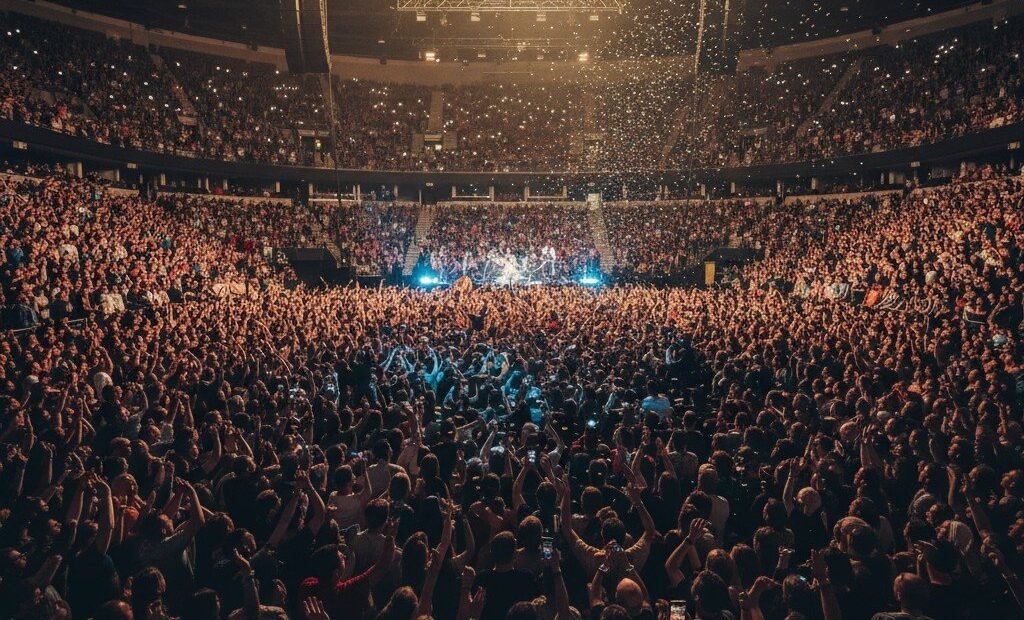
A favorite band played a 300-person club across town last Thursday, and the news arrived on Friday, secondhand, from somebody’s Instagram story. That sting is familiar to almost every music fan, and it is rarely a matter of bad luck. The show was announced. The tickets were public. The information simply never reached the right person in time. Finding concerts nearby is a systems problem, and systems can be built. Set the system up once, feed it monthly, and sharpen it during show week, and the Friday-morning regret mostly disappears.
Phase One: The One-Time Setup
The setup takes about five minutes, and those five minutes buy years of alerts. Start with the two dedicated concert trackers. Bandsintown lets a listener follow favorite artists and sends an alert the moment one of them announces a show nearby. Its recommendations are drawn from listening on Spotify or Apple Music, so the suggestions tend to match real taste rather than chart noise. Set up an account there through Bandsintown’s concert alerts and artist tracking and follow every artist that matters, not just the top five. The artist followed casually three years ago is often the one playing the tiny room.
Songkick does the same core job with a slightly different feel, and its email alerts are excellent. Running both is not overkill. The two services have different promoter and venue ties, so each occasionally catches a show the other misses, and redundancy is exactly what a good alert system wants. Next, turn on the concerts feature inside the streaming app already in daily use. Artist pages on the major services list upcoming shows with ticket links, personalized automatically from listening history. It costs no extra setup beyond noticing the section exists.
Finish the setup inside the ticketing apps. Create accounts with Ticketmaster, AXS, and Dice, and set the home location in each one so nearby browsing actually means nearby. Dice deserves a special note: it is especially strong for electronic, hip-hop, and club shows, the corners of live music that the big platforms under-serve. A fan whose taste runs toward small rooms and late nights may find Dice more useful than the giants. With trackers following artists, streaming surfacing shows, and ticketing apps set to the right city, announcements start arriving on their own.
One habit makes the setup far stronger: follow broadly, not narrowly. Favorite artists are the obvious start, but opening acts, side projects, and the artists listed as similar on a streaming page are where surprise club shows hide. A band discovered as an opener often tours small rooms for a year or two before graduating, and catching that window is the single best value in live music. Festivals deserve a follow as well, even for fans who rarely attend them, because festival lineups announce dozens of touring artists at once and often signal which of them will add club dates in nearby cities around the same weekend. Record labels with a strong live roster are worth a follow for the same reason. Each extra follow costs nothing, takes seconds, and widens the net in exactly the places where big announcements are quietest.
Location settings need one honest check during setup. Apps default to a current location, which may be a work address, a travel city, or a vague metro area that excludes the suburban rooms where many tours actually stop. Set the radius generously, wide enough to cover every venue reachable on a weeknight drive, because an alert for a show forty minutes away that never arrives is worse than an alert that can be ignored. Fans near a state or city border should set two locations if the app allows it. Music does not respect the boundary an app draws around home.
Phase Two: The Monthly Rhythm
Setup catches the artists already known. The monthly rhythm catches everything else, especially the small shows. Once, and then with a quick refresh now and then, list every venue in the city, from a 100-capacity club to the arena across town, and follow them all. Venue announcements often precede the aggregator apps, sometimes by days, because a room posts its own calendar before listings spread. A monthly pass through those calendars takes minutes and surfaces the shows no algorithm was going to push.
Local music press does similar work. Weekly papers, city Substacks, and local Instagram accounts built around a scene break small-show news early and add context the apps never carry: which opener is worth arriving early for, which room has terrible sightlines, which night is a benefit show. College and public radio belong in the same habit. Stations announce presales on air and run ticket giveaways that never get wide promotion, and their DJs tend to know a scene deeply. Keeping an ear on one local station is a low-effort channel with outsized returns.
The payoff of this rhythm is concentrated in the small clubs. Big tours announce loudly and sell through every channel at once. A 200-capacity room relies on its own list, local press, and word of mouth. Those rooms are also where tomorrow’s headliners play for twenty dollars tonight, in front of a crowd close enough to see the setlist taped to the floor. Anyone weighing whether the small-show habit is worth the ticket math can compare it against how much it costs to go to a concert these days and see how heavily cheap club nights pull the average down.
The monthly rhythm also creates a simple personal calendar habit. When a show gets announced for a date months away, save it immediately, even before tickets are in hand, with the on-sale date noted alongside the show date. Two dates, two different jobs: one to buy, one to attend. Mixing them up is a surprisingly common way to miss both. A shared calendar with a partner or close friends doubles the value, since one person’s announcement becomes everyone’s early warning, and group plans form while tickets are still cheap and plentiful. Over a season, that calendar becomes a map of the local scene, and patterns emerge — which rooms book the best autumn tours, which promoters favor certain nights — that make the next season’s hunting faster still.
Phase Three: Show Week, Catching Tickets Before They Vanish
Discovery is only half the job. The other half is acting while tickets still exist at face value. For favorite artists, presales are the main tool. Artist mailing lists and venue lists both send presale codes, often a day or two before the general sale, and those early windows hold the best seats at the original price. Joining a list takes seconds during setup and pays off for years.
Alarms matter as much as codes. Set a phone alarm for the exact on-sale time of any show that matters, because popular rooms can sell out in minutes while a notification sits unread. Buying at the general on-sale, promptly, almost always beats drifting into the resale market later, where prices climb and fees stack up. The calm sequence looks like this: alert arrives, presale code noted, alarm set, tickets bought at on-sale. It feels almost boring, and boring is the point. Drama in ticket buying usually means overpaying.
For a show that does sell out, official resale channels inside the same ticketing apps are the safer fallback, and patience helps there too, since prices often soften close to the date as sellers lower their sights. Same-day box office drops also happen when venues release held seats, so a polite check on show day is worth making for a must-see artist.
Show week has one more quiet tactic: check back. Venues and promoters release small batches of tickets as a date approaches, when production plans settle and held seats are freed. A sold-out listing on Monday is not always a sold-out room on Thursday. Checking the official listing once a day during show week costs a minute and occasionally produces the exact outcome the whole system is built for — face-value tickets, bought calmly, for a show that looked long gone. Pair that with a willingness to go on a weeknight, when demand and prices both dip, and the odds improve again. Some of the best live music memories happen on Tuesdays, in half-full rooms, in front of bands playing like the weekend already started.
Phase Four: The Human Network
The final layer is not an app at all. Tell friends, plainly, that show tips are welcome. A casual sentence — send anything good that crosses a feed — turns a whole social circle into scouts, each watching different corners of a scene. Join local music groups online, where fans share presale codes, spare tickets at face value, and warnings about shows selling fast. Those groups catch the hyperlocal news that no national platform bothers with.
Ask record store staff. It sounds old-fashioned because it is, and it works because the people behind that counter hear about small shows early, know which local bands are drawing crowds, and happily share tips with anyone who asks a real question. Bartenders and door staff at favorite clubs belong in the same category. Local humans with their ears to the ground beat algorithms for small-show tips, every time, because algorithms rank what is already popular and people report what is about to be.
Keep the whole system light enough to survive a busy month. Two tracker apps, a handful of venue follows, one local station, and a few generous friends are plenty. A system with twenty noisy channels gets muted, and a muted system catches nothing at all.
Put the layers together and the picture changes. Alerts handle the favorites, venue lists and local press handle the city, presale habits handle the buying, and friends and record store staff handle everything the software misses. Missed shows stop feeling like fate. They become what they always were: a fixable systems problem, and the system, once built, mostly runs itself.



2 Comments