
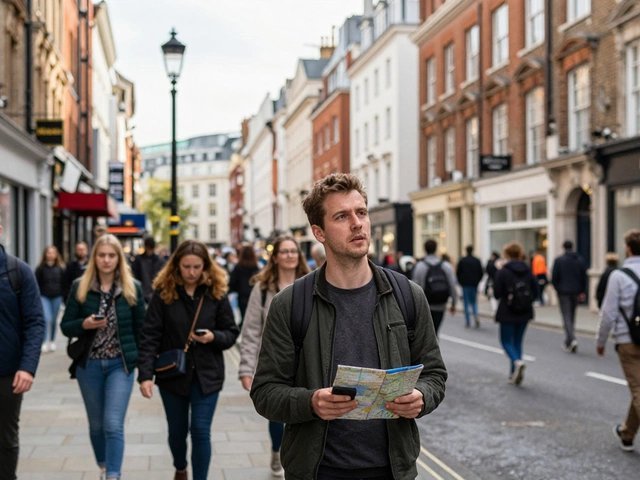
I’ve been pickpocketed in Barcelona (my own fault — back pocket, crowded metro), short-changed by a ‘friendly’ currency exchanger in Prague, and nearly roped into a Times Square CD scam in my own country’s city. Tourist scams aren’t about intelligence — they’re about being in an unfamiliar place with your guard down.
Learning to avoid tourist scams in popular cities isn’t about paranoia; it’s about pattern recognition. Scammers worldwide use the same dozen playbooks with local costumes. Learn the patterns once and you’re protected everywhere from Paris to Bangkok.
Here are the 15 most common scams and exactly how to beat each.
The Classics: Pickpockets, Distractions, and Overcharging
Pickpocketing is the number-one tourist crime worldwide — Barcelona, Rome, Paris metros are infamous. The defense: zippered crossbody bag worn in front, nothing in back pockets, minimal valuables carried. The distraction variants (someone ‘accidentally’ spills on you, a child shoves a newspaper in your face, a ‘helpful’ stranger points at your shoe) all work the same way — one person distracts, another lifts. If a stranger creates a commotion around you, your first move is hands on valuables, second move is walk away.
Taxi scams: rigged meters, ‘scenic routes,’ and the ‘hotel is closed, I’ll take you to my cousin’s’ routine. Beat them with ride-hailing apps (fixed price, GPS tracked), agreeing on the fare before getting in where apps don’t exist, and never accepting a ride from someone who approaches you inside the terminal. Our airport to downtown guide covers safe arrival transport city by city logic.
Overcharging: the menu without prices, the ‘special’ that’s triple price, the currency confusion (paying in the wrong denomination — a classic with unfamiliar bills). Always confirm prices before ordering, pay in local currency (see our currency exchange guide), and count your change. In restaurants, check the bill line by line — ‘mistakes’ favor the house with suspicious consistency.
The Social Engineering Plays
The friendship bracelet / rose / ‘free’ gift: someone ties a bracelet on your wrist or hands you a rose, then demands payment aggressively. The move: hands in pockets, firm ‘no,’ keep walking. Don’t engage, don’t accept, don’t stop — engagement is the hook. Same for the petition clipboard (while you sign, an accomplice picks your pocket) and the ‘I know your hotel’ guys.
The fake official: ‘police’ asking to see your wallet for counterfeit checks, ‘tourist officials’ selling required permits, ‘hotel staff’ calling about your credit card. Real police don’t inspect wallets on the street — ask for ID and offer to walk to the nearest station; fakes vanish. Never hand your passport to anyone except at official counters; carry a photocopy for daily use.
Online variants are growing: fake rental listings (never wire money — use platforms with protection, and read our Airbnb first-timer guide), fake attraction tickets (buy from official sites only), and the ‘stranded traveler’ Venmo scams. The FTC’s travel scam alerts track current variants — worth a skim before any big trip.
The Mindset That Protects You
Scammers exploit four tourist vulnerabilities: unfamiliarity (you don’t know normal prices), politeness (you don’t want to be rude), greed (the deal too good to be true), and distraction (you’re overwhelmed). The defense is one mindset: it’s okay to be rude to strangers. ‘No,’ walking away, and ignoring people are complete social strategies abroad. Your manners are for people who’ve earned them.
Do 15 minutes of research per destination: common scams (search ‘[city] tourist scams’ — travel forums keep current lists), normal taxi fares, and the local emergency number. Forewarned is forearmed, and the patterns repeat enough that one city’s research protects you in the next.
Finally, trust the unease. If something feels off — the too-friendly stranger, the deal that’s too good, the situation that’s escalating — leave. Your instincts process thousands of cues your conscious mind misses. The scam you walk away from costs nothing; the one you politely endure can cost plenty. Separate your valuables (daily cash, backup cash, cards in different places) so even a successful scam is a bad day, not a ruined trip.
Avoid Tourist Scams in Popular Cities: The Arrival Protocol
The first hour in a new city is when you’re most vulnerable — tired, disoriented, loaded with luggage, and obvious. So run an arrival protocol. Before landing: screenshot your route to the accommodation, have local currency for the transit fare, and know the address in the local language/script. On arrival: ignore everyone who approaches you inside the terminal (legitimate services don’t solicit), follow the signs to official transit/taxi ranks, and keep valuables in the front-worn bag from the first step. The protocol sounds paranoid; it’s just the travel equivalent of looking both ways.
The deeper defense is tempo. Scammers rush you — the ‘limited offer,’ the ‘come now,’ the manufactured urgency. Your counter is slowness: pause, look around, check your phone, say ‘maybe later.’ Nothing legitimate in travel requires an instant decision from a tired stranger. The pickpocket needs your distraction; the overcharger needs your confusion; the ‘helper’ needs your gratitude. Deny them the tempo and most scams collapse before they start. Stay slow, stay observant, and enjoy the city — which is, after all, why you came.
15 Common Tourist Scams & Defenses
- Pickpockets: zippered front crossbody; nothing in back pockets
- Distraction spills: hands on valuables, walk away
- Taxi meter rigs: ride-hailing apps; agree fare first
- ‘Hotel closed’ redirect: never accept terminal solicitors
- Friendship bracelet/rose: hands in pockets, firm no, keep walking
- Petition clipboard: don’t stop, don’t sign
- Fake police: ask for ID; offer to go to the station
- Menu without prices: confirm prices before ordering
- Currency confusion: learn the bills; count change
- Fake rentals: platform only, never wire money
- Fake tickets: official sites only
- ATM helpers: never let strangers ‘help’ at ATMs
- Spiked drinks: watch your drink; buddy system
- Gem/jewelry shop detour: the ‘lucky’ deal is always fake
- Overfriendly bar friend: the tab will be astronomical
Confident, Not Paranoid
The goal isn’t fear — it’s fluency. Locals navigate these cities safely every day, and with 15 minutes of research and the patterns above, you will too. Most travel is wonderful and most strangers are kind; the scams are just a tax on the unprepared that you now don’t have to pay.
Stay alert, trust your gut, and enjoy the city. That’s the whole security plan — and it’s enough.




1 Comment