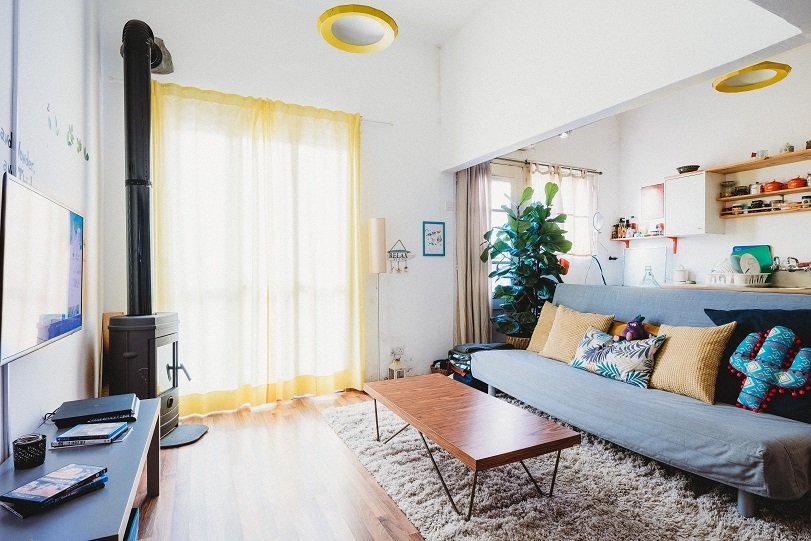
The listing said “cozy.” It said “cozy” three times, in fact, and the photos — shot with a wide lens from the corners, in golden light — showed what looked like a charming apartment. What the first-timer learns on arrival, standing in a room the size of the photographs’ blind spot, is that Airbnb is a marketplace of individuals, not a hotel chain: the range runs from superb to swindle, and the sorting is done by the guest, in advance, with skills nobody teaches. None of this is an argument against the platform — at its best, a rental gives you a kitchen, a neighborhood, and twice the space of a hotel for the same money. It is an argument for going in as a reader of listings rather than a browser of photographs. First stays go wrong in predictable ways, and each one is preventable.
Mistake 1: Booking the photos instead of the reviews
Photographs are advertising; reviews are evidence. The first-timer’s most expensive habit is falling for the hero shot and skimming the stars. Read the reviews in a specific way: start with the three- and four-star ones, which are the honest middle — five-star reviews tell you someone was happy, one-star reviews sometimes tell you about the reviewer, but the middle grades name the recurring realities (street noise, a tired mattress, the twenty-minute walk described as five). Look for patterns across months, not single complaints, and check the dates: a listing with no reviews in eight months may have changed hands, been renovated, or been re-listed after problems. Count the bedroom, bathroom, and kitchen photos in the listing itself — a missing bathroom photo in a proud listing is a message.
Mistake 2: Believing the nightly price
The price on the search page is the beginning of the price. Add the cleaning fee ($50–$200 is common — and on a one- or two-night stay it can rival the rent itself), the service fee (around 14 percent), occupancy taxes, and any extra-guest or pet charges, and a $100-a-night listing for two nights can honestly total $350. Price every stay on the all-in number for your dates, shown on the final booking screen, and compare that number — not the teaser rate — against hotels. The math flips with duration: for three nights and longer, rentals usually win on space and kitchen value, and weekly or monthly discounts set by hosts (commonly 10–30 percent) make longer stays genuinely cheap. For a single night in an expensive city, a hotel is often the honest bargain — which is why the same traveler should know both games; our companion guide on how to find affordable hotels in expensive cities covers the hotel side of the comparison.
Mistake 3: Skipping the house rules and the host check
The house rules are the contract’s small print and they contain the trip’s landmines: check-in windows, quiet hours, guest limits, whether the kitchen is truly usable, whether “parking” means a garage or a suggestion. Read them before booking, not at midnight on arrival. Check the host, too: response time and rate are displayed for a reason — under an hour and around 95 percent or better is the profile of a host who treats this as a job — and Superhost status, while not a guarantee, correlates strongly with listings that match their descriptions. Message the host one real question before booking (about check-in, the coffee setup, the stairs) and judge the answer’s speed and tone; you are interviewing your landlord for the weekend, and this is the only interview you get.
Mistake 4: Taking the conversation off the platform
Everything — messages, payment, complaints — stays inside Airbnb, without exception. The moment a “host” asks to continue by email or pay by wire transfer, you have left every protection the platform offers, and this is the shape most outright scams take. The platform’s protection program, Airbnb’s AirCover protection page spells out, covers rebooking and refunds for significant problems — an inaccurate listing, a host cancellation, a place that is not as described — but it only works for stays booked and documented on the platform. Complete your own profile fully before requesting to book: hosts screen guests too, and a verified profile with a photo and a sentence about the trip gets faster, warmer acceptances.
Mistake 6: Booking a room when you needed a home
Airbnb sells three different products under one search box — an entire place, a private room in someone’s home, and a shared room — and the price sort cheerfully mixes them. First-timers regularly book a private room believing they have rented an apartment, and discover the shared bathroom, the host’s kitchen schedule, and the thin door at the moment of arrival. Neither product is wrong; the mismatch is. An entire place is the hotel substitute and the right default for a first stay, a family, or anyone who values a lockable door and their own bathroom. A private room is a legitimate budget tool for a solo traveler who will be out all day and enjoys local company. Filter deliberately, read which one you are actually getting, and check who else lives there and where the bathroom sits. The listing always says — this mistake is only ever a reading failure, and it is the most avoidable one on this page.
One more first-timer blind spot hides in the search filters themselves: the map lies politely. Listings are pinned to neighborhoods rather than exact addresses until you book, and “five minutes to the center” in a listing’s prose is sometimes twenty-five on foot. Cross-check the neighborhood, not the pin: search the area name for its character, its late-night noise, its distance from the station you will actually use, and whether the streets in the listing’s own photos look like the streets of that district. A slightly less pretty apartment in the right neighborhood beats a beautiful one marooned across town every single trip, because location is the one feature of a stay that no amount of interior charm can fix after arrival.
The correct way, in one pass
Assemble the five fixes into a single booking pass and a first stay becomes routine. Filter to entire places with strong recent reviews; open the three- and four-star reviews and read for patterns; confirm the host’s response record and send one real question; price the all-in total against hotels for your exact dates; read the house rules and the cancellation tier as if you will need them, because one day you will; book and pay on the platform, with a complete profile behind you. Then travel like a professional: confirm the check-in process the day before, photograph the place on arrival, raise problems through the app within the first day, and leave the honest review at the end that the next first-timer will depend on — the same review you wished had been there for you. That is the whole craft. Airbnb at its best really is magical: the Lisbon apartment with the tiled kitchen, the cabin with the hot tub, the studio where you lived like a local for a week. The magic is not luck. It is what remains after the mistakes are removed.
Mistake 5: Arriving without a plan for problems
Even good listings have bad days, and the first-timer’s edge is a boring procedure: on arrival, walk the place with your phone and photograph anything broken, missing, or unlike the listing; test the lock, the hot water, and the Wi-Fi in the first hour, not the first morning. If something is genuinely wrong, message the host through the platform immediately (the timestamp matters), give them the chance to fix it, and escalate to Airbnb support within 24 hours if they do not — protection programs run on prompt, documented reports. Know your cancellation policy tier before you book, since the difference between Flexible (full refund up to 24 hours before check-in), Moderate (five days), and Strict (48 hours for a full refund, then partial) is the difference between a changed plan and a sunk cost. Most first stays go fine. The ones that go wrong go wrong in these places — and now none of them has your name on it. Treat the first booking as a skill rep rather than a leap: pick a well-reviewed entire place, in a neighborhood you have verified, for a trip where a hiccup would be a story rather than a disaster. Everything after that first stay is refinement — negotiating a late checkout with a host you now know how to read, spotting the underpriced new listing with confidence, knowing exactly which fee a short stay makes absurd. The platform rewards the reader. Be the reader from booking one, and the much-feared first stay turns into what it was supposed to be all along: a key in a lockbox, a kitchen that is yours for the weekend, and the pleasant discovery that the listing, this time, undersold the place. That discovery — the good surprise, earned by diligence rather than luck — is the moment first-timers become regulars, and regulars become the reviewers the next nervous beginner will trust at midnight before their own first booking.