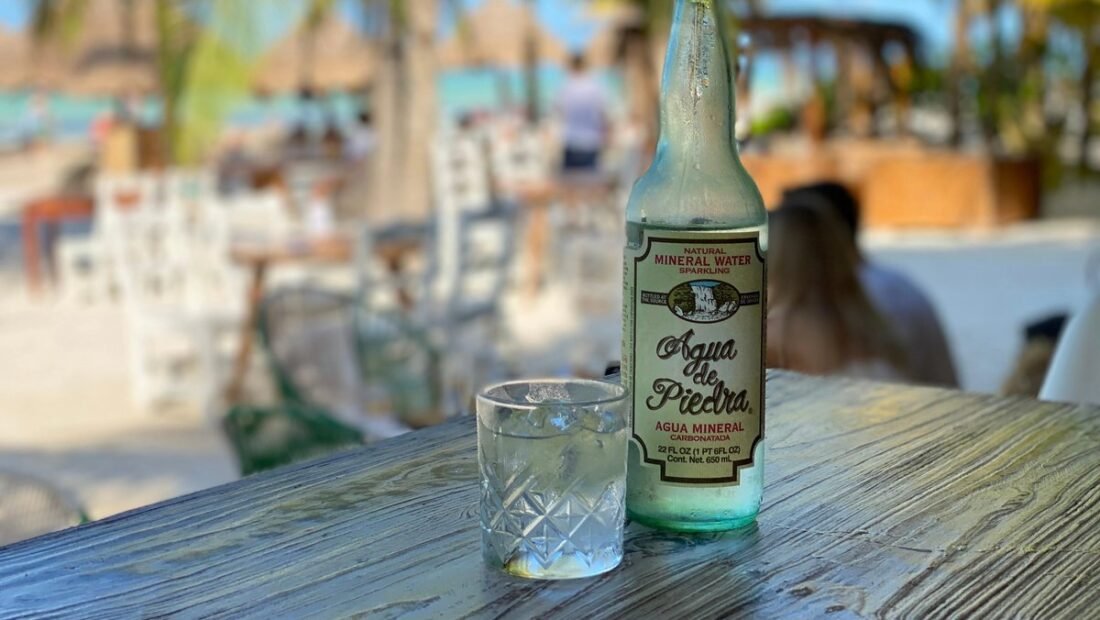
Can you drink the tap water in Mexico? The short answer: don’t. And the most persuasive evidence is not a warning label — it is the behavior of Mexicans themselves. Homes, restaurants, and hotels across the country run on purified water delivered in big refillable jugs called garrafones; the water truck routes are as ordinary a part of the week as the trash pickup. A country of 130 million people has organized its daily life around not drinking straight from the tap, and the visitor who decides to test the system personally is not being brave — just uninformed. The longer answer below explains why, what to do instead, and how to enjoy everything Mexico serves without spending two days of the trip in the bathroom.
Why the tap is a gamble even where the water is treated
Mexico’s big cities largely treat their municipal water to a reasonable standard at the plant. The problem is the journey after the plant: aging pipes, rooftop storage tanks (tinacos) that vary wildly in how often they are cleaned, intermittent pressure that can pull contaminants into lines, and building-level plumbing of every age and quality. Water that left the treatment plant fine can arrive at your tap a very different product, and this varies street by street and building by building — which is why blanket statements in either direction are useless. The pathogens that matter to travelers are the classics: bacteria like E. coli, viruses, and parasites such as Giardia, any of which can turn a taco tour into a lost weekend. Your home gut is also simply not calibrated to the local microbe mix; residents carry adaptations built over years that a visitor does not, which is why a local might tolerate something that flattens you.
The safe hydration system, piece by piece
The working system is boring, cheap, and total — which is why it works. Drink purified water: sealed bottled water (check that the seal cracks when you open it), or water from the garrafón in your rental, which is the same water the household drinks. Restaurants serve purified water and make their ice from purified water too — the factory-made ice, recognizable by its cylindrical shape with a hole through the middle, is safe, and the busy places travelers worry about most are the ones with the strongest incentive to keep it that way. Use bottled or purified water for brushing your teeth, keep your mouth closed in the shower, and be thoughtful at the margins: rinse a water bottle’s mouth before drinking from it, and let a suspicious tap run a moment before filling a glass to rinse (not to drink). That is also the advice given in official form by the CDC’s food and water safety guidance, which adds the food rule that pairs with it: hot and freshly cooked beats lukewarm and sitting out, everywhere on earth.
Salads, fruit, street food: the nuance
The old commandment “cook it, peel it, or forget it” is still decent guidance, but Mexico rewards a more calibrated version. Fruit you peel yourself — mangoes, bananas, oranges — is safe and glorious. Berries and leafy salads are the genuine risk category since they are typically rinsed in local water; in homes and good restaurants they are commonly disinfected with a soak in water treated with microbicidal drops (a real and ubiquitous Mexican practice), which brings them back onto the menu for most travelers, while the cautious will simply skip raw greens at informal spots. Street food, counterintuitively, is often safer than the mid-range tourist restaurant: a stall with a line of locals, everything cooked to order at high heat in front of you, and turnover so fast nothing sits around is a good bet — and eating where the turnover and hygiene are best is also why tipping decently at the busy places matters (the local custom is around 10 percent, as our guide to how much to tip at restaurants when traveling abroad breaks down). The highest-risk meal in Mexico is the lukewarm buffet that has been steaming gently since noon. Heat and freshness are the whole game.
What about resorts and big hotels?
Large resorts and international hotels are the closest thing to an exception: many run their own purification systems, post signs saying the tap is treated, and use purified water in their kitchens. Even there, most Mexican travelers still reach for the bottled water provided in the room — treat the resort tap the way the staff do. If a property explicitly guarantees potable tap water through its own system, brushing teeth is a reasonable use; drinking glasses of it daily is a confidence you do not need to have. In smaller towns and rural areas, assume nothing: the purified-water shop (purificadora) exists in nearly every town precisely because the tap is not the system. Refillable-bottle stations in hotels and rentals draw from those same purified supplies and are safe.
If you get sick anyway
It happens to careful people too, so know the protocol. Most traveler’s diarrhea in Mexico is bacterial, peaks fast, and resolves in 24–48 hours. Hydrate aggressively with oral rehydration salts — not just water, since you are losing electrolytes — eat blandly (bananas, rice, toast, plain broth), and rest. Pharmacists in Mexico are knowledgeable and pharmacies are everywhere; a pharmacist can point you to rehydration products and, where appropriate, medication. Seek real medical care promptly for the red flags: fever over 101°F, blood in the stool, signs of dehydration (dizziness, very dark urine, confusion), or symptoms that run past three days. Prevention, though, beats every remedy: it costs almost nothing to run the purified-water default for a whole trip, and it buys back the two things a vacation cannot replace — days, and appetite.
Children, older travelers, and tender stomachs
The system tightens for the vulnerable. Children dehydrate faster and complain later, so for them the purified-water rule extends to everything: no tap-rinsed cups shared around, extra care with ice in drinks at informal places, and snacks from sealed packages on travel days. Travelers with sensitive stomachs, immune issues, or a history of one bad oyster ruining a year should add two layers: eat the first day’s meals at your hotel or a busy, reputable restaurant while your gut acclimates, and favor cooked vegetables over raw ones for the whole trip — Mexico’s cooked food culture (soups, salsas cooked into stews, grilled everything) makes this no hardship at all. Pack the rehydration salts from home rather than hunting for them while ill; they weigh nothing and pharmacies, while excellent, are a miserable errand at 3 a.m.
Alcohol, margaritas, and the lime wedge question
Beer, spirits, and bottled drinks are safe — alcohol production involves its own controls and the bottles are sealed. The classic worry, the margarita, comes down to its ice, which at any real bar is the same factory-purified ice discussed above; order with confidence at established places and skip frozen drinks from carts you would not eat from either. The lime wedge on the rim is a garnish, not a hydration strategy — it is rinsed produce at the margin of the meal, and most travelers eat around such details without incident; the fastidious can simply not squeeze it in. What deserves genuine respect is quantity: altitude in Mexico City (over 7,000 feet) and beach heat both amplify alcohol, and dehydration is the multiplier behind most “the water got me” stories that were, on inspection, two margaritas and no lunch. Drink the purified water like it is your job, and the rest of Mexico’s table — including the glasses raised at it — is yours to enjoy.
Quick answers to the questions everyone asks
Is the ice safe? At established restaurants and bars, yes — it is factory-made from purified water; the cylinder-with-a-hole shape is your visual check. Can I have a salad? At good restaurants, very likely fine (disinfected produce is standard practice); from informal stalls, skip it. What about coffee, tea, and soups? Safe — the water was boiled. Is it safe to swim? Pools and the sea are not the issue; just avoid swallowing mouthfuls, as you would anywhere. Should I bring a filter bottle? A quality purifier bottle is a fine backup for excursions and small towns — a convenience layer on top of the purified-water habit, not a replacement for thinking. The summary fits in one line: in Mexico, drink the water everyone around you drinks, from the jug and the sealed bottle — and then order the second helping of everything else without a worry in the world. Travelers sometimes hear all of this as a warning about Mexico. It is the opposite: Mexico’s food culture runs on freshness, turnover, and heat, and its purified-water system is one of the most complete in the travel world, present in every price of hotel and every size of town. Learn the one simple rule and the country’s tables — street stall to white-tablecloth — are open to you in a way they never are to the visitor who spends the trip afraid of the menu.