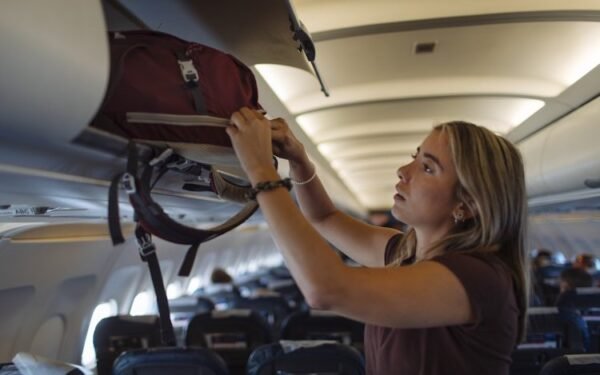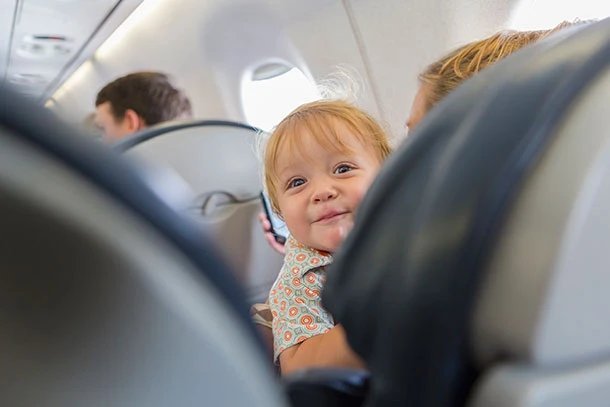
The parents across the aisle are already glaring and you haven’t even boarded. Take a breath. I’ve flown long-haul with toddlers multiple times — including a 14-hour marathon — and I’m here to tell you it’s survivable, sometimes even pleasant, if you prepare like it’s a military operation and expect chaos like it’s a toddler. Every parent planning to “travel with a toddler on a long flight” faces the red-eye question — here’s my honest take after trying both.
Traveling with a toddler on a long flight is 80 percent preparation, 20 percent luck. You can’t control the luck, but you can absolutely nail the preparation: the right seats, the right bag, the right timing, and the right expectations.
Here’s the full survival guide from parents who’ve been there.
Before Boarding: Seats, Timing, and Strategy
Seat selection matters enormously. Bulkhead rows (with bassinets for under-2s on many international carriers — reserve early, they’re limited) give floor space for playing. Otherwise, the window seat contains the toddler (no escape into the aisle) while the aisle seat gives the parent freedom to walk the baby. Book the bassinet the moment you ticket — they go fast. And consider the flight time strategically: overnight flights align with sleep; some parents swear by them, others by daytime flights where the kid can play — know your child’s pattern.
Pack the carry-on like a survival kit: diapers (one per hour of travel, plus extras), wipes (more than you think), two full changes of clothes for the toddler AND one shirt for you (blowouts respect no one’s wardrobe), snacks (endless snacks — puffs, pouches, crackers, plus a few treats), spill-proof cup, and comfort items (lovey, pacifier, blanket). New toys they’ve never seen — wrapped in layers for unwrapping entertainment — outperform familiar ones. Sticker books, water-reveal pads, and painter’s tape (stick it everywhere, peel it off) are parent-tested gold.
Feed during takeoff and landing — nursing, bottle, or snacks. The swallowing equalizes ear pressure and prevents the screaming descent that terrifies first-time parents. The FAA’s guidance on child safety covers car seats and restraints: kids under 2 can fly as lap infants domestically, but a car seat in a purchased seat is significantly safer — and gives the toddler a familiar sleep container.
In the Air: The Rhythm of Survival
Think in 30-minute blocks: snack, activity, walk, repeat. Toddlers can’t do ‘sit still for six hours’ — nobody can, really — so don’t try. Walk the aisles regularly; flight attendants are usually delighted by toddlers (and more helpful when you’re visibly trying). Let them stand at your seat, look out the window, ‘help’ with tasks. Lower your standards gloriously: this is not the flight for screen-time rules or sugar limits.
Sleep is the jackpot — engineer for it. Board tired but not overtired (the overtired toddler is a demon), recreate the bedtime routine in miniature (pajamas on, teeth brushed, book, lovey), and use the bassinet or car seat if you have one. White noise through headphones or a phone app masks cabin noise. If they sleep four hours of an eight-hour flight, you’ve won — celebrate accordingly.
Manage the neighbors proactively: a smile and ‘we’ll do our best’ during boarding disarms most grumps. Small kindnesses — offering an extra snack, apologizing briefly if there’s a meltdown — turn potential enemies into allies. Most passengers are far more sympathetic than you fear; the horror stories are the exception, not the rule. And remember: everyone on the plane was once a screaming baby. Perspective helps at 35,000 feet.
Logistics: Gear, Food, and Arrival
Gear decisions: gate-check the stroller (free on most airlines, invaluable in the terminal), consider a car seat (safer in-flight if you bought a seat; otherwise check it), and wear the baby through security and boarding if they’re small enough — hands-free is everything. Pack the diaper bag as your personal item and keep essentials accessible, not buried.
Food: bring more than you need, including for yourself — airplane meals arrive on airplane time, not toddler time. Pouches, crackers, fruit, cheese — and a few ’emergency’ treats for desperate moments. Most airlines allow reasonable baby food and milk through security (TSA permits it — declare it; the TSA’s family guidelines spell out the rules).
Arrival plan: have ground transport pre-booked (the last thing you need after a long flight is negotiating with a taxi driver while holding a toddler), know where the car seat situation stands at your destination, and give yourself a recovery day with zero plans. You’ll all be off-schedule and emotional; plan for it. Our jet lag guide helps the whole family reset faster.
Travel With a Toddler on a Long Flight: The Red-Eye Debate
The red-eye argument: the toddler sleeps, you sleep (theoretically), you land in the morning with the day ahead. The reality: toddlers often don’t sleep on red-eyes — the excitement, the lights, the meal service — and then you have an overtired toddler, two exhausted parents, and a full day to survive. Daytime flights flip it: the toddler plays, snacks, watches shows, naps once, and everyone’s merely tired at landing. My verdict after both: daytime flights for under-2s (they nap anywhere at that age), red-eyes only for toddlers who reliably sleep in unfamiliar places. Know your kid — the right answer is the one that matches their sleep personality, not the internet’s consensus.
Whichever you choose, the arrival day needs the same treatment: nothing planned, early hotel check-in begged or booked, and a low-stakes first outing (a park, a pool, a neighborhood walk). The family needs to land softly — physically and emotionally. And build the jet lag recovery into the plan: sunlight, local mealtimes, and no heroic sightseeing on day one. The trip starts on day two; day one is for arriving. Give yourselves that grace and the whole trip goes better.
Toddler Long-Haul Packing List
- Diapers: 1 per travel hour + extras; wipes x2 what you think
- 2 toddler outfit changes + 1 shirt for you
- Endless snacks + spill-proof cup
- Comfort items: lovey, pacifier, blanket
- New wrapped toys + sticker books + water-reveal pads
- Painter’s tape (entertainment gold)
- Tablet loaded with shows (rules suspended)
- Headphones (kid-sized) + white noise app
- Pajamas for in-flight bedtime routine
- Plastic bags for trash/dirty clothes
- Medications + thermometer
- Change of clothes accessible, not buried
You’ve Got This (Really)
Every parent who’s done it remembers the dread beforehand more than the flight itself. Prepare thoroughly, lower your standards shamelessly, and trust that the hours pass — they always do. The toddler won’t remember the flight; you’ll remember surviving it, and that’s its own badge of honor.
And on the other side: the trip, the memories, the proof that parenthood doesn’t end adventure — it just requires better packing. Safe travels, brave parent.