Window quotes behave like airline prices: the same house, the same ten windows, priced at $8,000 by one company and $22,000 by another in the same week. The spread is not evidence that one of them is lying, exactly — it is evidence that windows are sold, not bought, and that the final price depends heavily on the buyer’s process. Run the process in phases and the number comes down to its honest core: most homeowners pay $500 to $700 per window installed for quality vinyl replacements, with a standard double-hung landing at $450 to $650 and ten windows totaling $4,500 to $6,500 in most markets. The phases below take you from diagnosis to a signed contract without stepping on the industry’s favorite rakes.
Phase 1: Diagnose — repair is the option nobody quotes
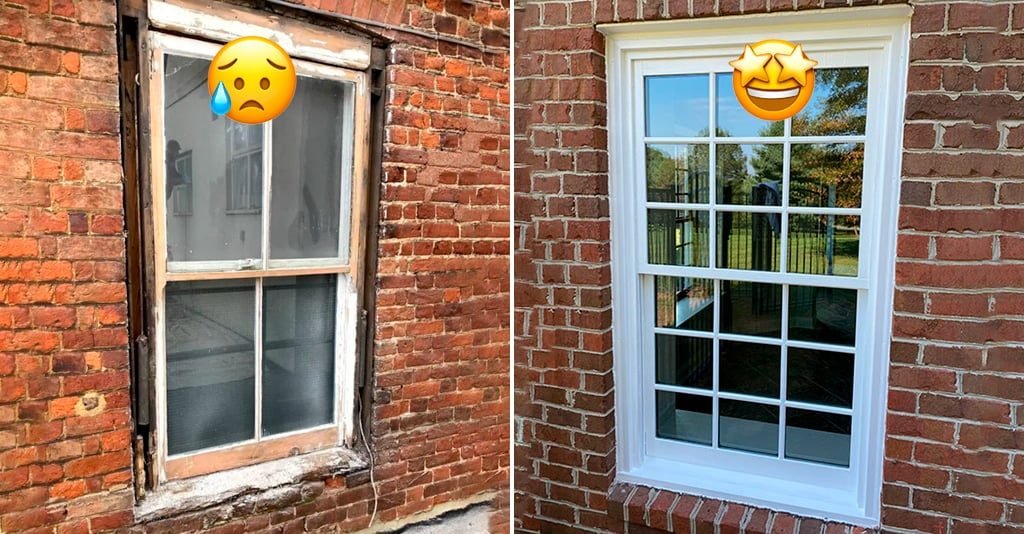
Before replacing anything, establish which windows are actually dead. Broken sash cords, failed balances, cracked single panes, worn weatherstripping and sticking sashes are repairs, not replacements: reglazing, new weatherstripping and cord or balance replacement run roughly $50 to $200 per window and can restore most of a solid wood window’s comfort at a tenth of replacement cost. Replacement earns its money where the frame is rotted, the seals have failed and insulated glass has fogged between the panes, the window is single-pane in a climate that punishes it, or the unit no longer opens, closes or locks. Houses typically hold a mix — a few dead windows, several repairable ones — and the first savings of the whole project is refusing to let a salesperson treat the house as all one category. Work window by window, with a list.
Phase 2: Understand the per-window price stack
An installed price has three components, and itemized quotes expose all of them: the window itself ($150 to $600 for vinyl, $400 to $1,000 or more for wood or fiberglass), installation labor ($100 to $300 per window), and the extras — trim work, disposal, permits. The full installed range runs $300 to $1,000 and beyond per window. Material drives lifespan as well as price: quality vinyl lasts 20 to 30 years; wood lasts 30-plus with regular painting; fiberglass splits the difference on both axes — strong, stable, paintable, $600 to $1,200 installed, with a 30-to-50-year life. Then the installation method: insert replacement fits the new unit into the existing frame and suits sound frames; full-frame replacement removes everything to the studs, fixes rot and air leaks around the old frame, and costs 20 to 50 percent more. Performance specifications — U-factor and solar heat gain tuned to your climate — matter more than brand theater, and the independent guidance published by the Efficient Windows Collaborative explains those ratings without selling anything.
Phase 3: Get quotes, and spot the sales games
Collect at least three quotes, itemized per window, and expect the theater. The classic games, named so they lose their power: a “list price” inflated so that a 50-percent discount sounds like generosity (the discounted price is simply the price); pressure to sign today because the discount expires at the door (it does not); quotes that refuse to itemize per window, because a lump sum cannot be compared; and the disparagement of every competitor as a crook, delivered by the person currently sitting in your kitchen. Red flags are simply the absence of their opposites: a company content to itemize, measure carefully, leave the quote in writing and depart without a signature is behaving like a contractor; the others are behaving like a sales funnel. Note also what each quote assumes about installation method, because comparing an insert quote against a full-frame quote is comparing two different projects.
Phase 4: Decide, and set expectations for install day
With three itemized quotes, the decision is usually legible: a mid-priced, itemized, method-clear quote from a company with local references beats both the bargain with mysteries and the flagship with theater. Schedule with the reality that a competent crew replaces roughly 8 to 12 windows a day; protect floors and furniture near each opening, expect each window to be a hole in your house for under an hour, and inspect each finished unit for operation, locking, caulk lines and interior trim before the crew leaves — small misses are free to fix while the ladders are up. Noise is a legitimate secondary gain, by the way: households on loud streets often cite the quiet as the surprise benefit, the same enemy addressed more cheaply in how to soundproof a bedroom on a budget.
Negotiation: what is actually negotiable
Between the theater and the quote, real money moves on four honest levers. Scope is the first: replacing eight windows this year and four next is a negotiation the reputable companies accept happily, and it converts an unaffordable whole-house number into a funded project. Timing is the second: installers have slow seasons — late winter in cold climates, the weeks after the summer rush — and a flexible household can trade schedule for price in ways a desperate one cannot. Product tier is the third: the same company’s mid-range vinyl, shopped against its flagship line, often shares the frame engineering and warranty structure while shedding the cosmetic premium, and asking “what do I lose at the lower line” produces the most informative answer in the whole sales process. The fourth lever is silence about budget: the first number a buyer volunteers becomes the quote’s anchor, so let every company price the specification before hearing what you hoped to spend. None of this requires haggling theater; it requires only that the buyer decide slowly, in writing, with three itemized numbers on the table — the conditions under which windows are bought rather than sold.
The contract checklist
Before signing anything, the paperwork should answer, in writing: the exact window model, configuration and performance ratings per opening; insert or full-frame method, stated; who handles permit, disposal and interior trim, and to what finish standard; the total price with no open allowances, plus the per-window price for any unit added or dropped; the deposit (modest, staged payments tied to delivery and completion, never the majority up front); the timeline and what happens when it slips; and both warranties — manufacturer’s on the unit, installer’s on the labor — with their durations. Read the exclusions in the labor warranty with the same care as the price; a lifetime warranty that excludes the installation defects most likely to occur is a brochure, not a warranty. Photograph each existing window’s condition before work, keep the contract until the last plausible charge and warranty question has passed, and the sales games of Phase 3 lose their rematch.
Timing and sequencing the project
Two scheduling decisions save money and temper alike. Season: window installers run hot from late spring through fall, when every household discovers its drafts at once; the same companies court work in late winter, and a household that can tolerate a February installation day — each opening is exposed for under an hour, and crews work in heated houses daily — shops when the market is soft. Sequence: windows interact with other projects more than they appear to. Exterior painting and siding want the windows decided first (trim and flashing details differ by unit), interior trim work and window treatments should be measured after installation rather than before, and any wall-opening renovation in the same rooms should share its disruption with the window day. Households replacing in phases should order the worst exposures first — the failed, the fogged, the north-side leakers — rather than completing one photogenic façade, because comfort compounds where the damage was worst. Patient sequencing cannot make windows cheap; it can make them merely priced, which in this industry is the victory. It also protects the warranty clock: windows installed in a considered sequence, documented opening by opening, are windows whose paperwork will still make sense in year nine.
Phase 5: The honest payback
Run the energy arithmetic with open eyes. New windows typically save $100 to $400 a year on energy bills versus tired single-pane or failed units, which at $600 a window means a pure-energy payback of 10 to 20 years — slow, and anyone who sold you five is selling. The real returns arrive earlier and in other currencies: rooms that stop drafting, windows that actually open, condensation that stops rotting sills, street noise reduced, and a resale line item buyers consistently reward. That is why the rational project usually looks like the mixed one: replace the genuinely dead windows with quality mid-range units, repair the salvageable ones properly, and let the comfort arrive this winter instead of waiting for a whole-house budget that makes the perfect the enemy of the warm. Phased that way, window replacement stops being a $22,000 ambush and becomes what it should have been from the first quote: a $500-to-$700-per-window decision, made window by window, at your pace. And the first morning after installation — the quiet, the absence of the draft that used to find your ankles at the desk — has a way of closing the argument that months of quotes could not.