
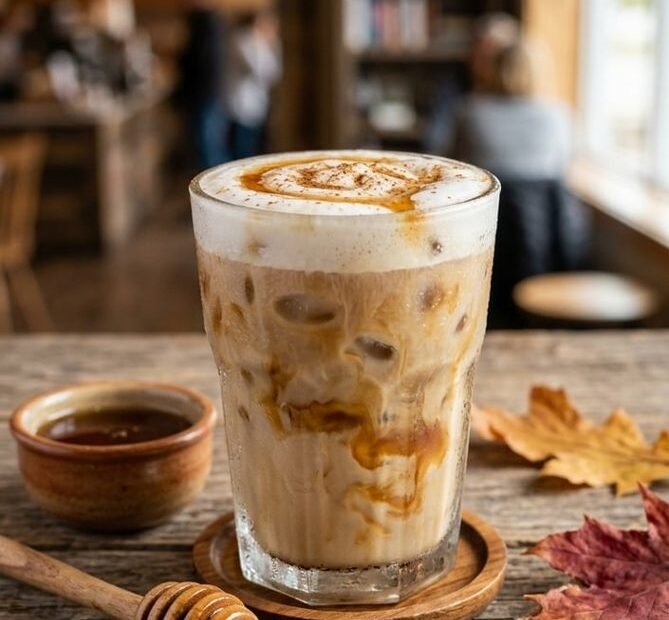
I spent $6 a day on iced lattes for two years, which is $1,500 a year on a drink I could make at home. The homemade versions were always wrong: watery, bitter, or weirdly sour. Then a barista friend showed me that coffee shops do not make better coffee; they use different methods, and the methods are all replicable in a home kitchen.
How to make iced coffee taste like a coffee shop: brew it strong or cold, never pour hot coffee over ice, and treat the milk and sweetener as ingredients, not afterthoughts. Here is the barista method.
How Can I Make Iced Coffee Taste Like a Coffee Shop?
The fundamental mistake is pouring hot coffee over ice. It melts the ice, dilutes the coffee, and the rapid cooling shocks out bitter compounds. Coffee shops avoid this three ways: cold brew (steeped 12-24 hours in cold water; smooth, low-acid, naturally sweet), Japanese iced coffee (brewed hot directly onto ice at double strength, so dilution lands at perfect strength), or espresso over ice for lattes. Cold brew is the easiest home method: coarse grounds and cold water in a jar, 1:8 ratio, steep overnight, strain. It keeps a week refrigerated and makes a concentrate you dilute to taste.
Ratios and ingredients are the rest. How can I make iced coffee taste like a coffee shop latte? Double-shot espresso (or 1/2 cup strong cold brew concentrate) plus 1/2 cup cold milk over ice, in that order: ice, milk, then coffee poured over for the layered look. Whole milk or oat milk gives the creamy body; skim tastes thin. Sweeten with simple syrup, not granulated sugar (which does not dissolve in cold liquid); a 1:1 sugar-water syrup takes two minutes to make and lives in the fridge for weeks. Vanilla, caramel, or hazelnut syrups are the same formula with flavoring.
- Never hot coffee over ice. Cold brew, Japanese method, or espresso. Dilution is the enemy.
- Cold brew: 1:8, 12-24h. Coarse grounds, cold water, strain. Keeps a week.
- Japanese iced: double strength onto ice. Hot brew, immediate chill, perfect dilution.
- Simple syrup, not sugar. Dissolves in cold. 1:1 sugar water, 2 minutes.
- Milk matters: whole or oat. Body and creaminess. Skim tastes thin.
- Ice: big cubes. Melt slower, dilute less. Coffee ice cubes for zero dilution.
- Layer for the look. Ice, milk, then coffee over. The cafe aesthetic is free.
- Salt pinch trick. Tiny pinch of salt cuts bitterness. Barista secret.
The equipment question: you need almost nothing. A jar and a strainer make cold brew; a French press works perfectly as a cold brew vessel. An espresso machine helps for lattes but strong moka pot or AeroPress coffee substitutes well. The $15 milk frother creates cold foam (frothed cold milk spooned over the top), the current cafe trend that is trivially easy at home. Skip the expensive gear until the method is habitual; technique beats equipment in coffee.
The Cost Math That Converts Skeptics
The economics are absurd: a home iced latte costs $0.50-$1.00 (coffee, milk, syrup) versus $5-$7 at the shop. At one daily drink, home brewing saves $1,500-$2,000 yearly. The cold brew jar setup costs under $20; even a mid-range espresso machine pays for itself in months at daily-drink volumes. But the real conversion is quality: once the method is right, home iced coffee is not a compromise. It is the same drink, made to your exact taste, at one-tenth the price.
Batching is the habit that makes it stick: brew a week’s cold brew concentrate Sunday night (5 minutes of active work), keep simple syrup in the fridge, and the morning assembly takes 60 seconds. The coffee shop’s real product was never the coffee; it was the convenience. Replicate the convenience and the shop loses its hold.
Quick Answers to Common Questions
Why does my iced coffee taste watery?
Pouring hot coffee over ice (dilution) or too-weak brewing. Use cold brew concentrate, Japanese iced method, or espresso; and use big ice cubes or coffee ice cubes.
What is the best coffee for iced coffee?
Medium to medium-dark roasts; chocolatey, nutty profiles shine cold. Very light roasts can taste sour iced. Fresh beans, coarse grind for cold brew.
How long does cold brew last?
Concentrate keeps 7-10 days refrigerated in a sealed container. Diluted servings: 2-3 days. Make weekly batches.
Can I make iced lattes without espresso?
Yes: strong cold brew concentrate, moka pot coffee, or AeroPress concentrate all substitute well. The milk and ratio matter more than the brew device.
My Iced Coffee Checklist
- Cold brew overnight. 1:8 coarse grounds to water. 12-24h steep.
- Simple syrup ready. 1:1 sugar water. Dissolves in cold.
- Big ice cubes. Slow melt. Or coffee cubes for zero dilution.
- Whole or oat milk. Body matters. Layer ice, milk, coffee.
- Batch weekly. 5 min Sunday = 60-second mornings.
What I Would Do Next
Two years of $6 lattes ended the week I dialed in the cold brew jar. Now the morning ritual is 60 seconds: ice, oat milk, concentrate, a pump of homemade vanilla syrup. It tastes like the shop because it is the shop’s method, minus the line and the $6. The barista friend was right: they never had better coffee, just better methods. Now I have the methods too.
How to make iced coffee taste like a coffee shop: cold brew or double-strength Japanese method, simple syrup instead of sugar, whole or oat milk, big ice, and the right ratios. The method is the difference.
Brew the jar tonight. Tomorrow’s latte costs fifty cents.
Related reading: How Can I Improve My Home’s Curb Appeal Cheaply.
Related reading: How Can I Make Restaurant-style Tacos at Home.
Related reading: What Is the Cheapest Fence Option for a Backyard.
For official guidance, check out FoodSafety.gov storage charts and the USDA MyPlate nutrition resources.



