The craving arrives at nine in the evening. The pantry holds about ten ordinary staples — peanut butter, sugar, eggs, flour, butter, chocolate, a can of condensed milk, cream — and no plan. It looks like nothing. It is actually a full dessert menu, because a surprising number of classic desserts are built from exactly three ingredients, and several of them are not simplified versions of anything: they are the original recipes. This checklist stocks the pantry that makes dessert always 20 minutes away, gives the core recipes with their ratios, and names the three techniques that three-ingredient cooking cannot survive without.
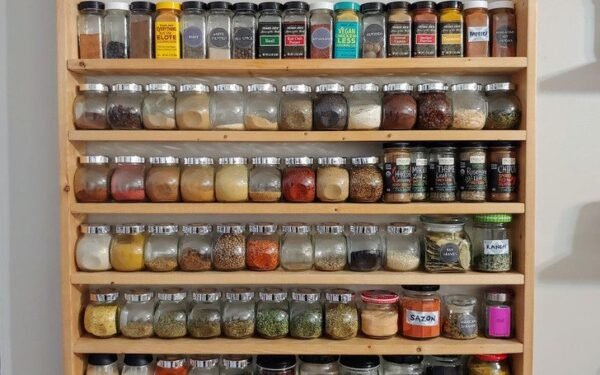
The pantry checklist (eight items, the whole menu)
- Peanut butter
- Sugar (granulated; brown is a bonus)
- Eggs
- Flour
- Butter
- Chocolate (bars or chips you would eat plain)
- Sweetened condensed milk
- Heavy cream
Those eight staples, all long-lived, cover nearly every recipe below and earn their shelf space across hundreds of ordinary meals besides. Keeping them stocked is the entire strategy: dessert stops being a shopping trip and becomes a combination problem with a 20-minute answer.
The bakes: three classics, ratios included
Peanut butter cookies. 1 cup peanut butter, 1 cup sugar, 1 egg. Mix, roll into balls, press with a fork, bake at 350°F for 10 to 12 minutes. Five minutes of work, gluten-free by nature (there is no flour), and the recipe most likely to be requested afterward. Nutella brownies. Nutella, eggs, and flour — the jar supplies chocolate, sugar, and fat in a single ingredient, which is the trick that makes three-ingredient brownies honestly fudgy rather than a compromise. Three-ingredient shortbread. Butter, sugar, flour — here the ratio is the recipe, and it rewards precision: weigh the ingredients if you can, because with nothing else in the bowl, proportion errors have nowhere to hide.
The impressive ones: for guests who will not believe you
Chocolate mousse. Chocolate, eggs, cream — melted, folded, chilled about 2 hours. Served in small glasses, it reads as patisserie. Panna cotta. Cream, sugar, gelatin — barely sweetened, set just enough to hold a spoon mark, and made entirely ahead, which makes it the easiest dinner-party dessert in existence. Flourless chocolate cake. Chocolate, eggs, butter — dense, dark, and naturally gluten-free. These three are the answer when the goal is not merely dessert but disbelief: nobody accepts the ingredient count until the recipe is shown to them.
The fun ones: fruit, coconut, and the microwave
Banana nice cream. Frozen bananas, blended until they turn into soft-serve — add peanut butter or cocoa and the count stays at three. Vegan by nature, ready in the time the blender takes. Coconut macaroons. Shredded coconut, condensed milk, egg whites — chewy, golden-edged clouds that need watching in the oven because they brown fast at the tips. Baked apples. Apples, butter, cinnamon sugar — the filling-style treatment, warm and soft, that tastes like pie filling without the pie. Three-ingredient fudge. Chocolate, condensed milk, butter — melted together, set in a pan, cut in squares; the microwave does the heavy lifting. Notice how many of these are naturally adaptable: the cookies are gluten-free without trying, the nice cream is vegan, the macaroons accept condensed coconut milk. Fewer ingredients means fewer conflicts with dietary needs — constraint breeds inclusivity as a side effect.
Proportions worth writing on the cupboard door
Three-ingredient recipes live or die on ratios, so here are the working ones in one place. Nutella brownies: about 1¼ cups Nutella, 2 eggs, and ½ cup flour — bake in a small lined pan at 350°F until the center just sets, roughly 25 minutes; underbake slightly rather than over, because fudgy is the point. Shortbread: the classic ratio is 1 part sugar to 2 parts butter to 3 parts flour by weight — 100 grams sugar, 200 grams butter, 300 grams flour — pressed into a pan, docked with a fork, baked low and slow until pale gold at the edges. Chocolate mousse: roughly equal weights of chocolate and cream, with the eggs separated — yolks into the melted chocolate, whites whipped and folded — then the whipped cream folded last, lightest touch last. Panna cotta: 2 cups cream, ¼ cup sugar, and about 2 teaspoons of powdered gelatin bloomed in cold water first; warm the cream only until the sugar and gelatin dissolve, never boil, or the set suffers. Fudge: 3 cups chocolate chips to 1 can of condensed milk with a knob of butter — microwave in short bursts, stir smooth, set in a lined pan. Write those five lines on a card and the checklist above becomes a repertoire.
When three-ingredient desserts go wrong
The failures are as few as the ingredients, and each maps to a cause. Grainy mousse means the chocolate was too hot when the yolks went in, cooking them on contact; let it cool to warm, not hot. Rubbery panna cotta is too much gelatin — the set should tremble, and the fix is a lighter hand next time, since an over-set batch can be melted gently and re-set with a splash more cream. Crumbly shortbread usually means the butter was too warm or the flour was measured by a packed scoop; weighing removes both variables. Flat peanut butter cookies come from natural peanut butter that separated — stir the jar fully before measuring, or the oil ratio breaks. Macaroons that spread signal wet coconut or under-whipped whites; the mixture should hold soft peaks and a definite mound. Notice that every diagnosis is mechanical, not mysterious — with three ingredients there is nowhere for a problem to hide, which is the hidden gift of the whole style.
The three techniques that make three ingredients work
Quality carries weight. With nowhere to hide, good chocolate, real butter, and honest vanilla (when vanilla is one of the three) are not luxuries; they are the recipe. Ratios are sacred. Shortbread fails on wrong proportions while a ten-ingredient cake forgives them; weigh when possible. Temperature is the skill. Mousse needs proper melting and gentle folding, macaroons need watching, and the chilled desserts need their full 2 hours — impatience is the only way to ruin most of this list. Presentation helps too: small glasses, a dusting of cocoa, a warm cookie on a cold scoop of nice cream. Three ingredients, plated with intention, look like ten. And on the nights the craving runs toward caffeine instead, the same pantry logic powers how to make iced coffee taste like a coffee shop at home. For ingredient quality and baking staples worth stocking, Bob’s Red Mill’s baking recipes and ingredients are a solid reference shelf.
Serving like you meant it: presentation on a three-ingredient budget
The last gap between a pantry dessert and a restaurant one is rarely flavor — it is presentation, and presentation at this level costs nothing but attention. Mousse served in small glasses or espresso cups reads as deliberate; the same mousse in a mixing bowl reads as an accident. A dusting of cocoa or a few berries — borrowed from the freezer, not counted against the recipe — gives fudge and flourless cake a finished edge. Warm peanut butter cookies under a scoop of the banana nice cream turn two list entries into a composed dessert that guests describe as “the sundae thing” rather than by its three-plus-three ingredients. Panna cotta, unmolded onto a plate with its gentle wobble intact, performs elegance that chocolate sauce from a squeeze bottle completes. Even the baked apples arrive looking intentional when they are served in the dish they baked in, with the pan juices spooned over. The principle is simple and it scales beyond dessert: small portions, a clean rim, one contrasting element, and serving vessels that look chosen. Three ingredients, plated like ten, is not deception — it is the cook’s half of the dish, and it was always free.
One honest boundary before the close: three-ingredient cooking has a ceiling, and pretending otherwise would break faith with the checklist. It will not produce a croissant, a proper custard tart, or anything whose magic lives in the interaction of many components; laminated doughs and balanced curries are ten-ingredient achievements, and the pantry system claims no jurisdiction there. What it claims is the weeknight craving, the unexpected guest, the snowed-in weekend, and the end of the month — the occasions when dessert currently defaults to a delivery app or nothing at all. Within that territory, the three-ingredient repertoire is not a compromise category. It is a complete answer, staffed by recipes that in several cases predate the complicated versions they are accused of imitating. Shortbread was never the simple edition of anything. It was always just shortbread, waiting for a stocked pantry and twenty minutes.
The point of the exercise
Three-ingredient desserts are not emergency rations for empty kitchens. They are evidence that dessert was never about the length of the ingredient list — it was about the right three things, at the right ratio, handled with a little care. Stock the eight staples, learn the cookies first, and let the mousse handle the dinner parties.