
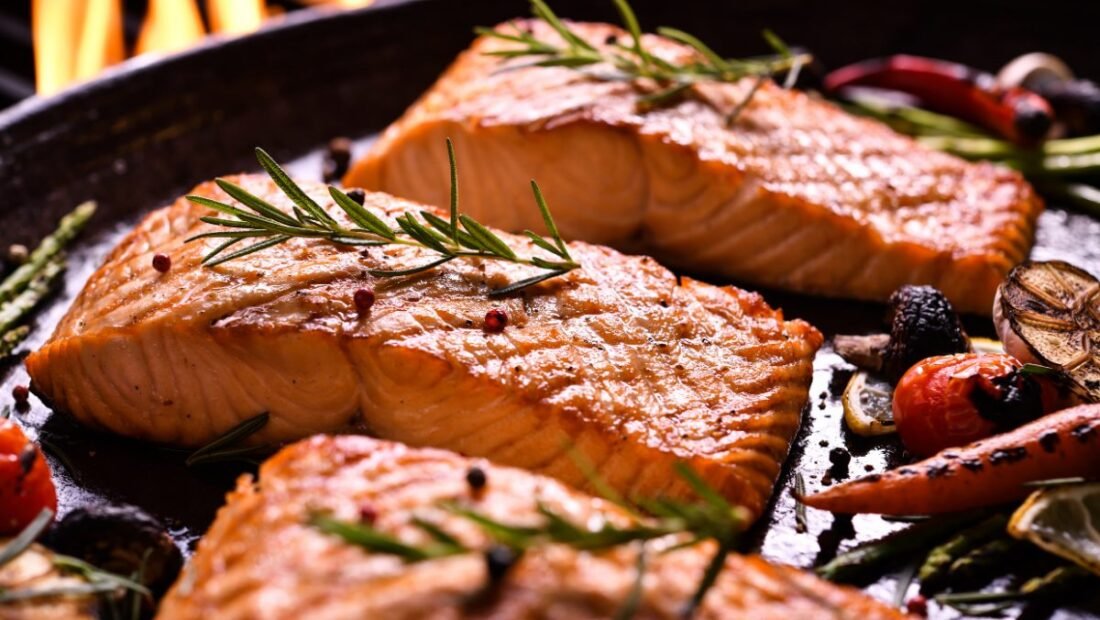
I served salmon that was raw in the middle at a dinner party once, and the memory still makes me cringe. Then I overcorrected and served salmon dry as a bone for a year. The path between those failures is a thermometer and about ten degrees of knowledge, and it changed my cooking permanently.
How to know when salmon is fully cooked: 145F is the official safe temperature, but 120-130F is where the magic happens for those who understand carryover and sourcing. Here is the complete guide.
How Do I Know When Salmon Is Fully Cooked?
The numbers: the FDA recommends 145F internal temperature for salmon, measured at the thickest part. At 145F, the fish is fully opaque, flakes easily, and is unquestionably safe. But most chefs and salmon lovers prefer 120-130F (medium-rare to medium), where the fish is silky, moist, and translucent in the center. The safety nuance: the 145F guideline includes a margin for all sourcing; high-quality, sushi-grade salmon from reputable sources is commonly served at lower temperatures, while commodity salmon should go to 145F. Know your fish’s source and decide accordingly.
Carryover cooking is the critical concept. How do I know when salmon is fully cooked without overshooting? Pull it 5-10 degrees before your target, because residual heat continues cooking the fish off the heat. For a 130F target, pull at 120-125F and rest 5 minutes. An instant-read thermometer ($15) is the only reliable tool; color and flake tests are backup indicators, not primary ones. Probe the thickest part without touching bone or pan.
- FDA safe: 145F internal. Opaque, flaky, unquestionably safe. The official line.
- Sweet spot: 120-130F. Silky and moist. For quality-sourced fish.
- Pull 5-10F early. Carryover finishes the job. Rest 5 minutes.
- Thermometer, always. $15 instant-read. Color lies; temperature does not.
- Visual cues: backup only. Opaque exterior, slightly translucent center at 125F. Flakes with gentle pressure.
- White stuff (albumin): harmless. Protein pushed out by heat. Lower, gentler heat reduces it.
- Brine 15 min for insurance. Saltwater brine firms flesh and adds moisture margin.
- Skin-side down first. Crispy skin, even cooking, easy release. Most of the cook on skin side.
Visual and touch cues as backup: at medium-rare (120-125F), the exterior is opaque with a slightly translucent center, and the fish flakes with gentle fork pressure but resists slightly. At 145F, it is opaque throughout and flakes easily. The white albumin (coagulated protein) that seeps out is harmless and normal, though excessive albumin suggests the heat was too high; gentler cooking and a brief brine minimize it. The finger test (comparing firmness to parts of your hand) works with practice but the thermometer works immediately.
Method Matters: Cooking Salmon Right
The pan-sear that delivers: get a heavy skillet hot, oil shimmering, salmon skin-side down, press gently for 10 seconds to prevent curling, cook 90% on the skin side (5-6 minutes for a 1-inch fillet), flip for 30-60 seconds to finish. The result is shatteringly crisp skin and perfectly cooked flesh. For oven roasting: 400F for 10-12 minutes per inch of thickness. For grilling: oiled grates, skin-side down, lid on, no flipping until release.
The most common salmon sin is impatience plus high heat: scorched exterior, raw middle, albumin everywhere. Moderate heat, skin-side patience, and thermometer verification produce restaurant salmon at home. And buy the best salmon you can: the difference between fresh quality fish and tired commodity fish exceeds any technique gap.
Quick Answers to Common Questions
What temperature is salmon done?
145F per FDA guidelines. Many prefer 120-130F for texture with quality-sourced fish. Pull 5-10 degrees early for carryover.
How can you tell if salmon is undercooked?
Translucent, jelly-like center that looks raw rather than just moist, and flesh that resists flaking. When in doubt, thermometer-check the thickest part.
Is it safe to eat medium-rare salmon?
With high-quality, properly handled salmon from reputable sources, yes, and it is standard in restaurants. For commodity or uncertain sourcing, cook to 145F.
What is the white stuff on cooked salmon?
Albumin, a harmless protein squeezed out by heat. Normal in small amounts; excessive amounts indicate too-high heat. A brief saltwater brine reduces it.
My Salmon Checklist
- Thermometer to target. 145F safe, 120-130F silky. Pull 5-10F early.
- Skin-side down, mostly. 90% of cooking on skin side. Crisp skin, even flesh.
- Rest 5 minutes. Carryover completes. Juices settle.
- Brine 15 min optional. Insurance for moisture. Quick saltwater soak.
- Buy quality fish. Technique cannot fix tired salmon.
What I Would Do Next
The dinner party disaster is forgiven (mostly), and salmon is now my most-cooked fish: the thermometer lives by the stove, the skin crisps every time, and 125F plus rest produces the silky center that made me fall for salmon in the first place. Ten degrees of knowledge, fifteen dollars of thermometer, and a fish transformed from anxiety to confidence.
How to know when salmon is fully cooked: thermometer to 145F for safety or 120-130F for texture with good sourcing, pulled early for carryover, rested five minutes. Temperature, not color, is the truth.
Buy the thermometer. Trust the numbers. Enjoy the salmon.
The farmed-versus-wild question affects cooking more than most people realize: farmed Atlantic salmon is fattier and more forgiving of overcooking, while lean wild sockeye or coho dries out faster and benefits from lower target temperatures and gentler heat. Know which you bought and adjust: wild salmon pulled at 120F is sublime; the same treatment on farmed is fine too, but farmed forgives 135F where wild punishes it. The price difference buys both flavor and a wider margin of error.
Sourcing and sustainability deserve a moment: look for responsibly farmed or MSC-certified wild salmon, and build a relationship with a fishmonger who tells you what is fresh rather than what needs selling. Frozen-at-sea salmon is often fresher than never-frozen fish that has traveled for days; the freezing technology on modern boats is excellent. Do not fear the frozen case; fear the fish counter with no turnover. Quality sourcing is the technique that precedes all others.
Related reading: How Much Does a New Water Heater Cost Installed.
Related reading: How Do I Install a Backsplash in My Kitchen Myself.
Related reading: How Can I Add Storage to a Small Laundry Room.
For official guidance, check out USDA food safety guidance and FoodSafety.gov storage charts.



