
I used to buy fresh herbs for one recipe and throw away the wilted remainder three days later, a $4 tax on every dish that needed cilantro. Then I learned that herbs are not one category but two, with opposite storage needs, and my waste dropped to nearly zero. The trick is embarrassingly simple once you know it.
What is the best way to store fresh herbs longer? Treat soft herbs like flowers and hard herbs like greens. Here is the herb-by-herb guide.
What Is the Best Way to Store Fresh Herbs Longer?
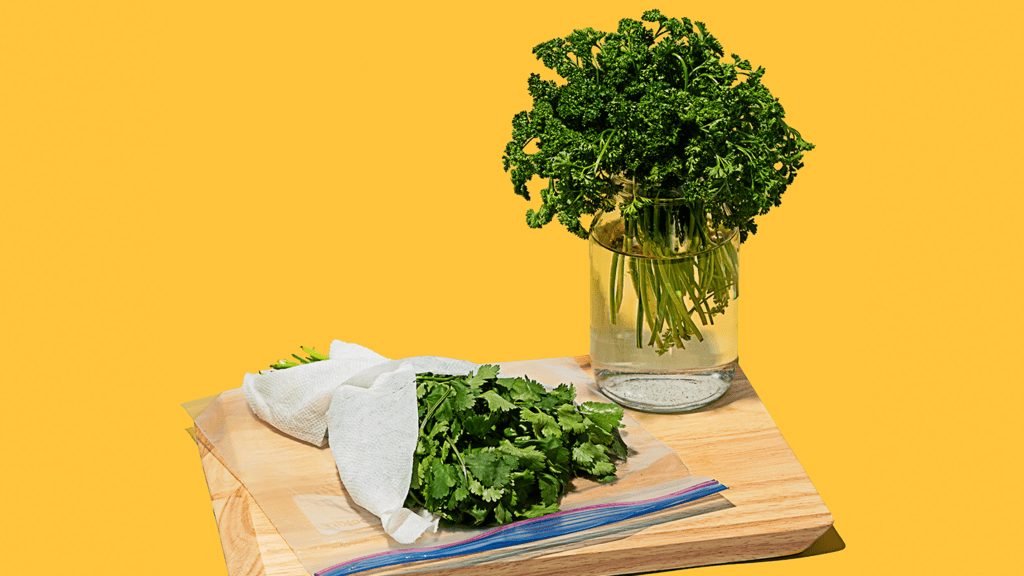
Soft herbs (parsley, cilantro, dill, mint, basil-excepted) want the bouquet method: trim the stems, place in a jar with an inch of water like flowers, cover loosely with a plastic bag, and refrigerate. They stay vibrant 2-3 weeks this way; change the water every few days. Basil is the exception: it hates cold, so keep the bouquet on the counter, not the fridge, and it lasts a week or more at room temperature.
Hard herbs (rosemary, thyme, oregano, sage, chives) want the damp towel method. What is the best way to store fresh herbs longer for woody herbs? Wrap loosely in a slightly damp paper towel, place in a sealed bag or container, and refrigerate. They keep 2-3 weeks. The enemy for hard herbs is excess moisture (causes rot) and air exposure (causes drying); the damp towel balances both. Do not wash before storing; wash before using.
- Soft herbs: bouquet method. Jar of water, plastic bag cover, fridge. 2-3 weeks.
- Basil: counter, not fridge. Cold blackens basil. Room temp bouquet lasts a week+.
- Hard herbs: damp towel + bag. Slightly damp towel, sealed container, fridge. 2-3 weeks.
- Do not wash before storing. Moisture causes rot. Wash before using.
- Change bouquet water regularly. Every few days. Fresh water, longer life.
- Freeze in oil for cooking. Chopped herbs in olive oil, frozen in ice trays. Perfect for sautes.
- Dry hard herbs. Hang or dehydrate rosemary, thyme, oregano. Dried beats dead.
- Pesto freezes beautifully. Basil surplus becomes frozen pesto cubes. Future pasta thanks you.
When herbs start fading despite good storage, preserve rather than waste. Freezing is best for cooking herbs: chop, pack into ice cube trays with olive oil or water, freeze, then bag the cubes. They go straight from freezer to pan, perfect for sautes, soups, and sauces (not for fresh garnish; freezing damages the texture for raw use). Drying suits hard herbs: hang bundles upside down in a dry dark place, or use the oven’s lowest setting. Pesto is basil’s highest calling when you have too much; freeze in cubes for months of future pasta.
Growing: The End of the Problem
The ultimate herb storage solution is not storing: it is growing. A sunny windowsill supports basil, mint, chives, and parsley year-round; a small patio handles the rest in season. Snip what you need, and the plant regrows; there is nothing to wilt because nothing was harvested early. A $3 plant produces $50+ of herbs over its life, and the flavor of just-cut herbs embarrasses even well-stored grocery ones.
Start with the indestructible: mint (unkillable, keep it contained or it takes over), chives (perennial, regrows relentlessly), and rosemary (drought-tolerant, forgiving). Add basil in summer when you are ready for the diva that demands sun and regular harvesting. The windowsill garden is the lowest-effort highest-return project in home cooking.
Quick Answers to Common Questions
How long do fresh herbs last in the fridge?
With proper storage: soft herbs 2-3 weeks (bouquet method), hard herbs 2-3 weeks (damp towel method). Without proper storage: 2-4 days. The method is everything.
Should you wash herbs before storing?
No. Wash before using. Pre-washing adds moisture that accelerates rot in storage.
Can you freeze fresh herbs?
Yes, chopped in oil or water in ice trays. Excellent for cooked dishes; texture suffers for raw garnish use. Basil, parsley, cilantro, dill all freeze well this way.
Why does my basil turn black in the fridge?
Cold damage. Basil is tropical and blackens below about 50F. Store at room temperature in a water jar, like flowers on the counter.
My Herb Storage Checklist
- Soft herbs: water jar + bag, fridge. Like flowers. 2-3 weeks.
- Basil: counter bouquet. Never the fridge. Cold kills it.
- Hard herbs: damp towel + sealed bag. Balanced moisture. 2-3 weeks.
- Freeze surplus in oil cubes. For cooking. Straight from freezer to pan.
- Grow the basics. Windowsill basil, mint, chives. End the problem.
What I Would Do Next
My fridge now holds a jar of parsley that is three weeks old and still perky, and the windowsill basil supplies everything we need. The $4 herb tax is abolished. It still amazes me that the solution was this simple: flowers in the fridge, a damp towel, and basil on the counter. Waste dropped to zero, flavor went up, and the only regret is the years of wilted cilantro that came before.
What is the best way to store fresh herbs longer? Bouquet method for soft herbs, damp towel for hard herbs, basil on the counter, and freeze or grow the surplus. Weeks instead of days.
Trim the stems tonight. Your herbs are thirsty.
The herb butter trick preserves both flavor and convenience: soften butter, mix in chopped herbs with a pinch of salt, roll into a log in plastic wrap, and freeze. Slices of herb butter melt over steak, fish, vegetables, and bread, delivering fresh-herb flavor months later with zero waste. Compound butters are also the most impressive-looking easy gift in cooking; a log of rosemary-garlic butter wrapped in paper looks artisanal because it essentially is.
For the truly abundant harvest, herb salt is the preservation method with the longest life: layer coarse salt with chopped herbs in a jar, let it dry, and the salt preserves the herb flavor for a year. Rosemary salt, thyme salt, and sage salt become finishing touches that lift everyday cooking, and the jars make excellent gifts. When the garden overflows, salt is the answer that never goes bad.
Related reading: What Should I Know Before Driving in Another Country.
Related reading: What Is the Best Way to Pack Souvenirs without Breaking Them.
Related reading: What Is the Cheapest Way to Heat a Garage in Winter.
For official guidance, check out USDA food safety guidance and FoodSafety.gov storage charts.



