
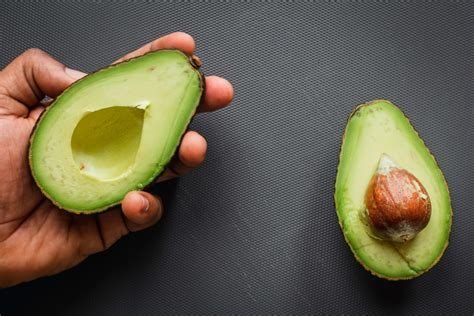
I have tried every avocado trick on the internet: lemon juice, onion, plastic wrap, the pit, olive oil, water submersion. Most are folklore with a grain of truth. After systematically testing them (a delicious week of research), I can tell you what actually works, what kind of works, and what is pure myth.
How to keep avocados from turning brown comes down to understanding the enemy: oxygen. Browning is oxidation, an enzyme reaction when avocado flesh meets air. Block the air, slow the brown. Here is the ranked list.
How Do I Keep Avocados From Turning Brown?
The science in one paragraph: polyphenol oxidase enzymes in avocado flesh react with oxygen to create brown pigments. Acid (lemon/lime juice) slows the enzyme, cold slows everything, and physical barriers block oxygen. The best method combines all three: acid plus airtight plus cold. No method stops browning forever; the goal is buying hours or a day, not achieving immortality.
Ranked by effectiveness in my testing: (1) Airtight container with the cut surface pressed against the lid or with plastic wrap pressed directly onto the flesh, no air gaps, refrigerated: stays green 24+ hours. What is the best way to keep avocados from turning brown? Eliminate air contact. (2) Lemon or lime juice brushed on the cut surface plus airtight wrap: the acid adds several hours, with slight flavor change. (3) Submerged in cold water in a sealed container in the fridge: surprisingly effective for halved avocados (24 hours green), though food safety guidance suggests limiting this method’s duration. (4) Onion method (storing with cut onion): the sulfur compounds genuinely slow browning, but your avocado tastes faintly of onion.
- Airtight + no air gaps: best. Plastic wrap pressed on flesh, or cut-side-down in a sealed container. 24h+ green.
- Acid helps: lemon/lime juice. Brush on cut surface. Adds hours, slight flavor.
- Cold always. Refrigerate cut avocado immediately. Warmth accelerates browning.
- Water submersion: effective but debated. Works 24h for halves. Limit duration per food safety caution.
- Onion method: works, flavors. Sulfur slows browning; avocado absorbs onion taste.
- The pit: mostly myth. It only protects the flesh it touches. The rest browns normally.
- Olive oil: marginal. Thin barrier, minimal effect. Not worth the mess.
- Myths busted: pit alone, milk, vinegar soak. No meaningful effect in testing.
For guacamole specifically: press plastic wrap directly onto the surface (not over the bowl rim; air trapped underneath browns the top), or smooth the top flat and pour a thin layer of lime juice or water over it, poured off before serving. Made-ahead guacamole kept this way stays green for a day, which covers every party timeline that matters.
Buying and Ripening: The Other Half
Keeping cut avocado green starts with buying right. Choose avocados that yield gently to pressure for use within a day or two; buy firm ones for later in the week. Ripen firm avocados in a paper bag with a banana (ethylene gas accelerates ripening) at room temperature, checking daily. Once ripe, refrigerate whole avocados to hold them 3-5 days; cold dramatically slows further ripening. Never refrigerate unripe avocados expecting them to ripen there; they stall and ripen unevenly.
The freezer option for abundance: mash ripe avocados with lemon juice, portion into bags, freeze flat. Frozen avocado is perfect for smoothies and decent for guacamole after thawing, though the texture never fully returns to fresh. When avocados are $0.50 each in season, the freezer is the smart play.
Quick Answers to Common Questions
Does leaving the pit in prevent browning?
Only where the pit touches. The exposed flesh around it browns normally. It is the most persistent avocado myth, and testing consistently debunks it.
Is brown avocado safe to eat?
Yes, browning is oxidation, not spoilage. Browned flesh is safe but can taste slightly bitter. Spoiled avocado smells rancid or sour and has dark streaks through the flesh; that is different from surface browning.
How long does cut avocado last?
With good storage (airtight, refrigerated, acid): 1-2 days of good quality. Without protection: hours. Whole ripe avocados: 3-5 days refrigerated.
Can you freeze avocados?
Yes, mashed with lemon juice in portioned bags. Great for smoothies; acceptable for guacamole. Texture changes, so freezing suits uses where texture matters less.
My Avocado Checklist
- Block all air contact. Wrap pressed on flesh or cut-side-down sealed. #1 factor.
- Add acid for extra hours. Lemon/lime juice on the cut surface.
- Refrigerate immediately. Cold slows everything. Always.
- Pit is not a strategy. Myth. Protects only what it touches.
- Guac: wrap ON the surface. Not over the bowl. No trapped air.
What I Would Do Next
The testing week ended with a clear winner I now use daily: halved avocado, cut side pressed into a small airtight container (or wrapped tight with zero air gaps), into the fridge. Twenty-four hours later it is green and perfect on toast. The pit goes in the compost, the lemon stays for other duties, and the folklore can retire. Oxygen was the enemy all along.
How to keep avocados from turning brown: eliminate air contact with tight wrapping or sealed containers, add acid for extra time, and refrigerate immediately. Oxygen is the enemy; barriers are the answer.
Wrap it tight, chill it fast, and enjoy green avocado tomorrow.
For meal prep with avocados, the best strategy is timing, not storage: prep everything else ahead and cut the avocado fresh at serving time. No storage method beats fresh-cut for texture and color. When advance prep is unavoidable, the acid-plus-airtight method holds a day, which covers overnight prep for next-day lunches. Dice the avocado, toss with lime juice, press into a small container with minimal air, and it is lunch-ready tomorrow.
The ripeness sweet spot for storage is just-ripe: firm enough to hold shape, yielding enough to eat. Overripe avocados brown faster (more enzyme activity in damaged cells) and taste worse; underripe ones never develop full flavor. Buy a mix of ripeness stages so you always have one at peak, and the storage problem shrinks to a planning problem. The best-preserved avocado is the one eaten at its moment.
Related reading: How Do I Cook Perfect Rice without a Rice Cooker.
Related reading: How Can I Make Pizza Dough from Scratch Easily.
Related reading: What Is the Best Way to Pack Souvenirs without Breaking Them.
For official guidance, check out USDA food safety guidance and the FDA consumer food resources.



