
My cousin has celiac disease, and for years she treated travel like a military operation: a suitcase half full of protein bars, printed restaurant lists, and genuine fear of every menu. Then she built a system, and now she eats well in countries where she does not speak the language. The anxiety never fully disappears, but it stops running the trip.
If you are figuring out how to travel comfortably with dietary restrictions, the goal is not perfection. It is a system that keeps you fed, safe, and relaxed enough to enjoy where you are.
How Can I Travel Comfortably With Dietary Restrictions?
The foundation is preparation before you leave. Research your destination’s food culture honestly: some cuisines are naturally friendly to your restriction (much of Southeast Asia for rice-based gluten-free diets, the Middle East for halal, India for vegetarian), and some are minefields. Knowing which you are walking into changes your whole strategy. Download offline translation cards for your restriction in the local language before you fly.
- Book accommodation with a kitchen when it matters. An Airbnb or apart-hotel with a kitchenette removes 70% of the stress. Breakfast and one backup meal at home base, restaurant adventures for the rest. For severe allergies, this is not optional, it is the plan.
- Pack a food safety net, not a pantry. A day or two of safe snacks (bars, nuts, dried fruit) covers travel days and emergencies. A suitcase full of food signals a plan built on fear, not confidence.
- Learn the local words for your restriction and for safe staples. Knowing how to say no gluten, no peanuts, or vegetarian in the local language, plus the words for rice, grilled, and plain, opens up entire menus.
- Eat where you can see the kitchen. Street stalls and open kitchens let you watch what goes into your food. Complex sauces in hidden kitchens are higher risk for cross-contact.
- Message restaurants ahead for big dinners. A two-minute message explaining your restriction gets you a safe, often better meal. Restaurants appreciate the heads-up far more than a mid-service crisis.
- Carry medication and documentation. EpiPens, antihistamines, prescriptions, plus a doctor’s note translated if needed. Keep meds in your personal item, never in checked luggage.
- Use the right apps. HappyCow for vegan and vegetarian, Find Me Gluten Free for celiac, and local expat groups for halal or kosher. Real travelers with your restriction have already mapped your destination.
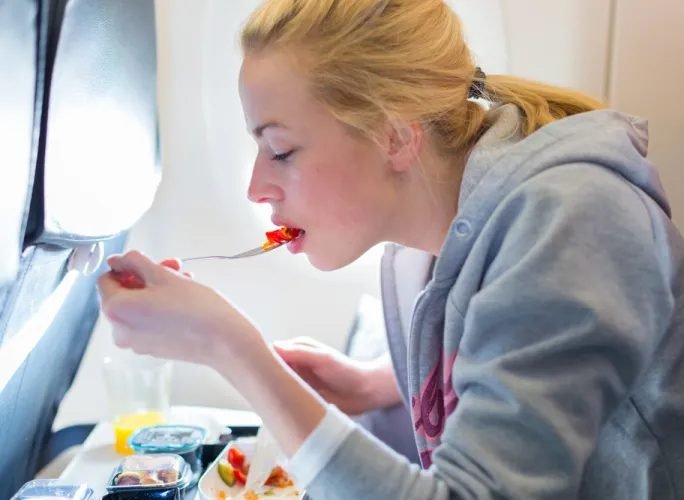
For how to travel comfortably with dietary restrictions at 30,000 feet, order special meals at booking, not at the gate. Airlines need 24 to 48 hours notice, and the special meals are often fresher than the standard ones anyway. Bring backup snacks regardless, because catering errors happen.
Handling Restaurants Without Killing the Vibe
The social part is harder than the logistics. Nobody wants to be the person interrogating a waiter while the table waits. My rule: do the research before you sit down, so the restaurant conversation is one confident sentence, not a negotiation. Say it clearly once, then move on and enjoy your friends.
And give yourself grace. You will have one meal that is just rice and a banana, and that is fine. The trip is the point, not a perfect dining record.
Quick Answers to Common Questions
How do I explain my allergy in a country where I do not speak the language?
Use a printed or phone-based allergy translation card in the local language, and learn to say the key words yourself. Showing the card plus saying it out loud covers you when the card gets skimmed.
Is it rude to ask so many questions at restaurants abroad?
No, if you do it kindly and efficiently. One clear sentence about your restriction, asked with a smile, is respected everywhere. What frustrates staff is a ten-minute negotiation at a slammed dinner rush, so do your research before you sit down.
What if I have a reaction abroad?
Know the local emergency number before you need it, carry your medication in your personal item at all times, and consider a medical ID in the local language. For severe allergies, travel insurance with medical evacuation is worth every penny.
Are cruises or resorts easier with dietary restrictions?
Resorts, usually. You can speak to the same kitchen staff all week, and many resorts have dedicated allergy protocols. Cruises are second-best since kitchens handle thousands of special meals. Independent travel takes the most work.
My Pre-Trip Checklist
- Get translation cards before you fly. Printed and on your phone, in the local language, for your specific restriction.
- Book a kitchen for at least part of the trip. One safe home-cooked meal a day removes most of the stress.
- Pack two days of safe snacks. Enough for travel days and emergencies, not a whole pantry.
- Keep meds in your personal item. Never in checked luggage. Plus a translated doctor’s note.
- Research three safe restaurants before arrival. Landing with a plan beats landing hungry and anxious.
What I Would Do Next
Build the system once: translation cards, kitchen accommodation, snack safety net, restaurant research, meds in your personal item. Then reuse it every trip. The first trip with a system feels careful; the third feels normal.
Dietary restrictions change how you travel, not whether you travel. The world is still delicious; you just need a better map.
The mindset shift that changed everything for my cousin was this: she stopped trying to eat like she does at home and started getting curious about what her destination does naturally. In Japan she ate rice, grilled fish, and sashimi joyfully. The restriction did not shrink her world; it focused it. Yours can do the same.
Related reading: How Do I Choose Between a Cruise and an All-inclusive Resort.
The mindset shift that changed everything for my cousin was this: she stopped trying to eat like she does at home and started getting curious about what her destination does naturally. In Japan she ate rice, grilled fish, and sashimi joyfully. The restriction did not shrink her world; it focused it. Yours can do the same.
Related reading: How Long Does Cooked Chicken Last in the Fridge.
The mindset shift that changed everything for my cousin was this: she stopped trying to eat like she does at home and started getting curious about what her destination does naturally. In Japan she ate rice, grilled fish, and sashimi joyfully. The restriction did not shrink her world; it focused it. Yours can do the same.
Related reading: How Can I Fix Peeling Paint on Exterior Wood.
For official guidance, check out Amtrak route guides and the U.S. Department of State travel guidance.



2 Comments