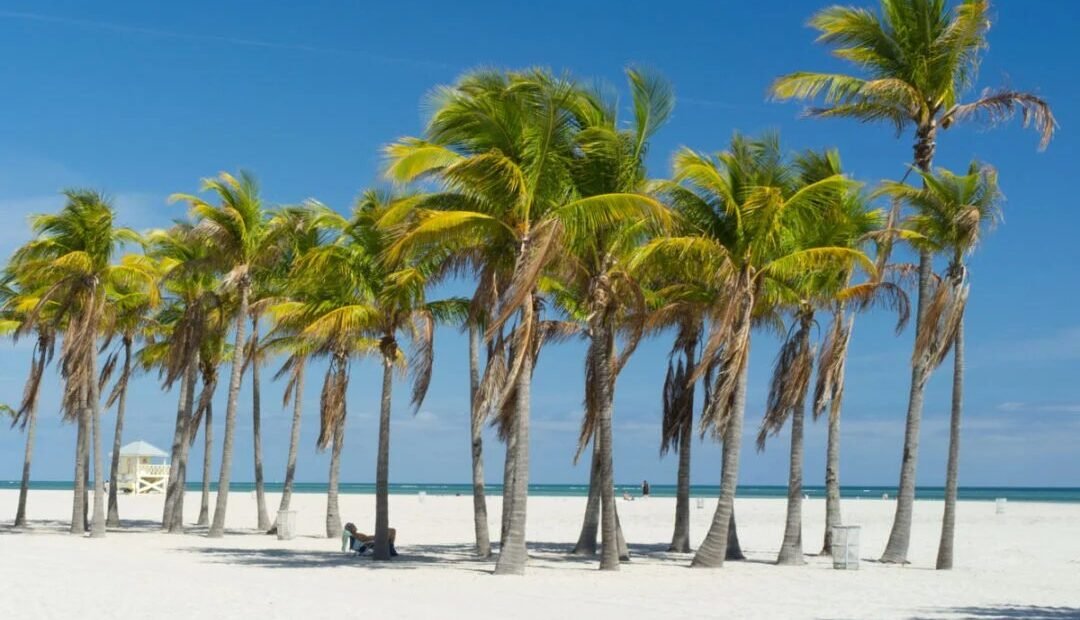
Florida in February is paradise. Florida in August is a sauna with mosquitoes. Same state, completely different trips — which is why ‘when should I visit Florida?’ is one of the most important questions in American travel. Get the timing right and it’s the best value beach vacation in the country; get it wrong and you’re melting in a thunderstorm.
The best time of year to visit Florida overall is March through May: warm weather, lower humidity, manageable crowds, and reasonable prices. But the real answer depends on what you want — beaches, theme parks, wildlife, or deals. Here’s the month-by-month truth.
Florida has three seasons: perfect, hot, and hurricane roulette. Let’s map them.
Peak Season (December–April): Perfect Weather, Peak Prices
Winter is Florida’s glory season: 70s in South Florida, 60s in the north, low humidity, endless sun. It’s also the most expensive — hotels surge 50–100 percent, snowbirds fill the condos, and spring break (March) turns beach towns into chaos. Book 3–6 months ahead for winter trips; last-minute winter Florida is punishingly expensive.
The sweet spot within peak: early December (before the holidays) and late April–early May. You get the weather without the worst crowds or prices. January–February is ideal for escaping northern winters — the contrast alone is worth the premium — but expect peak pricing and book restaurants ahead in popular areas.
Theme park note: winter holidays and spring break are the most crowded times at Disney and Universal. If parks are the goal, our Disney World cost guide breaks down the full expense — and January/February weekdays (minus holiday weekends) offer the shortest lines of the year.
Shoulder Season (May, October–November): The Smart Money
May and late October–November are Florida’s best-kept secrets: warm enough for beaches (80s), past/before the worst humidity, thinner crowds, and prices dropping 30–40 percent from peak. May is arguably the single best month — everything’s open, the water’s warm, and summer storms haven’t started. November offers the same deal on the back end, with the bonus of fall events.
The trade-offs are minor: occasional rain, some attractions on shoulder hours, and in November, the tail end of hurricane season (statistically low risk, but get travel insurance for fall trips — it’s cheap peace of mind). For beach towns and the Keys, shoulder season delivers 90 percent of the peak experience at 60 percent of the price.
Wildlife watchers take note: late fall through winter is prime for manatees (they gather at warm springs), migratory birds, and alligator viewing (cooler weather makes gators bask openly). The Florida State Parks site lists seasonal highlights park by park.
Summer & Hurricane Season (June–September): Cheap but Steamy
Summer Florida is hot (90s), humid (brutal), and stormy (daily afternoon thunderstorms — plan outdoor activities for mornings). It’s also the cheapest: hotels drop 40–60 percent, and you can find genuine deals. If you handle heat well and plan around storms, summer Florida is a bargain beach trip — just manage expectations and hydrate relentlessly.
Hurricane season runs June–November, peaking August–October. Don’t let it paralyze you — the statistical risk to any specific week is low — but do buy travel insurance, know your hotel’s hurricane policy, and watch forecasts the week before. September is the highest-risk month; if booking then, make everything refundable. Our flight cancellation guide covers your rights if storms disrupt travel.
Summer’s hidden perks: the warmest ocean water of the year, sea turtle nesting season (June–July — magical night walks on nesting beaches), fewer crowds at inland attractions, and the best hotel deals you’ll see. For families bound to school calendars, early June beats late August — marginally cooler, pre-peak-storm, and the summer crowds haven’t fully arrived.
Best Time of Year to Visit Florida: The Snowbird’s Calendar
Understanding Florida means understanding the snowbirds — the seasonal residents who shape the state’s entire rhythm. They arrive after Thanksgiving, peak January–March, and leave around Easter. Their presence is why winter is expensive (demand), wonderful (everything’s open, the social energy is high), and occasionally traffic-choked (the left-lane campers are real). If you’re visiting in peak season, embrace it: the snowbird restaurants, the shuffleboard culture, the early-bird specials — it’s a distinct Florida subculture and it’s charming once you stop fighting it.
The shoulder-season counter-programming is where the deals hide. Late April, after the snowbirds leave: restaurants exhale, hotels drop rates, beaches empty, and the weather is still perfect. It’s the locals’ favorite time — the state takes a breath. Similarly, early December before the holiday rush: decorated, festive, warm, and half the price of late December. These are the weeks when Florida feels like it’s letting you in on a secret. The calendar matters more in Florida than almost anywhere in America — time it right and the same state costs half as much and treats you twice as well.
One more calendar note: event weeks spike prices unpredictably. Bike Week in Daytona, spring training across the state, the Miami Open, Fantasy Fest in Key West — wonderful events that triple nearby hotel rates. Check the local events calendar before booking; either join the event deliberately or avoid its blast radius. There’s nothing worse than paying peak-event prices by accident for a trip that has nothing to do with the event.
Florida Month-by-Month
- Jan–Feb: perfect weather, peak prices, book ahead
- Mar: great weather; spring break chaos in beach towns
- Apr–May: best overall value — warm, dry, reasonable prices
- Jun: heating up; early summer deals; turtle nesting
- Jul–Aug: hot, humid, stormy; cheapest hotels
- Sep: peak hurricane risk; make everything refundable
- Oct: improving; late-month is lovely
- Nov: shoulder secret — warm, dry, cheap
- Dec (early): sweet spot before holiday surge
- Dec (holidays): magical, crowded, expensive
Match the Month to the Mission
Beach trip on a budget? May or November. Escaping winter? January–February (pay the premium, earn the tan). Theme parks? January weekdays or early May. Wildlife? Winter. Cheapest possible? August–September with insurance and flexible plans.
Florida rewards the well-timed visitor like nowhere else in America. Pick your month with intention, and the Sunshine State delivers exactly what the name promises.