
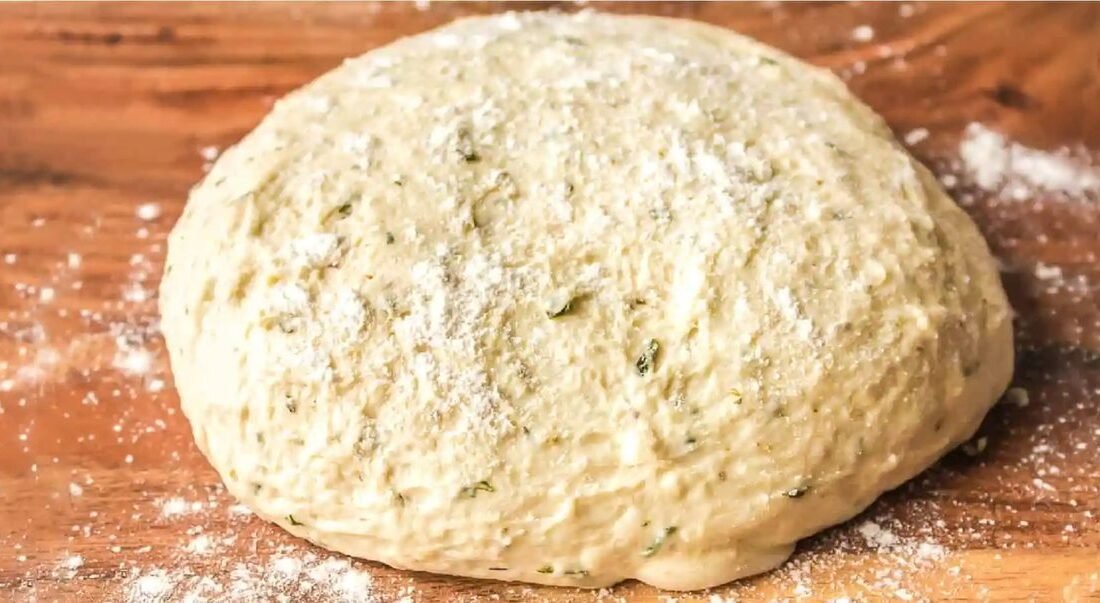
My first pizza dough was a cracker that could have been used as a frisbee. My fiftieth was leopard-spotted, chewy, and better than most delivery. The journey between them was not talent; it was learning that pizza dough is forgiving if you respect three things: hydration, time, and heat.
How to make pizza dough from scratch easily: a simple recipe, a slow rise, and the hottest oven you have. Here is the complete method.
How Can I Make Pizza Dough From Scratch Easily?
The recipe (makes two 12-inch pizzas): 500g bread flour (about 4 cups), 325g water (about 1 1/3 cups, 65% hydration), 10g salt (2 tsp), 7g instant yeast (2.25 tsp), 15g olive oil (1 tbsp). Mix until shaggy, knead 8-10 minutes until smooth and elastic (or use the no-knead method: mix and refrigerate 24-72 hours; time develops the dough), then rise 1-2 hours at room temperature or cold-ferment in the fridge for the best flavor. Cold fermentation is the pizzeria secret: 24-72 hours in the fridge develops complex flavor that same-day dough cannot match.
Shaping is the skill that looks hard and is not. How can I make pizza dough from scratch easily without tearing it? Let the dough come to room temperature, press from the center outward leaving a puffy rim, and stretch over your knuckles, letting gravity do the work. Never use a rolling pin; it crushes the air bubbles that become the crust’s structure. If the dough springs back, rest it 10 minutes and try again; gluten relaxes with rest, and fighting it tears it.
- 65% hydration baseline. 500g flour, 325g water. Tacky is right; sticky is too wet.
- Cold ferment 24-72h. The flavor secret. Plan ahead, taste the difference.
- Hottest oven possible. 550F+, preheated stone or steel 45+ min. Heat is everything.
- Stretch, never roll. Knuckles and gravity. Preserve the air bubbles.
- Less topping is more. Sparse toppings cook through. Loaded pizzas go soggy.
- Parchment for easy launching. Build on parchment, slide onto the hot surface.
- Sauce: crushed tomatoes + salt. Uncooked sauce. The oven cooks it. Simplicity wins.
- Rest dough if it fights. 10 minutes rest relaxes gluten. Patience shapes better.
Baking is where home ovens struggle, and the fixes are known: preheat a pizza stone or steel at your oven’s maximum (usually 550F) for at least 45 minutes; the thermal mass mimics a pizza oven’s floor. Bake 6-8 minutes until leopard-spotted. A pizza steel ($80-$100) outperforms stone for home ovens, transferring heat faster for better crust. The broiler finish (30-60 seconds at the end) adds char. And the cast iron skillet method, dough in a screaming-hot skillet, topped, then under the broiler, produces excellent pizza with no special equipment.
Troubleshooting Common Dough Disasters
Tough and crackery: under-hydrated or over-rolled; increase water slightly and stretch by hand. Soggy center: too many toppings, oven not hot enough, or sauce too watery (drain canned tomatoes). Dough tears: under-rested gluten or over-stretched thin spots; rest and handle gently. No rise: dead yeast (check dates, water too hot) or too-cold room; find warmth and verify yeast. Bland crust: under-salted or same-day dough; salt properly and cold-ferment next time.
The 00 flour question: Italian 00 flour makes a marginally more tender crust, but good bread flour gets you 90% of the way. Technique and fermentation matter far more than flour type for beginners. Master the method with bread flour; upgrade the flour when the method is automatic.
Quick Answers to Common Questions
How long does pizza dough need to rise?
1-2 hours at room temperature for same-day, or 24-72 hours cold-fermented in the fridge for best flavor. Longer cold fermentation is the pizzeria difference.
Can I freeze pizza dough?
Yes, after the first rise: portion, oil lightly, freeze in bags up to 3 months. Thaw overnight in the fridge, then room temp 1-2 hours before shaping.
Why is my pizza dough tough?
Usually under-hydration, overworking, or rolling-pin crushing. Wetter dough, gentle hand-stretching, and adequate fermentation fix it.
What temperature for homemade pizza?
As hot as your oven goes, typically 550F, with a preheated stone or steel. Home ovens cannot match pizza ovens, so maximize thermal mass and preheat time.
My Pizza Dough Checklist
- 500g flour, 325g water, 10g salt, 7g yeast. 65% hydration. Weigh it.
- Cold ferment 24-72 hours. Flavor develops with time. Plan ahead.
- Stretch by hand, never roll. Knuckles + gravity. Keep the bubbles.
- 550F + preheated steel/stone. 45+ min preheat. Heat is the oven.
- Top sparingly. Less is more. Soggy is the enemy.
What I Would Do Next
Friday is pizza night now, and the dough ferments in the fridge all week waiting for it. The leopard-spotted crusts, the chew, the way the kitchen smells, it is better than delivery in every way that matters, and it costs about $2 per pizza. Dough fifty was worth the forty-nine before it. Start your cold ferment tonight; Friday you will understand.
How to make pizza dough from scratch easily: simple recipe at 65% hydration, cold ferment for flavor, hand-stretch gently, and bake as hot as possible on preheated steel. Time and heat do the work.
Mix it tonight. Friday night will never be the same.
The same dough is a platform, not just pizza: stromboli (rolled with fillings), calzones (folded half-moons), garlic knots (tied strips baked with garlic butter), and flatbreads all start from this exact recipe. Once the dough method is automatic, a whole family of Italian baking opens up with zero new skills. Friday pizza becomes Saturday stromboli with the leftover dough ball, and the cold ferment means the dough is always ready when you are.
For the truly obsessed, the next levels are 00 flour, a baking steel (already recommended), and eventually an outdoor pizza oven, which reaches the 800F+ temperatures that create true Neapolitan leopard-spotting in 90 seconds. But the honest truth is that a home oven at 550F with a steel produces pizza better than 90% of restaurants; the outdoor oven is a hobby, not a necessity. Master the home oven first. The steel and the ferment are 95% of the result.
Related reading: How Can I Travel Comfortably with Dietary Restrictions.
Related reading: What Is the Best Caulk for Sealing a Bathtub.
Related reading: How Much Does It Cost to Replace Old Windows.
For official guidance, check out USDA food safety guidance and FoodSafety.gov storage charts.



