
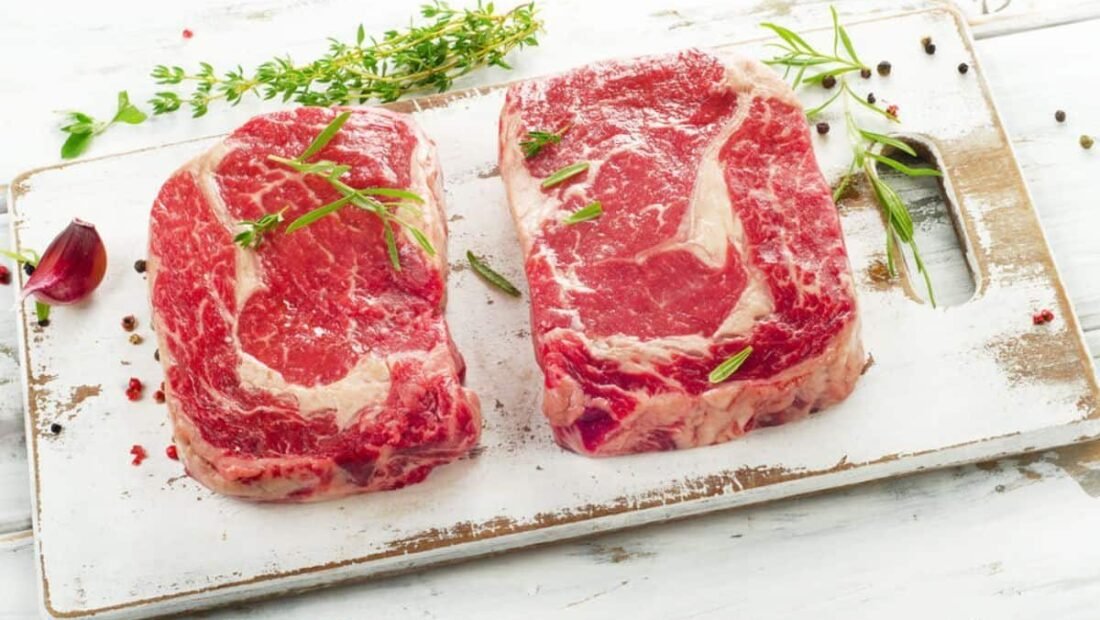
I used to think good steak meant ribeye or nothing, which meant steak was a special-occasion food. Then a butcher friend introduced me to chuck eye, flat iron, and properly cooked flank, and steak night became a Tuesday thing. The expensive cuts are foolproof; the cheap cuts are flavorful, and flavor is what you actually taste.
What is the best cheap cut of steak for grilling? The top answers: chuck eye, flat iron, skirt, flank, and tri-tip, each with its own technique. Here is the guide.
What Is the Best Cheap Cut of Steak for Grilling?
Chuck eye is the insider’s pick: cut from next to the ribeye, it shares the marbling and flavor at half the price or less. It is sometimes labeled poor man’s ribeye, and the nickname is earned. Look for chuck eye steaks with good marbling, about 1 inch thick, and grill them like ribeyes: screaming hot, 3-4 minutes per side for medium-rare. Availability varies; ask the butcher, because they often keep them in back.
Flat iron is the tenderness champion among cheap cuts: the second most tender muscle on the animal, uniform thickness, great beefy flavor, typically half the price of strip steak. What is the best cheap cut of steak for grilling when you want tenderness without technique? Flat iron. It grills evenly, needs only salt and pepper, and forgives slight overcooking better than leaner cuts.
- Chuck eye: the poor man’s ribeye. Next to the ribeye, half the price. Grill hot and fast.
- Flat iron: tenderness bargain. Second most tender cut. Even thickness, forgiving.
- Skirt: flavor bomb. Intense beefiness, best for fajitas. Hot and fast, slice against grain.
- Flank: lean and versatile. Marinate 4-8 hours, grill hot, slice thin against the grain.
- Tri-tip: the California classic. Roast-grill hybrid: sear then indirect to 130F. Slice against the grain.
- Sirloin: the all-rounder. Leaner, affordable, widely available. Do not overcook past medium.
- Hanger: the butcher’s steak. Incredible flavor, limited supply. Ask the butcher.
The technique that transforms cheap cuts: slice against the grain, always. Flank, skirt, and tri-tip have long muscle fibers; slicing with the grain gives chewy strips, slicing against it gives tender bites. It is the single highest-impact technique for cheap steaks, more important than marinades or rubs. Also, rest every steak 5-10 minutes before slicing; the juices redistribute instead of flooding the cutting board.
Marinades: When They Help and When They Hide
Marinades help lean cuts (flank, skirt) by adding surface flavor and slight tenderizing, but they cannot fix a bad cook. The effective marinade formula: acid (citrus, vinegar) or enzymatic (pineapple, papaya) plus oil plus salt plus aromatics, 4-8 hours for flank and skirt (longer turns texture mushy). For naturally tender cheap cuts like flat iron and chuck eye, skip the marinade; salt 40 minutes before grilling (or the night before) and let the beef speak.
The reverse sear deserves mention for thicker cheap cuts like tri-tip: slow indirect heat to 115-120F internal, then a screaming-hot sear to finish. It produces edge-to-edge pink with a great crust, the technique that makes a $15 tri-tip eat like a $40 steak.
Quick Answers to Common Questions
What is the cheapest steak cut?
Chuck steak and round are cheapest but need slow cooking, not grilling. For grilling specifically, chuck eye and sirloin offer the best price-to-quality ratio.
How do I make cheap steak tender?
Choose inherently tender cheap cuts (flat iron, chuck eye), do not overcook (medium-rare max for lean cuts), rest before slicing, and always slice against the grain.
Should I marinate cheap steak?
Lean cuts like flank and skirt: yes, 4-8 hours. Tender cheap cuts like flat iron: salt is enough. Marinades add flavor; they do not replace proper cooking.
What temperature for medium-rare steak?
130-135F internal after resting. Pull from heat at 125-130F; carryover cooking finishes the job. A thermometer is the difference between guessing and nailing it.
My Cheap Steak Checklist
- Ask the butcher for chuck eye. Often kept in back. Poor man’s ribeye.
- Flat iron for foolproof tenderness. Salt, grill, done. Forgiving cut.
- Slice against the grain. The #1 technique for flank, skirt, tri-tip.
- Rest 5-10 minutes. Juices redistribute. Do not skip.
- Thermometer to 130-135F. Medium-rare. Guessing ruins good meat.
What I Would Do Next
Tuesday steak night is now a tradition, usually flat iron or chuck eye, always sliced against the grain, always rested. The grocery bill barely notices; the dinner table definitely does. The expensive cuts are for restaurants showing off. The cheap cuts, cooked right, are for people who actually love steak.
What is the best cheap cut of steak for grilling? Chuck eye for ribeye flavor, flat iron for tenderness, skirt and flank for bold beefiness with proper slicing. All under half the price of premium cuts.
Learn the grain, buy the thermometer, and make steak night a Tuesday thing.
The dry-brine technique improves every cheap cut: salt the steak generously 40 minutes to 24 hours before cooking (uncovered in the fridge for the long version). Salt draws moisture out, then the moisture dissolves the salt and gets reabsorbed, seasoning the meat deeply and drying the surface for a better sear. It is the single highest-impact preparation step, more transformative than any marinade, and it costs nothing but planning.
For serving a crowd on a budget, the tri-tip is unbeatable: one $20-$30 roast feeds 4-6 people generously when sliced thin against the grain, working out to $4-$5 per person for steakhouse-quality beef. Pair with chimichurri (parsley, garlic, olive oil, vinegar) and the perceived value doubles; chimichurri’s brightness against rich beef is the classic pairing for a reason. Cheap steak plus bold sauce is the entertainer’s formula.
Related reading: What Are the Best Low-maintenance Landscaping Ideas.
Related reading: How Much Does a New Water Heater Cost Installed.
Related reading: How Do I Keep Avocados from Turning Brown.
For official guidance, check out FoodSafety.gov storage charts and USDA food safety guidance.



