
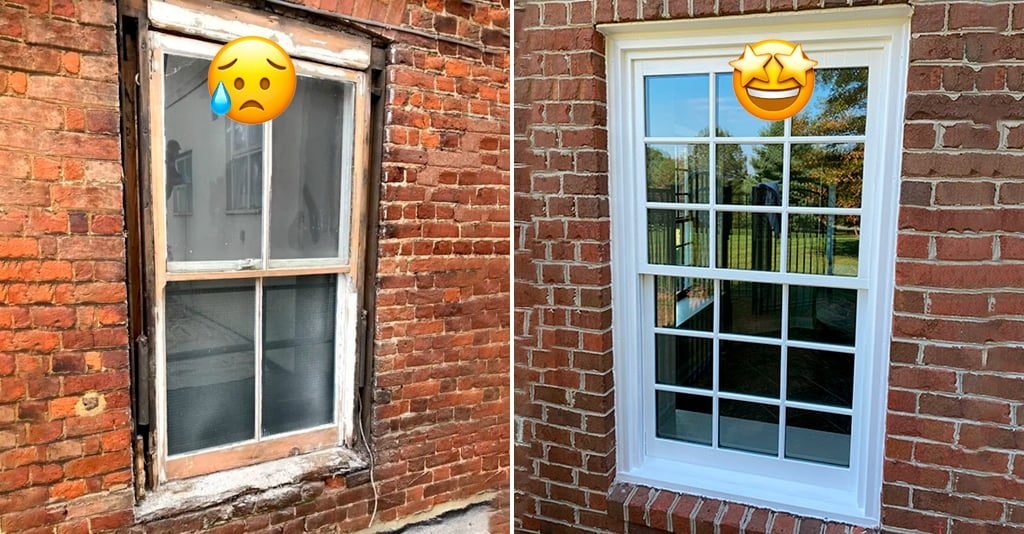
Our 1960s ranch had original single-pane windows that rattled in the wind and grew frost on the inside every January. The replacement quotes ranged from $8,000 to $22,000, which told me the window industry prices like the airline industry: the number depends on who is asking and how badly they want the sale.
How much does it cost to replace old windows? The honest range is $300 to $1,000+ per window installed, with most homeowners paying $500 to $700 per window for quality vinyl replacements. Here is what drives the number.
How Much Does It Cost to Replace Old Windows?
The per-window math has three components: the window itself ($150 to $600 for vinyl, $400 to $1,000+ for wood or fiberglass), installation labor ($100 to $300 per window), and the extras (trim, disposal, permits). A standard double-hung vinyl window, the most common replacement, typically lands at $450 to $650 installed. Ten windows therefore costs $4,500 to $6,500 in most markets. Full-frame replacement (removing the entire old frame down to the studs) costs 20 to 50% more than insert replacement (fitting a new window into the existing frame) but fixes rot and air leaks around the old frame.
Material choice is the biggest cost lever. How much does it cost to replace old windows in wood versus vinyl? Vinyl is the value champion: affordable, energy-efficient, and nearly maintenance-free, which is why it dominates the replacement market. Wood windows are beautiful and expensive ($800-$1,500+ installed) and need regular painting. Fiberglass splits the difference: strong, stable, paintable, $600-$1,200 installed. Aluminum is cheap but a poor insulator, rarely the right choice for homes.
- Get at least three quotes, and make them itemized. Window quotes are notoriously padded. Itemization per window exposes the games.
- Insert vs full-frame matters. Inserts are cheaper and fine when existing frames are solid. Full-frame fixes rot and leaks but costs 20-50% more.
- Vinyl is the value pick. $450-$650 installed for quality double-hung. Energy Star rated, maintenance-free.
- Double-pane, Low-E, argon-filled is the standard. This is the baseline worth buying. Triple-pane only pays off in extreme climates.
- Beware the high-pressure sales pitch. The window industry is famous for today-only discounts and inflated list prices. Never sign at the kitchen table.
- Check for rebates and tax credits. Energy-efficient windows often qualify for utility rebates and federal tax credits. Check current programs before buying.
- Consider phasing the project. Replace the worst offenders (drafty, broken seals) first. Doing all windows at once gets bulk pricing, but phasing is valid.
- Measure the payback honestly. New windows save $100-$400/year on energy. At $600/window, payback is 10-20 years. Comfort and noise reduction are the real returns.
The repair-versus-replace question deserves honesty. If your old windows are solid wood with broken ropes or worn weatherstripping, repair ($50 to $200 per window for reglazing, new weatherstripping, and sash cords) can deliver most of the comfort improvement at a tenth of the cost. Replacement makes sense when frames are rotted, seals are blown (foggy double-pane), or operation is broken. Do not let a salesperson tell you repair is impossible; window restoration is a thriving trade.
Spotting the Sales Games
The replacement window industry has earned its reputation. Red flags: list prices inflated to make 50%-off discounts look generous, pressure to sign today, quotes that will not itemize per window, and disparagement of all competitors. Legitimate companies give written itemized quotes, encourage comparison shopping, and have verifiable local references. The buy-one-get-one-free window company is selling you two windows at the price of one marked-up window.
Also verify installation quality promises: proper flashing, insulation around the frame (low-expansion foam, not stuffed fiberglass), and interior/exterior trim finishing. A great window installed badly performs like a bad window. Ask how they flash and seal, and watch for hesitation.
Quick Answers to Common Questions
How long do replacement windows last?
Quality vinyl windows last 20-30 years; wood 30+ with maintenance; fiberglass 30-50 years. Warranties vary; read the fine print on glass seal failure coverage.
Is it worth replacing old windows?
For comfort, noise, and ease of use, yes. For pure energy payback, the math is slow (10-20 years). Replace the worst windows first and repair what is repairable.
What is the best time of year to replace windows?
Fall and winter often bring better pricing as installers fill schedules. Installation in cold weather is fine; crews do one window at a time to limit exposure.
Should I replace all windows at once?
Bulk pricing favors doing them together, and one disruption beats several. But phasing by priority (worst first) is financially sensible and common.
My Window Project Checklist
- Assess repair vs replace honestly. Solid frames with worn parts: repair. Rot or blown seals: replace.
- Get three itemized per-window quotes. Expose the padding. Never sign same-day.
- Choose vinyl double-pane Low-E argon. The value baseline. Triple-pane only for extreme cold.
- Verify installation details. Flashing, foam insulation, trim finishing. In writing.
- Claim rebates and tax credits. Check utility and federal programs before buying.
What I Would Do Next
We replaced our ten worst windows with mid-range vinyl for $5,800, repaired three salvageable wood ones for $400, and the house is transformed: quiet, draft-free, and the windows actually open. The phased approach let us afford quality where it mattered instead of cheapness everywhere. Start with the windows you complain about most; you already know which ones they are.
How much does it cost to replace old windows? $500 to $700 per window for quality vinyl installed, with repair as the smart alternative for salvageable frames. Itemize the quotes, resist the pressure tactics, and phase if needed.
Your windows should open easily, close tightly, and keep the weather outside. Anything less is a project waiting to happen.
Related reading: How Do I Patch a Hole in Drywall Myself.
Related reading: How Can I Soundproof a Bedroom on a Budget.
Related reading: What Is the Best Way to Pack Souvenirs without Breaking Them.
For official guidance, check out EPA guidance on indoor air quality and Family Handyman project walkthroughs.



