
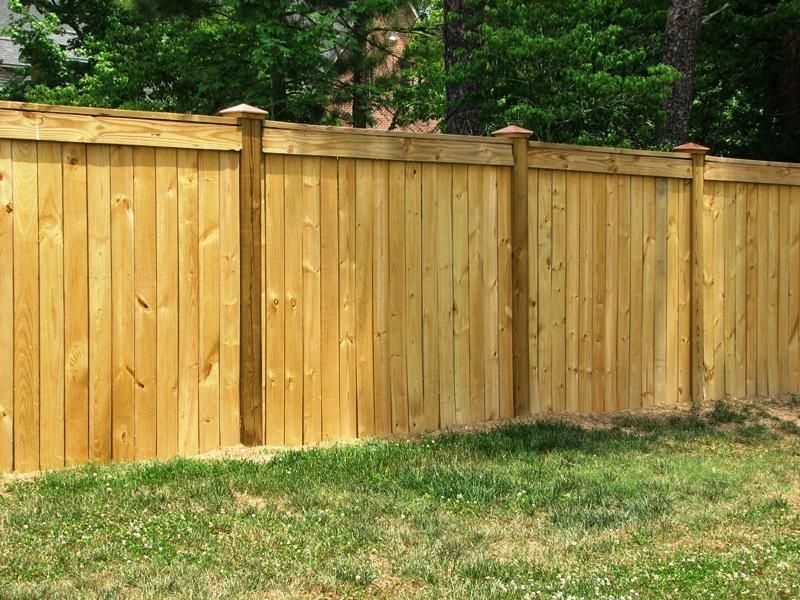
When we needed to fence our backyard for the dog, quotes ranged from $4,000 to $12,000, and I nearly gave up. Then a neighbor showed me his DIY fence that cost him $1,800 in materials and two weekends. The fence industry has a secret: the cheapest good fence is the one you build yourself from the cheapest suitable material.
What is the cheapest fence option for a backyard? Chain link wins on pure price, wood pallets and split-rail win on rustic charm per dollar, and pressure-treated pine wins for a real privacy fence. Here are the honest numbers.
What Is the Cheapest Fence Option for a Backyard?
Chain link is the undisputed price champion: $8 to $15 per linear foot installed professionally, or $5 to $8 per foot DIY for materials. It is not pretty, but it is functional, durable, and the fastest to install. For dog containment on a budget, it is the rational choice. Black vinyl-coated chain link looks dramatically better than galvanized for a modest premium and is worth every penny of the difference.
For privacy on a budget, pressure-treated pine is the answer. What is the cheapest fence option for a backyard that actually blocks the neighbors’ view? A DIY pine privacy fence runs $12 to $20 per linear foot in materials; professionally installed, $25 to $45 per foot. Cedar costs more ($15-$30 DIY) but looks better and lasts longer without treatment. The pro installation premium is steep because fencing is labor-intensive: setting posts in concrete across a whole yard is genuinely hard work, which is why DIY saves so much here.
- Chain link: $5-$15/ft. Cheapest overall. Best for pet containment. Get black vinyl-coated for looks.
- Pressure-treated pine: $12-$45/ft. Cheapest real privacy fence. DIY saves half. Stain it for longevity.
- Split rail: $10-$25/ft. Rustic, cheap, but zero privacy and dogs walk through. Add wire mesh for containment.
- Pallet fence: nearly free. Reclaimed pallets make a rustic fence for the cost of screws. Uneven, but charming and nearly free.
- Bamboo: $10-$20/ft. Fast-growing aesthetic, decent privacy, but shorter lifespan and variable quality.
- Wire mesh / welded wire with wood posts: $8-$18/ft. The farmhouse look: wood posts with wire infill. Cheap, attractive, good for dogs.
- Vinyl: $40-$70/ft installed. Not cheap upfront, but zero maintenance for decades. Cheapest over 20 years.
The hidden costs that ambush fence budgets: gates ($150 to $400 each, and you need at least one), permits and surveys (a fence on the wrong side of the property line is a legal nightmare; a $300 survey is cheap insurance), HOA approvals, rocky soil that makes post-setting miserable, and old fence removal ($3 to $5 per foot). Always call 811 before digging; hitting a utility line is the most expensive fence mistake possible.
DIY vs Pro: Where the Money Goes
Fencing is one of the highest-DIY-value projects because materials are often less than half the installed price. A 150-foot pine privacy fence might cost $2,500 in materials and $6,000 installed. The work is straightforward but physical: dig post holes 2 feet deep (below frost line in cold climates), set posts in concrete, attach rails, hang pickets. Two weekends for a typical yard with a helper. Rent a gas-powered auger ($75/day); hand-digging 20 post holes will break your spirit.
Hire a pro when: the yard has significant slope (stepped fencing is skilled work), soil is rocky, you need the fence fast, or local code requires licensed installation. Get three quotes and check that they include gates, cleanup, and concrete in the per-foot price.
Quick Answers to Common Questions
How much does a backyard fence cost on average?
For a typical 150-linear-foot yard: $1,500-$3,000 DIY chain link, $2,500-$4,000 DIY wood privacy, $4,000-$8,000 professionally installed wood, $6,000-$12,000+ for vinyl or ornamental metal.
Do I need a permit for a fence?
Usually yes, and most areas limit height (typically 6 feet for backyards, 4 for front). Check local codes and HOA rules before buying materials. Some areas also require surveys.
How deep should fence posts be?
At least 2 feet deep, or below the frost line in cold climates (3-4 feet in northern states). One-third of the post length underground is the rule of thumb. Set in concrete for longevity.
What fence is best for dogs?
Chain link or wire mesh with wood posts for budget containment; privacy wood if the dog barks at everything visible. Bury wire 6-12 inches or add a dig barrier for escape artists.
My Fence Project Checklist
- Call 811 before digging. Free utility marking. Hitting a line is catastrophic.
- Verify property lines. $300 survey beats a neighbor lawsuit.
- Check permits and HOA rules. Height limits and approvals first, materials second.
- Price DIY vs pro honestly. Materials often under half of installed cost.
- Budget for gates and removal. $150-$400 per gate, $3-$5/ft for old fence removal.
What I Would Do Next
We built the pine privacy fence ourselves over two long weekends: $2,700 in materials, one rented auger, and a neighbor paid in barbecue. Three years later it is weathered to a nice gray, the dog has never escaped, and I still feel disproportionate pride every time I look at it. The cheapest fence is not the cheapest material; it is the one you build with your own hands.
What is the cheapest fence option for a backyard? Chain link for pure budget, pressure-treated pine DIY for privacy, and your own labor as the biggest discount available.
Call 811, check the property line, rent the auger. The fence is waiting.
Related reading: How Can I Find Pet-friendly Hotels for a Road Trip.
Related reading: What Is the Best Way to Pack Souvenirs without Breaking Them.
Related reading: How Do I Fix a Door That Will Not Latch Properly.
For official guidance, check out Family Handyman project walkthroughs and EPA guidance on indoor air quality.



