A stocked freezer changes the first weeks with a new baby from a daily scramble for food into a simple choice: pick a container, heat it, eat. The meals that help most are not fancy. They are the ones that reheat without fuss, can be eaten while holding a baby, and still taste good when dinner happens much later than planned.
What Makes a Freezer Meal Work for New Parents
Four tests decide whether a meal earns freezer space. It must reheat well after freezing, without turning rubbery, watery, or dry. It should be possible to eat with one hand or from a mug or bowl, because the other hand is often busy. Cleanup must stay minimal, ideally one pan, one dish, or a container that goes straight into the oven. And timing must be forgiving, so a meal that sits for twenty extra minutes while a feeding or a diaper change takes over does not suffer for it.
Comfort food passes those tests most easily. Pasta bakes, chilis, soups, and braised meats hold up in the freezer and welcome reheating. Fried food, crisp toppings, and dishes built around fresh herbs or delicate greens do not. Raw potato can turn grainy after freezing, and cream added before freezing can separate, though a good stir after reheating often brings a sauce back together. When a recipe is new, freezing a single small portion first shows how it behaves before a full batch takes up space.
Packaging Checklist to Run Through Before Anything Goes In
- Cool food fully before sealing and freezing, so steam does not create ice crystals inside the container.
- Squeeze out air from every bag. Air is the main cause of freezer burn and off flavors.
- Freeze flat where possible. Soups, chilis, and shredded meats in flat bags stack neatly, save space, and thaw faster than the same food in a deep tub.
- Use the right container for the job. Bags suit liquids and flat packs. Foil pans suit casseroles that go straight from freezer to oven. Small single-serving containers suit nights when only one person is eating.
- Portion in two sizes. Family portions cover shared dinners. Single portions cover solo lunches and late-night meals.
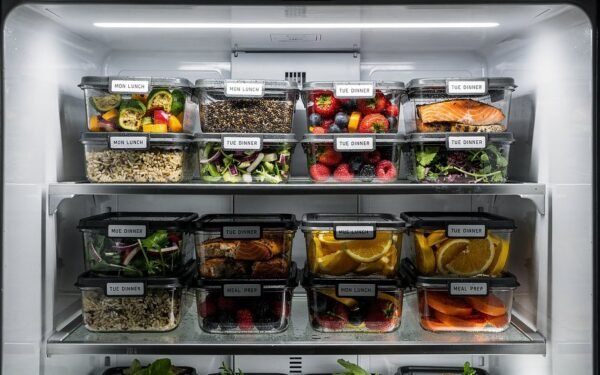
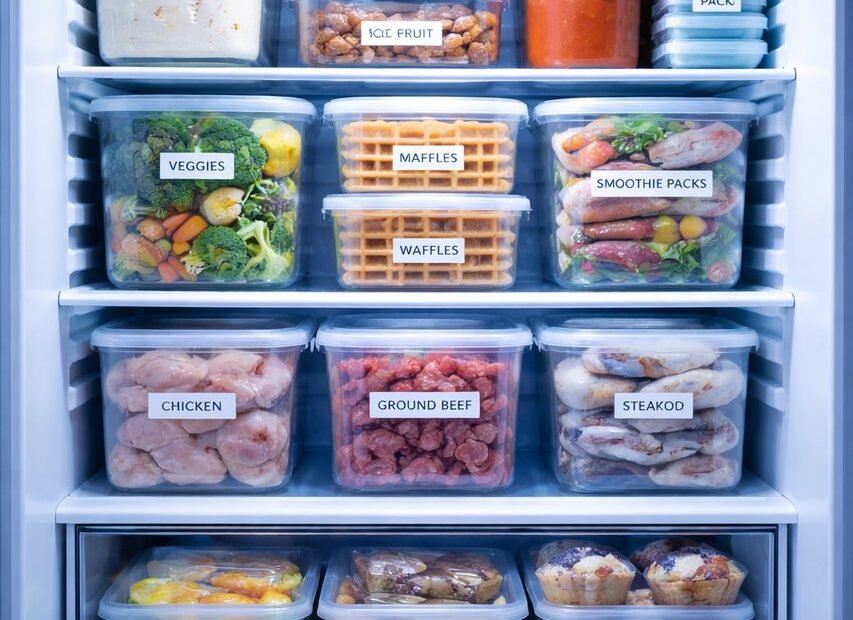
- Label every container with three things: the meal name, the date it was frozen, and plain reheating directions. Write them for a tired reader, for example: “Baked ziti — 375°F, 45 min covered, 15 uncovered.”
- Leave a little headspace in rigid containers for soups and stews, since liquid expands as it freezes.
- Keep a simple list on the freezer door or on a phone, and cross meals off as they are used, so nothing gets buried and forgotten.
Good labeling does more work than any special container. A perfect meal with no name and no directions becomes a mystery block that nobody wants to gamble on at midnight. A strip of masking tape and a marker handle the job well and hold up in the cold. For general time limits on frozen dishes, StillTasty’s freezer storage database gives a quick check by food type. As a working rule for the meals below, plan to use them within three months for best quality, and build a stock of roughly fifteen to twenty-five meals to cover the first two to three weeks.
The 15 Freezer Meal Ideas
Each idea below freezes well, reheats in one step, and fits the one-hand, low-cleanup test. Notes on reheating assume a fridge thaw overnight where that helps, with a from-frozen option where timing slips.
- Baked ziti with sausage. Assemble pasta, sauce, sausage, and cheese in a foil pan and freeze unbaked or baked. Thaw overnight, then bake at 375°F until bubbling, about 45 minutes covered and 15 minutes uncovered. From frozen, add extra covered time and check the center is hot.
- Chicken enchiladas. Roll chicken and cheese in tortillas, cover with sauce and more cheese, and freeze in a pan. Bake covered until the sauce bubbles and the center is hot. The sauce keeps the tortillas from drying out during reheating.
- Slow-cooker pulled pork. Freeze cooked, shredded pork in flat bags with some of its juices. Thaw overnight and warm gently in a pot or microwave. Pile onto buns, tuck into tortillas, or spoon over rice. The juices keep the meat moist on the second heating.
- White chicken chili. A broth-based chili with chicken, white beans, and mild green chiles that freezes without separating. Reheat from thawed on the stove until steaming, or from frozen over low heat with frequent stirring. Serve in a mug for true one-handed eating.
- Lasagna roll-ups. Roll filling and sauce inside single lasagna noodles instead of layering a full pan. Freeze the rolls in sauce. Each roll is a built-in portion, so one or two can be reheated in the microwave or oven without committing to a whole tray.
- Breakfast burritos. Wrap scrambled eggs, sausage, cheese, and cooked potato in large tortillas, then wrap each burrito in foil. Freeze in a bag. Microwave for about two minutes, turning once, for a filling meal at any hour, not just morning.
- Meatballs in marinara. Freeze cooked meatballs on a tray, then bag them with or without sauce. Drop frozen meatballs straight into simmering sauce, or reheat in sauce in the microwave for subs and pasta. Tray-freezing first keeps them separate instead of stuck in a lump.
- Chicken pot pie filling. Freeze only the cooked chicken and vegetable filling in bags. On serving day, warm the filling and top it with store-bought biscuits or a sheet of pastry baked separately. Keeping the topping fresh avoids a soggy crust.
- Lentil soup. Lentils, vegetables, and broth freeze and reheat with almost no change in texture. Warm on the stove or in the microwave, adding a splash of water if the soup thickened in the freezer. A squeeze of lemon at serving brightens the bowl.
- Baked oatmeal cups. Bake oatmeal in a muffin tin with fruit and nuts, cool, and freeze the cups in a bag. One cup reheats in about 30 seconds in the microwave, making a fast breakfast or snack that needs no bowl washing beyond a small plate.
- Beef stew. Beef, carrots, onions, and potatoes in a rich broth, cooked until tender before freezing. Reheat slowly on the stove until the beef is hot all through. The flavors often taste deeper after freezing and reheating, as the seasoning settles into the meat.
- Stuffed peppers. Fill pepper halves with seasoned meat, rice, and tomato sauce, then freeze in a pan or as single portions. Microwave a single pepper until hot, or bake several at once. The pepper holds the filling together, so the meal stays neat to eat.
- Baked mac and cheese. Freeze in a foil pan or in single portions. Reheat covered to keep moisture in, and stir in a splash of milk partway through to restore a creamy texture. Uncover near the end if a firmer top is wanted.
- Turkey meatballs and veggie soup. A lighter soup with small turkey meatballs and mixed vegetables in broth. Freeze flat in bags and reheat on the stove. The smaller meatballs heat through faster than large ones, which helps on a busy night.
- Cookie dough balls. Scoop dough into balls, freeze solid on a tray, then bag. Bake from frozen, adding a minute or two to the usual time. A warm cookie needs no thawing decision and no mixing bowl, which is exactly the point at midnight.
Thawing, Reheating, and Food Safety Basics
The easiest path is to move a meal from freezer to fridge the night before, then reheat it the next day. Casseroles and enchiladas benefit most from that slow thaw, since the center heats evenly without overcooked edges. Soups, chilis, stews, and pulled pork can go straight from frozen into a pot over low heat. Add extra time, stir often, and keep the heat gentle at first so the outside does not scorch while the middle is still icy.
In the microwave, reheating in short bursts with stirring gives a more even result than one long blast, especially for dense pasta bakes. Let food stand for a minute or two after heating so the temperature evens out. Reheat leftovers until steaming hot all through, and avoid reheating the same portion more than once. If a meal was thawed in the fridge and plans change, cook it within a day or two rather than pushing it to the end of the week.
The same labeling and rotation habits that help a household freezer also help with everyday planning beyond the newborn stage, much like the approach behind how to meal prep healthy lunches for the whole week: cook once in a useful quantity, portion clearly, and make the next meal a decision that is already made.
Building the Stock Without a Marathon Cooking Day
Fifteen to twenty-five meals sounds like a lot until the stock is built gradually. Doubling a dinner recipe and freezing half is the lowest-effort route. Two weeks of normal cooking, doubled a few times a week, fills a freezer without a single exhausting prep session. Cooking one extra recipe on a quiet day each week in the last month before the due date works the same way.
If friends or family offer help, a labeled freezer meal beats a vague offer every time. Ask helpers to write the name, date, and reheating steps on the container, and to include a few single portions alongside family trays. Paper plates and napkins tucked into the delivery get used more than expected and cut down on dishes during the hardest days.
Start with the meals a household already likes, in flavors that feel familiar. A freezer full of trusted food, clearly labeled and easy to heat, is a practical form of rest. On the nights when cooking is out of the question, dinner is already handled.