
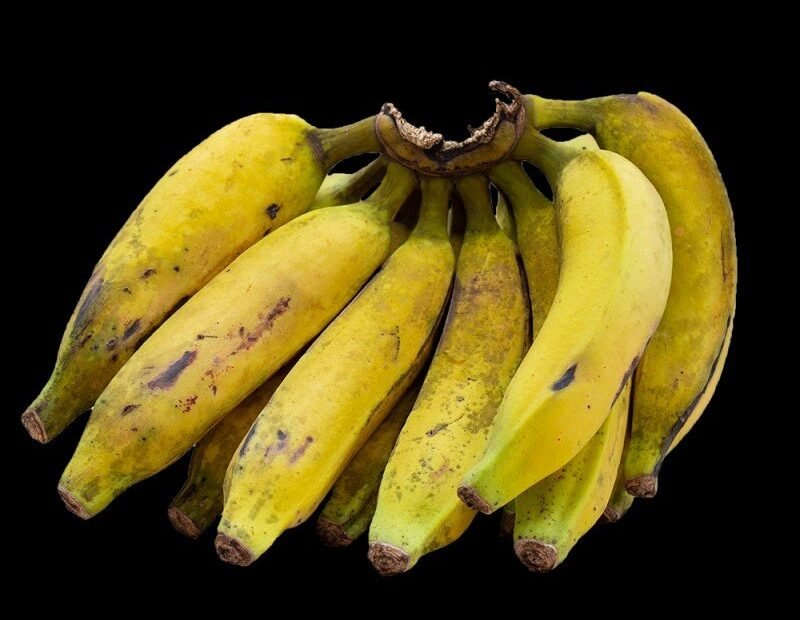
Let’s be honest up front: a banana sitting on your counter will not stay fresh for two weeks. That’s biology, not a storage failure. But you absolutely can keep bananas edible and delicious for two weeks — you just have to match your storage method to the banana’s ripeness stage, and use the freezer like the time machine it is.
The trick is thinking of a banana’s life in three acts: green to yellow (counter), perfectly ripe (fridge), and beyond (freezer). Most people only use act one, then watch the fruit race past perfect into mush. Here’s how to stretch each stage and waste almost zero bananas.
The Stage-by-Stage Plan to Keep Bananas Fresh for Two Weeks
Days 1 to 5: keep green or just-turning bananas on the counter, ideally hanging. Hanging prevents bruising on the contact points, and bruises are where browning starts. Keep them away from other fruit — bananas emit ethylene gas that ripens everything nearby, including themselves. A banana hook or even a simple mug-tree arrangement works.
Days 5 to 8: once the banana hits your ideal ripeness (I like them at the first sign of brown speckles, when they’re sweetest), move them to the fridge. Yes, the peel will turn brown or black — ignore it. The cold dramatically slows the ripening of the flesh inside, buying you 3 to 5 extra days of perfect eating texture. The dark peel freaks people out, but the banana inside is fine. This is the step most people miss.
The Freezer: Your Two-Week Insurance Policy
Days 8 to 14 and beyond: peel ripe bananas, slice them into chunks, and freeze them in a single layer on a parchment-lined sheet before transferring to a freezer bag. Frozen banana chunks keep beautifully for months, let alone two weeks. They blend into ice-cream-thick smoothies, mash into instant ‘nice cream’ with a splash of milk, and work in any baked recipe calling for mashed banana.
The critical detail: peel before freezing. A frozen unpeeled banana is nearly impossible to peel — you’ll be chiseling at it with a knife, which is both sad and dangerous. Squeeze the air out of the bag to prevent freezer burn, label it with the date, and you’ve got banana insurance for smoothies, banana bread, and pancake emergencies.
Reference: USDA food storage guidance.
Reference: StillTasty’s banana storage guide.
Banana Storage Rules That Actually Work
The complete playbook, from purchase to freezer:
- Buy a mix of ripeness levels — some green, some yellow — so they don’t all peak on the same day.
- Separate the bunch. Individual bananas ripen slower than a clustered bunch because ethylene concentrates between touching fruit.
- Wrap the stem ends in plastic wrap or foil. The stems are the main ethylene escape route; sealing them slows ripening noticeably.
- Hang bananas instead of laying them down. Fewer pressure bruises means fewer brown spots.
- Move perfectly ripe bananas to the fridge. The peel darkens but the flesh stays perfect for days longer.
- Freeze peeled, sliced bananas flat on a tray first, then bag them. No clumps, easy portioning.
- Use frozen bananas within 3 months for best flavor, though they’re safe indefinitely at 0°F.
What About Those Viral Hacks?
You’ve probably seen the videos: wrapping stems in plastic (works, as noted above), storing bananas in a paper bag with an apple to ripen them faster (works — the apple’s ethylene accelerates things, useful when you need ripe bananas for baking tomorrow), and the infamous ‘hang them in a dark closet’ advice (the dark part doesn’t matter; the hanging does). One hack to skip: separating bananas and wrapping each entire banana in plastic wrap. It marginally slows ripening but creates absurd plastic waste for minimal gain.
And the brown-sugar trick for overripe bananas isn’t storage — it’s surrender, delicious surrender. When a banana goes fully brown and you don’t want to freeze it, that’s banana bread calling. Some of the best banana bread of your life is hiding in those sad brown bananas.
Frequently Asked Questions
Is it safe to eat a banana with a black peel from the fridge?
Yes — the black peel looks alarming but the flesh inside is perfectly fine. Refrigeration dramatically slows ripening of the flesh while the peel darkens from the cold. Peel it and check: if the banana inside looks and smells normal, it’s good. Your eyes are lying; your nose knows the truth.
Can I ripen bananas faster?
Yes — put them in a paper bag (loosely closed) with an apple or a ripe banana. The concentrated ethylene gas speeds ripening significantly, often overnight. Need bananas for baking tomorrow? This is your move. Just check them — the line between perfectly ripe and overripe is thin when you’re accelerating things.
What’s the best use for frozen bananas?
Smoothies and ‘nice cream’ — frozen banana chunks blended with a splash of milk make an ice-cream-thick treat with no added sugar. They’re also perfect for banana bread (thaw and mash) and pancake batter. Freeze them peeled and sliced in a single layer first, then bag — no clumps, easy portions, months of use.
More from Daily USA Post
- Also see: how do I find free outdoor concerts in my city
- Our complete guide: what are fun rainy-day activities for teenagers
- how can I make homemade pasta without a machine — what you need to know
To keep bananas fresh for two weeks, work in stages: counter-ripen while green, refrigerate at peak ripeness (ignore the dark peel), and freeze peeled chunks for anything beyond day eight. No single trick covers two weeks, but the three-stage system does — and you’ll go from throwing away mushy bananas to having smoothie-ready fruit on demand. Your grocery budget and your blender both win.
Start the system this week: buy half your bananas slightly green, hang them away from other fruit, and move them to the fridge the moment they hit your ideal ripeness. By next week you’ll have the rhythm down — and a freezer bag of smoothie-ready chunks building quietly in the background.



