Here is the arithmetic nobody does on the Strip: five of the best days you will ever spend within reach of Las Vegas — a dam, two canyons, a below-sea-level basin of salt and dunes, an art installation in the open desert — together cost less than one night of mid-tier bottle service. Las Vegas sits in the middle of one of the great day-trip landscapes in America, and the standard trip wastes it, treating the city as the destination when it works better as a base camp. The ten trips below share two traits: each is comfortably doable in a day (the farthest asks about two and a half hours each way), and each is different enough from the neon to feel like a second vacation inside the first. A rental car for the day — often around $40 — is the best money in the whole Vegas budget.
The full list, up front
- Hoover Dam — 45 minutes. Engineering marvel; arrive early, walk the top for free.
- Red Rock Canyon — 30 minutes. Scenic loop drive; timed-entry reservation in season.
- Valley of Fire State Park — 1 hour. Petroglyphs and the Fire Wave; $10 entry.
- Seven Magic Mountains — 20 minutes. Free desert art installation; an easy first or last stop.
- Grand Canyon West — 2.5 hours. The Skywalk; tribal fees apply.
- Death Valley National Park — 2 hours. October to April only; a full and serious day.
- Zion National Park — 2.5 hours. Dawn start; the Narrows and Angels Landing country.
- Arizona Hot Springs — 1 hour. A slot-canyon hike ending at a real hot spring.
- Springs Preserve — 20 minutes. Museums and botanical gardens; the family pick.
- The Neon Museum — in town. The sign boneyard; the perfect half-day.
The near ring: an hour or less
Red Rock Canyon is the easiest yes on the list: a 13-mile scenic loop under rust-red cliffs, thirty minutes from the Strip, with pullouts, short hikes, and climbers on the walls. In the busy season the loop requires a timed-entry reservation, so book it before you go. Valley of Fire, Nevada’s oldest state park, is the photographer’s pick — an hour northeast, entry around $10, with 2,000-year-old petroglyph panels, striped sandstone waves, and light that is at its best in the morning before the tour buses arrive and the rock gets hot. Seven Magic Mountains, twenty minutes south, is seven towers of painted boulders standing in the empty desert — free, strange, and a perfect 30-minute stop on the way in or out of town. And the Springs Preserve, twenty minutes from downtown, is the insider family pick: museums, botanical gardens, and shaded trails that show the Mojave as a living place rather than a backdrop.
Hoover Dam, done properly
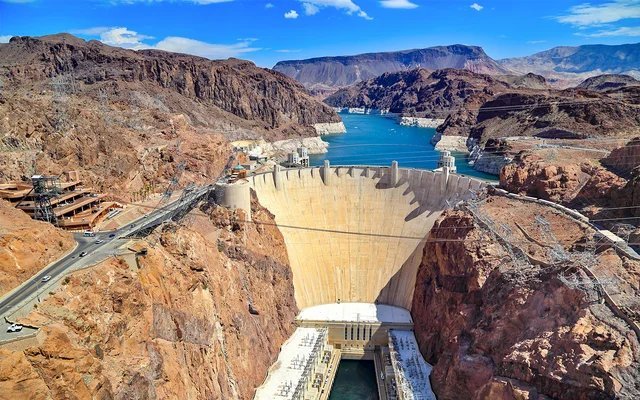
Hoover Dam earns its own section because most visitors do the shallow version — a photo from the walkway and back in the car. Go early, before the crowds and the heat build. The free walk across the top takes about an hour at a dawdling pace and gives you the full scale: the curve of the dam, Lake Mead behind it, the bridge downstream. The powerplant tour (around $15) goes down inside the dam to the generator halls and is the version people remember; it sells out on busy days, so it is worth being in the first groups. Combine the dam with the Arizona Hot Springs trail if you have the legs for it — the trailhead is a few miles away on the Arizona side, the hike drops through a slot canyon to a ladder and a genuine hot spring beside the Colorado River, and it is moderately strenuous with real exposure to heat. Starting that hike late on a hot day is the one genuinely dangerous idea on this page.
The big three: full days, dawn starts
Death Valley, Grand Canyon West, and Zion are each a commitment: two to two and a half hours each way, and worth every mile when timed right. Death Valley is the largest national park in the lower 48 states — Badwater Basin at 282 feet below sea level, the Mesquite Flat dunes, Zabriskie Point at sunrise, the painted hills of Artists Palette — and it is an October-to-April trip only; summer temperatures pass 120°F and turn sightseeing into hazard, a point that the National Park Service’s Death Valley guide makes bluntly and correctly. Grand Canyon West, on Hualapai land, is the closest rim to Vegas and home to the glass Skywalk; tribal fees apply on top of everything, and if your heart is set on the classic canyon day rather than the West Rim version, plan it as its own mission using the best way to see the Grand Canyon in one day. Zion asks for the earliest start of the three — arrive before the shuttle lines build, walk the Narrows’ first stretch or the Canyon Overlook trail, and be rolling home by mid-afternoon.
Pairing trips: the two-a-day plays
The list gets stronger when you combine it. Hoover Dam and the Arizona Hot Springs share a corridor — dam in the cool of the morning, the canyon hike after, and Seven Magic Mountains sits almost on the drive back into town if you route it right, turning one outing into a full and varied day without extra mileage anxiety. Red Rock Canyon pairs naturally with the Springs Preserve (desert geology in the morning, desert ecology after lunch), and the Neon Museum is the universal evening closer after any of the near-ring trips: home by four, showered by six, watching the old signs glow by seven. Valley of Fire deserves a morning entirely to itself but leaves the afternoon free for a slow Strip-side recovery. The pairing logic matters because Vegas days have a rhythm — the desert rewards early starts brutally and punishes midday starts with heat and crowds — so design each day as one anchor trip plus one light addition, never two anchors back to back.
Guided tour or your own wheels?
Every trip on this list is also sold as a guided tour from the Strip, and the honest comparison splits by destination. Tours win on simplicity: no driving after a late night, no navigation, hotel pickup, and for Death Valley a driver who knows where the shade and the fuel are. They lose on pace and price — expect to pay several times the cost of the rental car per person, to move at the group’s speed, and to leave the overlook when the schedule says so. Driving yourself wins on freedom and cost for groups of two or more, and it is close to mandatory for the photographers and hikers who want dawn light at Zabriskie Point or an unhurried hour among the petroglyphs. The hybrid that suits many trips: drive the near ring and the dam yourself, and take a tour for the farthest, hottest, most logistically serious day — Death Valley — where a knowledgeable driver and a big air-conditioned vehicle are worth paying for. Whichever way you go, book the timed entries and tour seats before the trip, not from the hotel bed the night before; the dawn departures and reservation slots are the first thing to sell out.
The in-town gem and the rules that keep the desert fun
Not every escape needs a highway. The Neon Museum — the boneyard where the old Strip signs go to retire — is in town, best at dusk when the restored signs light up, and makes a perfect half-day or the gentle first evening of a trip. Book its tickets ahead; evening slots go first. Then the desert rules, which are short and non-negotiable: carry more water than you think you need (a gallon per person in the car, a liter in hand on any hike), never trust a fuel gauge past half in remote country, download offline maps because coverage vanishes, and tell the day’s heat the respect it has earned — shade and air conditioning are equipment, not comforts. Ten trips, one base camp, and the strange realization on the flight home: the Strip was the hotel. The desert was the vacation.
A last word on choosing among the ten, because the list is long and your days are not. With one free day, take Valley of Fire if you want color and quiet, Hoover Dam if you want scale and story, Death Valley (in season) if you want the story you will tell for years. With two days, add Red Rock at golden hour or the dam-and-springs pairing. With three, give Zion its dawn. Families with small children should weight the Springs Preserve and the Neon Museum higher than any mileage math suggests, and anyone traveling between June and September should treat the far trips as sunrise operations or skip them entirely. The desert is not going anywhere; the trick is simply to go out and meet it on its own early, hydrated terms. Do that, and Las Vegas becomes what it should have been all along: not a place you escape from the landscape into, but the most comfortable front porch the American desert ever built.