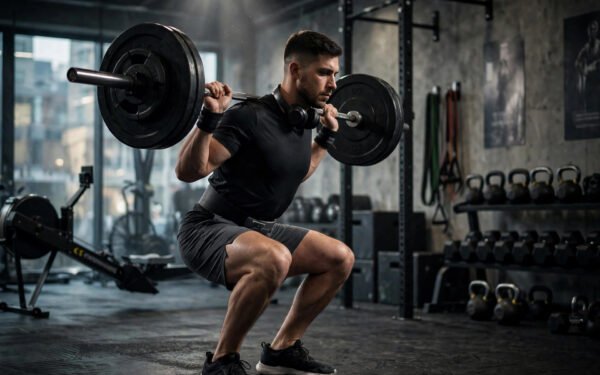
You crushed leg day. Now the stairs are your enemy, sitting down requires strategy, and walking looks like a cowboy movie. Delayed-onset muscle soreness (DOMS) peaks 24–72 hours after hard leg training, and while some soreness signals productive work, being wrecked for four days is not a badge of honor — it is a recovery failure. Here is how to recover faster after an intense leg day, backed by sports science rather than gym folklore.
What Is Actually Happening in Your Muscles
DOMS comes primarily from eccentric contractions — the lowering phase of squats, lunges, and Romanian deadlifts — which create micro-damage in muscle fibers. Your body responds with inflammation, fluid shifts, and sensitized nerve endings. That stiffness is the repair process, and it is necessary: the repair is what makes muscles bigger and stronger. The goal is not to eliminate soreness but to support the repair so it completes in 48 hours instead of 96. Understanding this reframes recovery from “fixing damage” to “funding construction.”
The First 2 Hours: The Recovery Window That Matters
Eat protein and carbs. The “30-minute anabolic window” is overstated, but getting 25–40g of protein and a solid serving of carbs within two hours of leg day genuinely accelerates repair. Carbs replenish glycogen; protein supplies amino acids. A chicken-and-rice bowl, Greek yogurt with granola, or a protein shake with a banana all qualify. For detailed timing strategies, see what to eat before and after a workout.
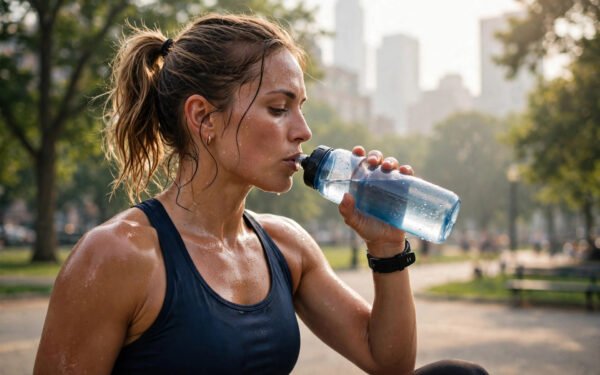
Rehydrate aggressively. Hard leg sessions in Texas heat can cost 2–4 pounds of sweat. Drink 24 ounces per pound lost, with electrolytes — sodium helps your body actually retain the fluid. Pale urine within a few hours is the target.
Cool down, don’t collapse. Five to ten minutes of easy cycling or walking after your last set helps clear metabolic byproducts and gradually lowers heart rate. Flopping onto the couch immediately is the worst option.
Sleep: The Master Recovery Tool
Growth hormone — the primary driver of tissue repair — pulses mainly during deep sleep. One bad night after leg day measurably impairs recovery; chronic short sleep makes every session less productive. Prioritize 7–9 hours the two nights after heavy legs. Practical sleep upgrades: keep the room cool (65–68°F, easy in Texas with AC), cut screens 30 minutes before bed, and avoid training legs within 3 hours of bedtime — the elevated core temperature and adrenaline delay sleep onset. If falling asleep is the issue rather than staying asleep, our guide to falling asleep faster without pills covers evidence-based techniques.
Active Recovery: Move to Heal
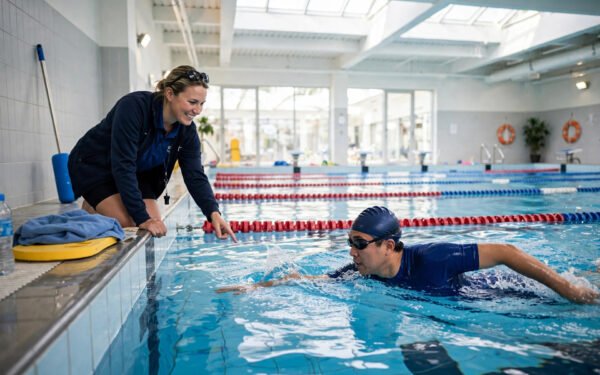
Complete rest is worse than gentle movement for DOMS. Light activity — a 20-minute walk, easy cycling, swimming — increases blood flow to damaged tissue without adding new damage, and consistently beats passive rest in soreness studies. The day after brutal legs, do 15–20 minutes of easy cardio plus gentle mobility: bodyweight squats to comfortable depth, leg swings, and couch stretches for hip flexors. You should finish feeling looser than you started; if not, you went too hard.
What Actually Works (and What’s Hype)
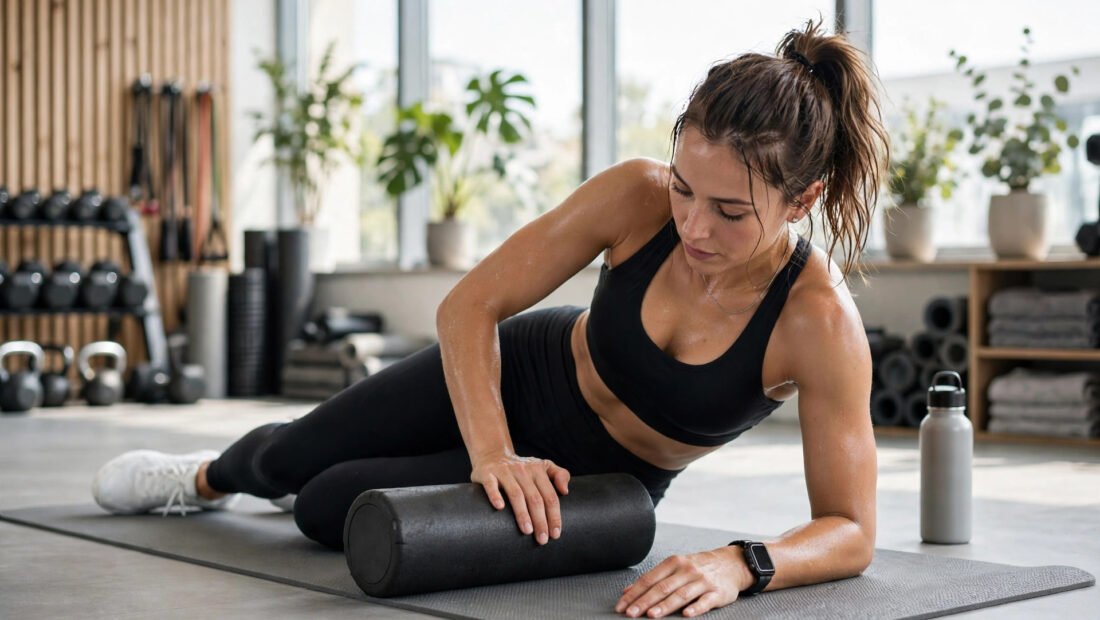
Foam rolling: Legit. Meta-analyses show foam rolling reduces DOMS and improves short-term flexibility. Spend 60–90 seconds per muscle group (quads, hamstrings, calves, glutes) the evening after leg day and the next morning. It will hurt; that is normal.
Compression garments: Modestly effective. Graduated compression tights worn for several hours post-workout show small but real reductions in soreness and swelling. Worth owning if you train legs hard weekly.
Cold-water immersion: Effective for short-term soreness reduction, but regular ice baths may blunt long-term muscle growth by suppressing the inflammatory signaling that drives adaptation. Use sparingly — during competition weeks, not every training week.
Massage: Genuinely helpful for perceived soreness and flexibility, though the mechanism is more neurological than “flushing toxins.” A 20-minute session 24–48 hours post-leg-day is well-timed.
Stretching: Static stretching after (not before) training helps maintain range of motion but does not meaningfully reduce DOMS. Do it for mobility, not soreness cure.
Supplements: Creatine monohydrate (3–5g daily) has solid evidence for reducing muscle damage markers. Tart cherry juice and omega-3s show modest anti-inflammatory effects. Most other “recovery” supplements are marketing. And do not underestimate gut health’s role in systemic inflammation — foods that improve gut health support the overall recovery environment.
Programming Smarter Leg Days
The fastest recovery hack is not needing as much recovery. If every leg day destroys you for four days, the programming is wrong, not your body. Increase volume gradually (no more than 10 percent weekly), keep 48–72 hours between hard leg sessions, and separate heavy leg days from hard cardio. Beginners should start with moderate volume and build — the “repeated bout effect” means the same workout causes dramatically less soreness the second and third time. Consistency, paradoxically, is the cure for soreness.
Texas-Specific Recovery Notes
Summer leg days in Texas demand extra attention: train early, hydrate with electrolytes (not just water), and consider that heat itself is a recovery stressor — your body is repairing muscle while also managing thermal load. Post-workout, a cool (not ice-cold) shower helps normalize core temperature. And if you train in a non-air-conditioned garage gym, shift heavy leg days to mornings; evening sessions in 95°F garages impair both performance and recovery.
Nutrition Timing: The Other Half of Recovery
Training provides the stimulus; nutrition provides the building materials — and timing influences how efficiently materials arrive. The post-workout meal matters most: aim for 0.7–1 gram of protein per pound of body weight daily (spread across 3–4 meals — your body uses protein better in pulses than in one giant dinner), with the post-leg-day meal emphasizing both protein and fast-digesting carbs to replenish glycogen. Creatine monohydrate (3–5g daily, anytime) remains the most evidence-backed recovery supplement in sports nutrition — cheap, safe for healthy adults, and shown to reduce markers of muscle damage. Do not overlook pre-sleep protein: 30–40g of slow-digesting protein (casein, Greek yogurt, cottage cheese) before bed measurably improves overnight muscle protein synthesis — your legs literally rebuild while you sleep. And the unglamorous truth: total daily calories must support recovery. Training legs hard in a steep calorie deficit is asking your body to build a house without lumber — it will prioritize survival over muscle repair every time. The Mayo Clinic’s sports-nutrition guidance and the NIH’s dietary-supplement fact sheets are excellent reality checks against supplement-industry hype.
Conclusion
Faster leg-day recovery is a system, not a single trick: protein and carbs within two hours, aggressive rehydration, 7–9 hours of sleep, gentle movement the next day, foam rolling, and smart programming that avoids the weekly destruction cycle. Implement the full stack and the difference is dramatic — from four days of stair-dread to 48 hours of productive stiffness. Your legs do the work; recovery is how you keep the gains.
Frequently Asked Questions
Should I work out again while still sore from leg day?
Light activity is fine and actually helps; another hard leg session is not. Wait until soreness drops below mild levels (usually 48–72 hours) before training legs intensely again. Upper-body training is unaffected.
Do ice baths help leg-day recovery?
They reduce soreness short-term but may blunt muscle growth if used regularly. Save them for competition weeks or when you need to perform again quickly, not as a weekly habit during muscle-building phases.
What should I eat after leg day for fastest recovery?
25–40g of protein plus a generous serving of carbs within two hours. Examples: chicken burrito bowl, salmon with rice, or Greek yogurt with granola and berries. Then eat normally — total daily protein (0.7–1g per pound of body weight) matters more than any single meal.
Why are my legs more sore 2 days later instead of the next day?
That is classic DOMS physiology — the inflammatory repair cascade peaks 24–72 hours after the damage occurs. Peak soreness on day two is normal and expected, not a sign something went wrong.