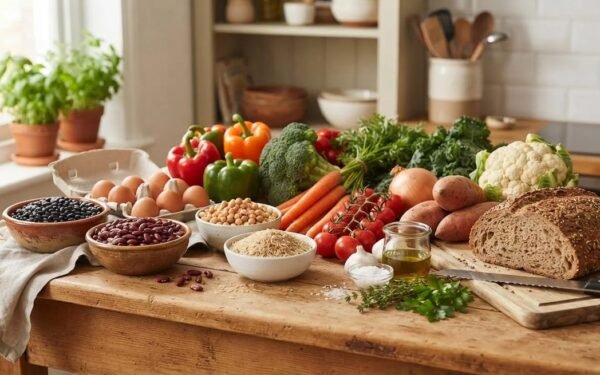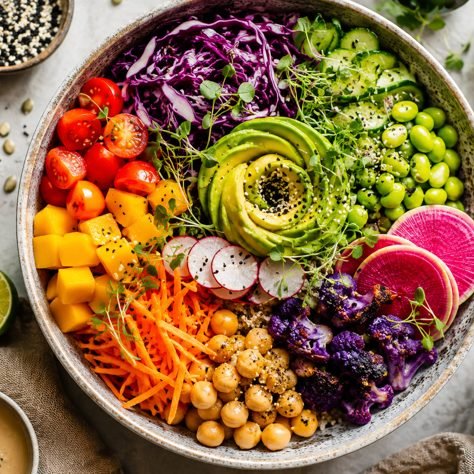
Here is the fact that reorganizes how you think about lunch: the bacteria in your gut eat what you cannot. The fibers, resistant starches, and plant compounds that sail through your own digestive enzymes untouched arrive in your large intestine as a delivery for trillions of microbes — and those microbes, fed well or fed badly, return the favor by producing compounds that calm inflammation, feed the gut lining itself, train the immune system, and even talk to the brain. Gut health is therefore not a product you buy. It is a catering decision you make three times a day. These are the foods that cater well, and the reasons each one earns its place.
First, how the ecosystem actually works
Your large intestine hosts the overwhelming majority of your gut microbiome. Its favorite fuel is fermentable fiber: when bacteria ferment it, they produce short-chain fatty acids — butyrate is the star — which is the preferred energy source of the cells lining your colon. A well-fed lining stays tight and selective; a starved one becomes leakier and more reactive, which is one mechanism linking low-fiber diets to inflammation far beyond the gut. Diversity is the other principle: different microbes eat different fibers, so a varied plant intake supports a varied microbial community, and varied communities are more resilient — better at crowding out troublemakers and recovering from disruptions like antibiotics or a stomach bug. Every recommendation below is just these two principles — feed them fiber, feed them variety — wearing different clothes. The NIDDK’s digestive disease resources describe the system and its disorders in clinical detail for readers who want the deep background.
Fiber: the main course (aim higher than you think)
Most adults get around half the fiber they should. Working targets are roughly 25 grams a day for women and 38 for men — or about 14 grams per 1,000 calories — and the gap explains more everyday digestive misery than any exotic sensitivity. The heavy lifters: beans and lentils (the single richest common source), oats, barley, whole grains, berries, pears and apples with skin, nuts, seeds, and vegetables across the board. Two handling rules matter. Increase fiber gradually over two to three weeks — a sudden jump produces gas and bloating that convince people fiber “doesn’t agree with them,” when really the dose did. And drink water alongside it, because fiber’s benefits run on hydration; dry fiber in a dry system is a traffic jam.
Fermented foods: the live deliveries
Fermented foods contribute something fiber cannot: living microbes themselves. Yogurt and kefir with live cultures, kimchi, sauerkraut (the refrigerated, unpasteurized kind), miso, tempeh, and kombucha all carry bacterial strains that pass through the gut, and diets rich in fermented foods have been linked in feeding trials with increased microbiome diversity and calmer inflammatory markers. Practical notes: heat kills the cultures, so sauerkraut melted onto a hot dog has become a condiment, not a delivery — eat ferments cool or warm at most. A small daily portion beats a heroic weekly one; your gut tenants prefer rent paid steadily. And if fermented foods are new to you, start small — a few forkfuls — because a sudden microbial house party can be gassy for the first days.
Prebiotic foods: fertilizer for the residents
Between plain fiber and live ferments sits the prebiotic category — specific fibers that preferentially feed beneficial resident bacteria like bifidobacteria. The everyday champions are unglamorous: garlic, onions, leeks, asparagus, slightly under-ripe bananas, oats, barley, beans, and chicory root (which is where much commercial “prebiotic fiber” in bars and powders actually comes from). You do not need the powder version of a thing your grocery store sells whole. A diet that regularly includes the onion-garlic family, legumes, and oats is running a prebiotic program whether it calls itself one or not.
The supporting cast
A few more foods earn regular rotation on evidence and tradition combined. Ginger genuinely speeds stomach emptying and settles nausea for many people — useful less as a microbiome play than as comfort for the upper gut. Fatty fish brings omega-3 fats that counterbalance inflammatory patterns elsewhere in the diet. Bone broth is soothing and hydrating and makes a fine base for the vegetables and legumes that do the heavy lifting — enjoy it, just do not ask it to do fiber’s job. Extra-virgin olive oil and a wide rotation of herbs and spices add plant compounds that gut microbes also metabolize; variety in seasonings is still variety.
What reliably harms the system
The gut notices subtraction as much as addition. Diets dominated by ultra-processed foods — low fiber, high in emulsifiers and sweeteners — consistently associate with less diverse, less stable gut communities. Excess alcohol irritates the lining and disrupts the microbial balance directly. Unnecessary antibiotics are the elephant: sometimes essential, always indiscriminate, and worth following with a deliberate rebuilding period of fiber and ferments. Artificial sweeteners are the honest uncertainty on the list — evidence of microbiome effects is suggestive but unsettled, which argues for moderation rather than panic. Chronic short sleep and chronic stress round out the harm list through the gut-brain axis; the gut keeps your calendar whether you consult it or not. If the symptom that brought you here is the daily bloat itself, our companion guide on why you always feel bloated after eating traces the usual causes meal by meal.
The cook-and-cool trick: resistant starch
One kitchen technique deserves its own paragraph because it turns staple foods into better gut food. When rice, potatoes, pasta, or oats are cooked and then cooled in the refrigerator, some of their starch reorganizes into a form — resistant starch — that your enzymes cannot digest but your gut bacteria ferment beautifully. Potato salad and sushi rice have been quietly doing this forever. Reheating gently keeps much of the benefit. The practical version: cook a batch of rice or potatoes, cool it overnight, and use it across the next days’ meals. It is a rare case of leftovers being an upgrade, and it stacks with everything above — the legumes, the ferments, the variety — without buying anything new.
A sample day on the plate
Assembled, an ordinary day that feeds the system well looks unspectacular. Breakfast: oatmeal with berries and a spoonful of yogurt — fiber, ferment, and fruit in one bowl. Lunch: a lentil or bean soup, or a grain bowl built on yesterday’s cooled rice with roasted vegetables, chickpeas, and an olive-oil-and-lemon dressing. A snack of an apple and a handful of nuts, or kefir if the afternoon runs long. Dinner: salmon or tempeh, a pile of greens wilted with garlic, onions in everything, and a few forkfuls of kimchi or sauerkraut on the side. Count it up and the day has delivered a genuinely diverse plant roster, fiber in the target range, a live ferment, prebiotic alliums twice, and resistant starch — without a single product labeled “gut health” entering the house. That is the point worth keeping: this is not a protocol. It is dinner, chosen with the tenants in mind.
The timeline to expect
Set expectations the way the system actually changes. Many people notice less bloating and more regularity within one to two weeks of raising fiber gradually and adding a daily ferment. Deeper shifts — the kind measured in stool analyses — build over four to eight weeks of consistency. Probiotic supplements, in this frame, are a targeted tool for specific situations (after antibiotics, for certain diagnosed conditions) rather than a daily necessity for healthy people eating this way; food delivers the microbes with their dinner included. A word about testing, since it is the question of the moment: consumer microbiome tests that promise a personalized report from a stool sample are interesting snapshots and poor instruction manuals. There is no agreed definition of one ideal microbiome — healthy guts vary enormously between people and across a single person’s seasons — so a report scoring yours against an average it invented should be read as entertainment with data flavoring, not as a diagnosis or a shopping list. If a test result sends you toward more plants, more fiber, and more variety, it has accidentally given the same advice as this page, for considerably more money. Save the fee; spend it on groceries.
The entire program, notice, is just a shopping list wearing a lab coat: beans, oats, vegetables, fruit, yogurt, something fermented, olive oil, water. Your gut bacteria are not asking for a supplement regimen. They are asking for lunch — the kind with plants in it, varied, and often. Start where the gap is largest for most people: one legume-based meal a day and one fermented food a day covers the two biggest upgrades for the price of groceries you were buying anyway. Give it a month of unglamorous consistency before you judge it — the ecosystem you are feeding has been built by years of habit, and it remodels at the speed of habit too, which is to say steadily, and then all at once in how you feel.