The Nintendo Switch launched in 2017 — ancient history in console years — and yet walk into any Target in Texas in 2026 and you’ll still find Switches on the shelf, still selling. With Nintendo’s next-generation hardware now on the market, the obvious question is whether buying the old console still makes sense. The surprising answer: for a lot of people, the Switch in 2026 is one of the best value buys in gaming — heavily discounted, with a library of thousands of games, and a use case its successor doesn’t fully replace. But it’s not right for everyone. Here’s how to decide.
The Case For Buying a Switch in 2026
The price is finally right
This is the big one. With successor hardware available, original Switch models — especially the standard and Lite versions — have seen permanent price cuts and aggressive retailer discounts. A Switch Lite now routinely sells for well under $200, and standard models with game bundles appear during every major sale. At those prices, you’re paying less than a mid-range graphics card for a complete gaming system. For kids, casual players, and second-console buyers, the math is compelling.
The library is enormous and cheap
Nine years of releases means thousands of games, and the back catalog is heavily discounted. Nintendo first-party titles (Mario, Zelda, Pokémon) hold value stubbornly, but the eShop runs constant sales, and the used physical market is flooded — GameStops and Facebook Marketplace across Texas are full of $15–$25 Switch games. Our roundup of the best new video games for casual players includes plenty of Switch-friendly picks, and the console remains the king of family-friendly video games for kids — no other platform matches its couch-co-op and all-ages catalog.
It still does things nothing else does
The hybrid handheld-docked concept remains unique at this price. No phone offers the same controls and game library — check our look at the best free mobile games with no ads if you’re weighing phone gaming, but touchscreens can’t replicate real buttons for platformers and action games. For travel, kids’ road trips across Texas, and households where the TV is contested territory, the Switch’s portability is a genuine superpower its successor charges a premium for.
The Case Against
Honesty requires the other side. The Switch’s 2017-era hardware shows its age: newer third-party games either skip it entirely or arrive as compromised “cloud versions.” If you mainly play graphically demanding multiplatform titles (think the latest AAA releases), the Switch will disappoint — that’s what a PS5, Xbox, or PC is for. Battery life on aging used units can be degraded, so buy new or verify battery health on used consoles. And if you’re buying primarily for future releases, the successor console is where Nintendo’s development focus now lives; the original Switch’s new-release pipeline is winding down to remasters and indie titles.
The Starter Library: 10 Games Worth Owning First
If you’re buying a Switch in 2026, these are the no-regret first purchases, all frequently discounted: The Legend of Zelda: Breath of the Wild / Tears of the Kingdom — two of the best-reviewed games ever made, either justifies the console alone. Super Mario Odyssey — pure joy, perfect for all ages. Mario Kart 8 Deluxe — the definitive party game; every household needs it. Animal Crossing: New Horizons — cozy, endless, beloved by non-gamers. Hades — the indie masterpiece that plays perfectly handheld. Stardew Valley — $15, hundreds of hours. Super Smash Bros. Ultimate — for the competitive household. Metroid Dread — tight, thrilling action. Celeste — a precision platformer about perseverance that’s secretly profound. Pokémon Scarlet/Violet — flawed but beloved, and kids adore them. Buy the Nintendo-published titles used (they rarely drop in price new) and grab indies during eShop sales.
Which Model Should You Get?
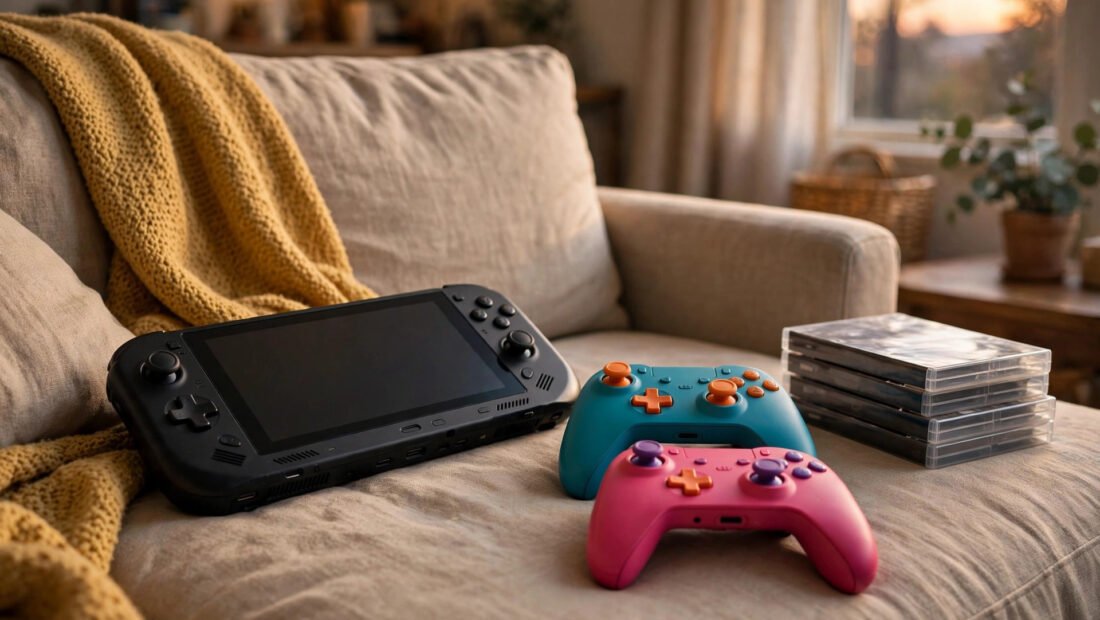
Switch Lite ($150–$200): Handheld-only, no TV docking, no detachable Joy-Cons. Perfect as a kid’s first console or a personal handheld — and the best value in the lineup. Standard Switch ($250–$300 on sale): The hybrid original; the right pick if you’ll ever dock to a TV. Switch OLED ($300–$350 on sale): Gorgeous screen, better kickstand, more storage — worth it if you’ll play handheld 80%+ of the time. Skip the OLED if you mostly dock; on a TV, all models look identical.
Buy new when possible: Nintendo’s warranty and fresh battery are worth the premium over used at these prices. If buying used, test the Joy-Cons for drift (the infamous stick-drift issue), check the battery, and confirm no account bans.
What About the Successor Console?
Nintendo’s newer hardware plays the same ecosystem forward — and it’s the better buy if your budget stretches to it and you want the latest releases for years to come. Think of it this way: the successor is the investment purchase; the original Switch is the value purchase. A family buying a first console for an 8-year-old should pocket the savings with a Switch Lite. A 25-year-old wanting Nintendo’s next decade of Zelda games should save for the new hardware. Check Nintendo’s official hardware pages to compare current lineups, and the ESRB’s game ratings when choosing titles for kids.
Essential Accessories (Budget Accordingly)
Budget $50–$100 beyond the console: a microSD card (128GB minimum — digital games eat storage fast), a screen protector for handheld models, and a carrying case if it will travel. A second pair of Joy-Cons ($70–$80) is worth it the moment you want local multiplayer — Mario Kart with one controller each is the Switch experience at its best. Skip the official dock extras and overpriced branded gear; third-party grips and stands work fine.
Conclusion
The Nintendo Switch is still worth buying in 2026 for the right buyer: kids, casual and family gamers, travelers, and anyone who wants maximum game library per dollar. At sub-$200 for a Lite, it’s an impulse-priced ticket to thousands of games — a value proposition no other console touches. It’s not the pick for graphics-focused players or those chasing the newest releases, who should look at the successor hardware instead. Know which buyer you are, buy the model that matches, and you’ll wonder why you waited.
Frequently Asked Questions
Is the Nintendo Switch discontinued in 2026?
Nintendo has shifted focus to its successor hardware, but the original Switch remains widely available new at retail with ongoing eShop support. Expect new first-party releases to taper off while indie and catalog titles continue.
Switch Lite vs regular Switch — which is better?
The Lite is cheaper and more portable but handheld-only. The regular Switch docks to a TV and has detachable controllers for multiplayer. Choose based on whether you’ll ever play on a television.
Can adults enjoy the Nintendo Switch?
Absolutely — games like Breath of the Wild, Metroid Dread, Hades, and countless acclaimed indies are adult favorites. The “kids’ console” reputation ignores one of gaming’s strongest all-ages libraries.
How much do Switch games cost in 2026?
New first-party titles remain $60–$70, but the used and sale market is rich: $15–$30 for excellent catalog titles is common, and eShop sales discount indies heavily.
Does the Switch need Nintendo Switch Online?
Only for online multiplayer and cloud saves ($20/year for individuals). Single-player and local multiplayer work fine without it, making the Switch unusually friendly to subscription-free gaming.