Put two vet bills side by side and the case for regular checkups makes itself. One is about $350 for a full annual visit that finds early kidney disease while a change of diet can still manage it for years. The other is about $3,000 for an emergency hospital stay after that same disease reaches a crisis. The dog looked fine in both stories right up until he did not. Checkups are how you stay on the cheap side of that gap.
Here is the checklist version first, then the detail behind each item.
The Schedule Checklist
- Puppies under one year: visits every 3 to 4 weeks until about 16 weeks, to complete the vaccine series, then a booster visit at one year.
- Healthy adults, ages 1 to 7: one full checkup every year, as a minimum.
- Seniors, 7 to 8 years and up: a checkup every 6 months. Large and giant breeds count as seniors by about age 6; small breeds often not until 9 or 10.
- Dogs with chronic conditions: whatever schedule the vet sets, which can mean every 4 to 8 weeks while a new condition or medicine is being settled.
- Every visit, every age: full physical exam, needed vaccines, parasite screening, dental check, and weight and diet review.
- Bloodwork: once a year for adults, twice a year for seniors.
- Texas non-negotiables: annual heartworm test, year-round heartworm prevention, and tick disease screening.
That schedule follows the American Veterinary Medical Association’s preventive care guidance and the AAHA preventive-care guidelines. The sections below explain why each line is on the list, what it costs in Texas, and which warning signs should move a visit up from the calendar to this week.
Why Puppies Go So Often
Puppyhood is front-loaded with vet care, and it helps to budget for that before bringing a puppy home. Young puppies lose the protection passed from their mother over their first weeks, and the vaccine series, given every 3 to 4 weeks until about 16 weeks, rebuilds that protection in stages. One visit cannot do the whole job. These visits also let the vet track growth, check for parasites that are common in puppies, and catch early problems with teeth, joints, and development while they are easiest to correct. After the series, the one-year booster visit closes out the first year and sets the adult schedule.
Why Adults Need a Visit Every Year
A healthy adult dog can look unchanged for years while slow problems build out of sight. That is the whole reason for the annual visit. Kidney disease, liver problems, diabetes, thyroid trouble, and anemia can all show up in bloodwork long before a dog acts sick. A chemistry panel and a complete blood count once a year give the vet a baseline for your dog, so a small shift at age four means something when it is compared with the results from age three.
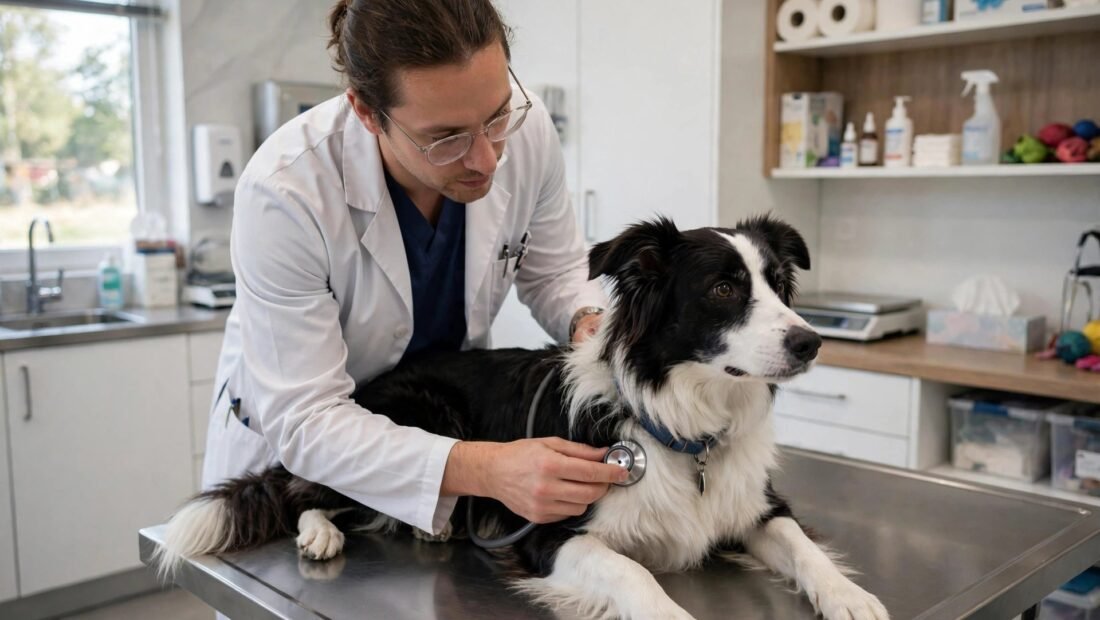
The hands-on exam does work blood tests cannot. The vet checks weight and body condition, eyes, ears, teeth and gums, heart and lungs, lymph nodes, skin and coat, the abdomen by feel, joint movement, and basic nerve responses. That exam finds lumps, heart murmurs, early arthritis, and dental disease that owners walk past every day. On dental health alone, 80 percent of dogs show dental disease by age three, so the mouth check at each visit is not a formality. Cleanings under anesthesia, when the vet says they are needed, add $500 to $1,200, which is worth planning for rather than meeting as a surprise.
Why Seniors Go Twice a Year
In the senior phase, dogs age roughly five to seven years for each calendar year. Six months is a long stretch of medical time at that pace. A kidney value that was borderline in spring can be a real problem by fall, and diet and medicine work far better when the change is caught at the borderline stage. Twice-yearly visits with full bloodwork are how those changes get caught.
Senior visits also carry a Texas-specific item: heart assessment before the heat. Heat stress hits dogs with undiagnosed heart conditions hardest, and Texas gives those dogs months of dangerous weather each year. A spring senior checkup that listens carefully to the heart is a safety check for the whole summer. If an older dog starts drinking far more water than usual between visits, do not wait for the calendar; that change is one of the classic early signs of kidney and metabolic trouble, and why your older dog is drinking so much water explains what vets look for first.
Vaccines, Parasites, and the Texas Checklist
Core vaccines include rabies, which Texas law requires, and the distemper and parvo combination. Depending on the product and local rules, these run on one- or three-year schedules. Non-core vaccines are chosen by risk: bordetella for dogs that board or visit dog parks, leptospirosis for dogs exposed to standing water and wildlife, canine flu where it circulates, and the rattlesnake vaccine for dogs that hike or live near brush country, discussed with the vet in spring.
Parasite control is where Texas allows no shortcuts. Heartworm disease is common across the state, and mosquitoes can transmit it in any month of the year. The standard is an annual heartworm test, which clinics require before renewing prevention, plus prevention given all year without gaps. Skipping either one gambles against a treatment that costs $1,000 to $1,800 and is hard on the dog. Tick diseases are a Texas reality too: ehrlichiosis, anaplasmosis, and Rocky Mountain spotted fever all occur here, and annual screening, often bundled with the heartworm test, catches them early when treatment is simple. A fecal test rounds out the screening by checking for intestinal parasites.
One more Texas item belongs on the annual list: records. Use the visit to confirm vaccinations are current and get copies of the paperwork. Boarding facilities and shelters require proof, and hurricane season is the wrong time to learn that a rabies certificate has lapsed.
What It Costs in Texas, and How to Budget It
In 2026 Texas pricing, a basic annual exam runs $60 to $100 on its own. A full annual visit with vaccines, heartworm and fecal testing, and bloodwork usually totals $250 to $450. Senior visits with full bloodwork run $300 to $500 each, twice a year. Those numbers are real money, and the honest way to handle them is to treat the checkup as a fixed yearly cost, like insurance or registration, rather than an optional extra in a good month.
Multi-dog households should ask about wellness plans. Many Texas practices sell bundled packages covering the exam, vaccines, testing, and bloodwork at 15 to 25 percent below the cost of buying each item on its own. Owners who skip checkups to save $300 are not really saving. They are carrying the full risk of a $3,000 emergency themselves, with no reserve set aside for it.
Signs That Override the Schedule
The calendar covers prevention. The following signs mean book now, not at the next planned visit: appetite changes lasting more than 48 hours, especially a refusal to eat; vomiting or diarrhea lasting beyond 24 hours, or any blood; sudden tiredness, weakness, or collapse; trouble breathing, constant coughing, or pale or blue gums; sudden weight loss, heavy thirst, or much more urination than usual; limping that lasts more than a day, or a leg the dog will not put weight on; red, squinting, or discharging eyes; head tilting or balance problems; and lumps that appear, grow, or change. When you are unsure, call the clinic. Vets triage by phone at no charge, and the judgment about whether a dog should be seen today or watched over the weekend is one worth leaving to them.
Dogs Whose Schedule Is Tighter Than the Standard
The checklist at the top is for healthy dogs. Several common situations tighten it. Dogs with diabetes, kidney disease, allergies, or epilepsy need monitoring on the vet’s own timetable, and a new medicine often means a recheck in a few weeks to confirm the dose is right. Dogs recovering from surgery or a serious illness follow a discharge schedule instead of the yearly one. Breeding dogs and dogs in hard working roles, such as ranch and hunting dogs in Texas, also face risks and wear that justify closer watching.
Weight deserves a special mention here. The annual nutrition and weight review is the course correction that stops a slow creep into obesity, a few ounces at a time, before it becomes joint strain and metabolic trouble. If the vet flags weight at a visit, ask for a target weight and a specific daily calorie number rather than a vague instruction to feed less. A follow-up weigh-in a few months later, which many clinics will do quickly and cheaply, tells you whether the new portions are working while there is still time to adjust them.
Making the Visit Itself Easier
A panicked dog gets a worse exam. Stress makes dogs harder to check, and fear can hide symptoms or imitate them. Simple steps help: drop in for happy visits where the dog is weighed, given treats, and taken home; bring high-value treats to the real visit; and walk or play with the dog beforehand to burn off nervous energy. For dogs that are truly fearful, ask the vet about anti-anxiety options used before visits. Fear Free certified practices, which are growing more common in Texas metros, are built around lowering patient stress. A calm dog lets the vet hear the heart, feel the abdomen, and check the teeth properly, and that better exam is the entire point of going.