What does low-maintenance actually mean at 7 p.m. after a ten-hour day? Does it mean ten minutes of care and then a quiet evening, or does it mean an animal that needed you at noon and waited all day in discomfort? That question matters more than any list of cute animals. A pet that fits a busy life is not one that needs nothing. It is one whose needs line up with the hours you really have.
Use this checklist first. A pet counts as low-maintenance for a busy adult only if it passes all four tests below. If it fails one, it may still be a good pet, but it will not feel easy on a full work schedule.
The Four-Part Checklist to Run Before You Choose
- Alone time: Can the animal stay alone for 8 to 10 hours without distress, panic, or damage?
- Daily time: Does active care stay under 30 minutes a day on a normal day?
- Setup: Does it live well without special climate control or a complex habitat you have to rebuild and monitor?
- Flexibility: If you come home an hour late or your schedule shifts, does the animal cope without harm?
Every animal here still needs vet care, so low daily work does not mean low responsibility. If you work 12-hour days, travel often, and have no backup person, the honest answer may be to wait. Before you decide, read species care basics in the ASPCA’s pet care guidance, which covers lifespan, housing, and daily needs in plain terms.
Cats: The One Mammal That Truly Fits a Full Workday
Cats pass all four tests, which is why they sit at the top of almost every honest ranking. They use a litter box by instinct with very little training. They do not need walks. They sleep for long stretches during the day and are content to watch a window, bat at a toy, and nap while you are gone.
On a normal day, care takes about 10 to 15 minutes: scoop the litter box, check food and water, and rinse the bowl. Play is welcome and good for them, but it can happen on your schedule in the evening.
Two cats are often easier than one. A bonded pair keeps each other company during work hours. The extra cost is modest because they share supplies, though each cat still needs its own food portion and vet visits.
In Texas, keep cats indoors. Heat, busy roads, coyotes on the edge of many suburbs, and mosquitoes that carry heartworm make outdoor life risky. A screened porch, a small catio, or a tall perch by a window gives an indoor cat plenty to watch without those risks. An adult rescue cat, age five or older, is often the calmest fit of all: past the kitten chaos, already litter-trained, and happy with a steady routine.
One warning sign to learn early is coat change. Shedding is normal, but bald spots are not. If you ever notice why your cat is losing belly hair in patches, that is worth a vet call rather than waiting, since grooming changes can point to stress, allergies, or pain.
Betta Fish: Thirty Seconds a Day, If the Tank Is Right
A single betta fish can be the lowest daily workload on this list, but only in a proper tank. The small vase or bowl sold as an easy starter is not proper. A betta needs a heated, filtered tank of about 5 gallons, with space to swim and a lid, since bettas can jump.
Set up that way, the routine is simple. Feed once a day, which takes about 30 seconds. Once a week, replace part of the water and rinse the filter material as directed, which takes about 15 minutes. The fish is alert, follows movement, and learns feeding time, so it feels more interactive than most people expect.
Texas helps here. Bettas do well in water around 78 to 80 degrees Fahrenheit, close to room temperature in many Texas homes for much of the year. You still need a heater to hold the temperature steady, and you still need to test the water, especially in the first weeks. Skipping water care is how a hardy fish gets sick.
Leopard Geckos: The Calm Reptile Option
For people who want a reptile, the leopard gecko is the clearest fit for a busy schedule. It does not need UVB lighting. It eats two to three times a week rather than every day. It tolerates gentle handling once it knows you, and it can live 15 to 20 years, so this is a long commitment, not a short trial.
The home is a roughly 20-gallon tank with a heat mat, warm and cool hides, and a shallow water dish. Daily care is mostly a quick check: water fresh, temperatures steady, no uneaten insects left loose. The weekly total is often under an hour.
The one deal-breaker for some adults is food. Leopard geckos eat live insects such as mealworms or dubia roaches. If keeping live feeders at home is a hard no, choose a different pet now. Buy from a reputable reptile breeder when you can, since a healthy animal with a known history is far easier to keep well.
Options That Work Only With Help or Extra Effort
Small dogs, with paid support
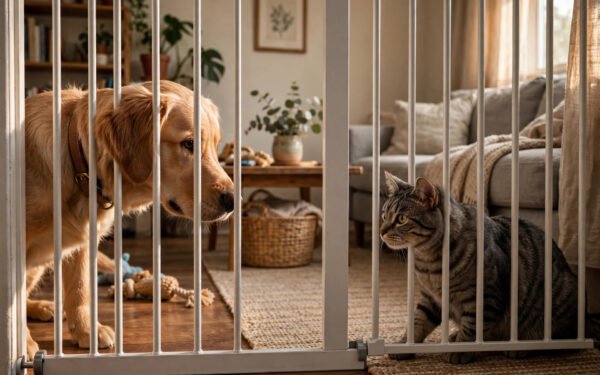
No dog passes the alone-time test on a ten-hour schedule without help. Dogs need toilet breaks, walks, training, and company. A calm adult small breed, such as a Cavalier or a shih tzu, or a settled adult rescue, can work for a busy owner if you pay for a midday walker or daycare. Budget honestly for that support. In the original cost picture for this guide, walking and daycare support ran to $300 or more a month. Without that midday break, a dog and a long workday are a poor match, no matter how sweet the breed sounds.
Rabbits
Rabbits are quiet, use a litter box with training, and need no walks. That sounds ideal until you add the daily work: fresh greens every day, hay always available, and several hours of supervised time out of the pen to move and explore. They also need a vet who knows rabbits well, which can be harder to find in Texas and can cost more. A rabbit is lower work than a dog, but higher work than a cat.
Guinea pigs, in pairs
Guinea pigs are gentle and vocal, and they must live in pairs because they are social animals. The hidden cost is daily fresh vegetables, plus frequent cage cleaning because they are messy. The chopping and cleaning add up across a busy week. They are charming pets for someone who enjoys that routine, and a poor fit for someone who wants to skip it.
The Pets Sold as Easy That Rarely Are
Some animals carry an easy label that does not survive real life. Hamsters sleep during the day and run and chew at night, so the animal is busiest when you are trying to sleep. They are fragile, easy to startle, and short-lived at about two to three years.
Any animal sold as teacup-sized is another warning. Breeding for extreme small size often brings fragile bones, dental problems, and low blood sugar risks. Vet bills replace the time you thought you saved.
Parrots need the most caution. They are smart, social, and loud, and many live 40 years or more. A bored parrot can scream and pluck its own feathers. That is a toddler-level commitment measured in decades.
Hermit crabs are also mis-sold. They need steady humidity and temperature, the right shells, and company of their own kind. Given poor shop advice, many die within a year.
The Texas Checks Most Lists Skip
Heat changes every decision in Texas. Any pet left at home in summer depends on your air conditioning. If the power goes out or the AC fails while you are at work, fish, reptiles, and small mammals are at risk first because their habitats heat fast and they cannot cool themselves well. A simple Wi-Fi temperature monitor that alerts your phone is cheap protection for any indoor setup.
Housing rules matter too. Many Texas apartments allow cats and small caged pets with little or no extra charge. Dogs often trigger a pet deposit of $300 to $500 plus monthly pet rent of $25 to $50. Add those numbers before you fall for a listing photo.
Travel is the third check. Busy adults travel for work and family. Cats can manage two to three days alone if you leave extra food, extra water, and a second litter box, though a check-in visit is still kinder. Almost every other pet here needs a sitter for any trip. Price that sitter before you adopt, not after you book a flight.
Last, name your backup person. One reliable neighbor, friend, or sitter who can step in during an emergency is what makes a busy schedule workable. The species helps, but the backup human is the real safety net.
Time Saved Usually Costs Money Somewhere
Low time and low cost are not the same thing. You can buy back time with an automatic feeder, a walker, or a sitter, and you can spend money up front on a proper habitat that then runs smoothly for years. Run both numbers: the daily minutes and the monthly dollars.
For most busy Texas adults, the clear answer is a cat, and best of all an adult rescue, ideally a pair. For non-mammal homes, a betta in a proper tank or a leopard gecko gives real companionship on a small daily routine. Dogs belong on the list only when the paid midday support is in the budget. Pick for the life you have on a tired Tuesday, not the life you wish you had, and low-maintenance will mean what it should: needs you can meet fully, every day, without strain on either side.