
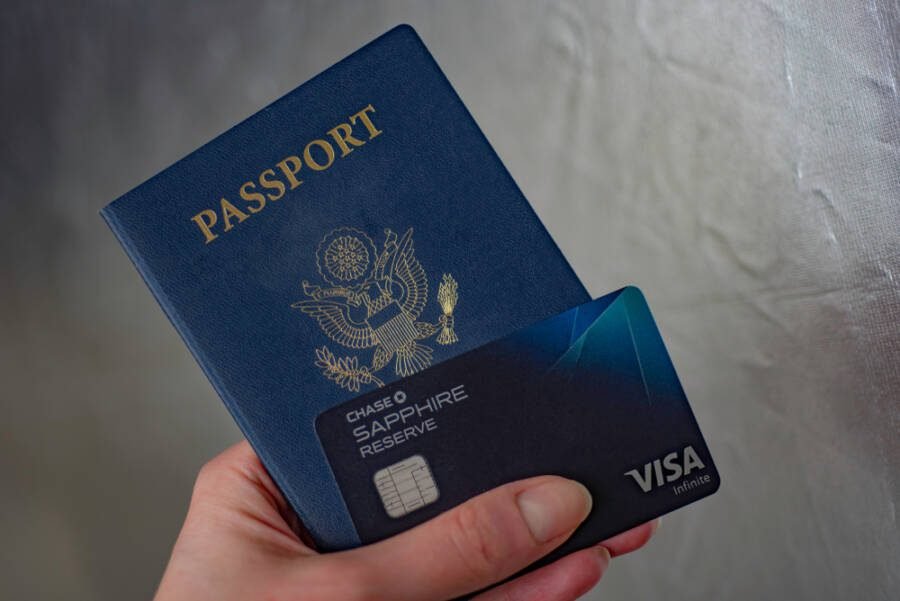
When my sister asked me what the best travel credit card for beginners was, she had never paid an annual fee in her life and thought points were a scam. Eighteen months later she flew to Denver nearly free on a signup bonus. The learning curve is real, but it is shorter than people think.
The honest answer is that there is no single best card, but there is a clear best type of card for beginners: a simple card with a big signup bonus, no foreign transaction fees, and either no annual fee or a modest one under $100.
What Is the Best Travel Credit Card for Beginners?
Here is how I would choose if I were starting today. First, ignore the ultra-premium $500+ cards. Their perks are great for frequent flyers, but beginners rarely use enough of them to justify the fee. Start where the math is obviously in your favor.
- Chase Sapphire Preferred. The classic beginner pick for a reason. A large signup bonus, 2x on travel and dining, points that transfer to airline and hotel partners, and a $95 annual fee. The transfer partners are the real prize: they are how a $95 card produces $750+ in travel.
- Capital One Venture. Simpler than Chase: 2x miles on everything, dead-easy redemption against travel purchases. Great if you do not want to learn transfer partners yet. The annual fee is $95.
- Chase Freedom Unlimited or Flex (no annual fee). If any annual fee feels wrong, start here. You earn cash back now, and the points can convert to full travel value later if you add a Sapphire. This is the training-wheels option that still grows with you.
- A good airline card, only if you are loyal. If you fly one airline 90% of the time, that airline’s card with a free checked bag can beat a general travel card. Do the math on bag fees alone.
The signup bonus is where beginners win or lose. A typical good offer is 60,000 to 75,000 points after spending $4,000 in three months. That is worth $600 to $900 in travel. But, and this is important, only chase a bonus you can hit with normal spending. Stretching your budget to hit a bonus is how beginners get into debt.
Beginner Mistakes That Wipe Out the Rewards
- Carrying a balance. Paying 25% interest for a month wipes out a year of 2% rewards. If you cannot pay in full every month, skip travel cards entirely and use debit.
- Ignoring the annual fee renewal. Set a calendar reminder for month eleven. If the card did not earn its fee, downgrade to a no-fee version instead of canceling; that protects your credit history.
- Letting points sit until they devalue. Points are not savings accounts; they lose value over time. Earn with a trip in mind and redeem within a year or two.
- Applying for five cards at once. Each application is a hard inquiry. Beginners should get one card, learn it for six to twelve months, then consider a second.
- Paying foreign transaction fees. If the card charges 3% abroad, it is not a travel card. This is non-negotiable.
Quick Answers to Common Questions
Will applying for a travel card hurt my credit score?
A single application causes a small, temporary dip from the hard inquiry, usually under 10 points, which recovers in a few months. What actually builds your score is on-time payments and low utilization afterward.
Can I get a travel card with no credit history?
It is tough. Most good travel cards want at least a year of history. Start with a student card or secured card, build six to twelve months of on-time payments, then apply for a beginner travel card.
Are points or cash back better for beginners?
Cash back is simpler and never a bad choice. Points win on value when transferred to airline or hotel partners, but only if you will actually learn the transfer system. Be honest about which type you are.
What credit score do I need?
Most beginner-friendly travel cards approve in the good range, roughly 670 and up. The premium cards generally want 720+. Check your score free before applying so you are not guessing.
My Pre-Trip Checklist
- Check your credit score first. Know where you stand before any application. Free checks do not hurt your score.
- Pick ONE card to start. Learn it deeply for a year before adding a second. Depth beats breadth for beginners.
- Set up autopay for the full balance. This single habit is the difference between free travel and expensive debt.
- Put a month-eleven reminder on your calendar. Reassess the annual fee before it renews. Downgrade rather than cancel.
- Have a trip in mind before you earn. Points earned toward a real goal get redeemed. Points earned vaguely get devalued.
What I Would Do Next
If you take one action from this, make it the month-eleven calendar reminder and the pay-in-full rule. Those two habits are the entire difference between people who travel nearly free and people who fund the banks’ profits.
Start simple, learn one card deeply, and let the signup bonus fund a trip you actually want. That first nearly-free flight is what turns skeptics into believers.
The points world loves to make this sound complicated because complexity sells courses and consultations. It is not complicated: one good card, paid in full monthly, points redeemed for a trip you actually want. Everything beyond that is optimization, and optimization can wait until year two.
Related reading: What Is the Best Way to Store Fresh Herbs Longer.
The points world loves to make this sound complicated because complexity sells courses and consultations. It is not complicated: one good card, paid in full monthly, points redeemed for a trip you actually want. Everything beyond that is optimization, and optimization can wait until year two.
Related reading: How Do I Unclog a Drain without Harsh Chemicals.
The points world loves to make this sound complicated because complexity sells courses and consultations. It is not complicated: one good card, paid in full monthly, points redeemed for a trip you actually want. Everything beyond that is optimization, and optimization can wait until year two.
Related reading: How Can I Prevent Ice Dams on My Roof in Winter.
For official guidance, check out Amtrak route guides and TSA screening guidelines.




1 Comment