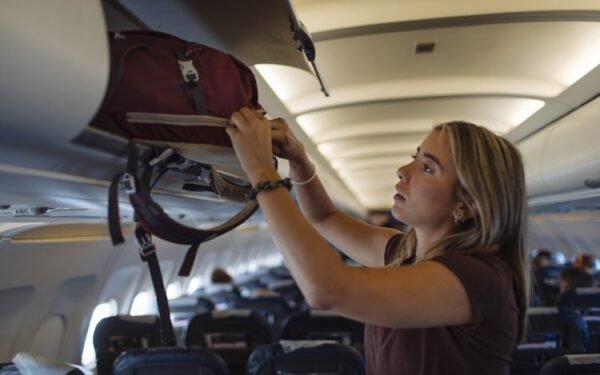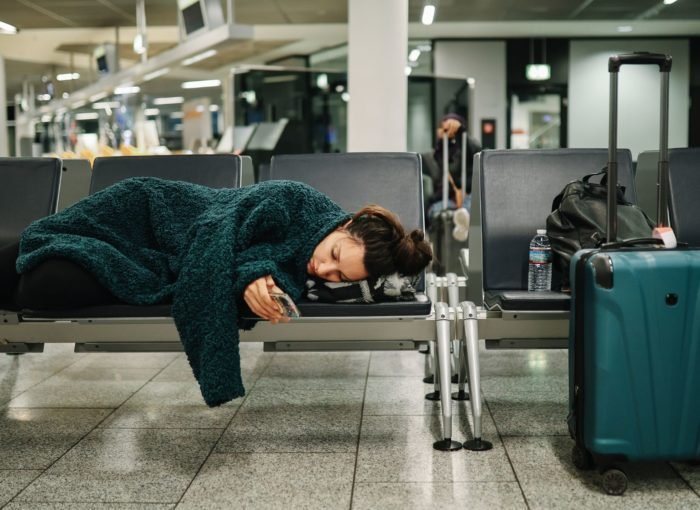
Seven hours inside an airport is either the worst part of the trip or a secret half-day of rest, and the difference is not the airport — it is whether you arrive at the layover with a plan calibrated to its length. A layover is a small city stay with unusual rules: you are ticketed, screened, and captive, but the terminal around you contains showers, spas, gardens, museums, chapels, sleeping pods, and at least one decent meal, plus the constant option of escaping into the actual city if the hours allow. This deep dive goes option by option — what exists, what it costs, and the layover lengths at which each is worth it — so the next long connection reads less like a delay and more like an intermission you chose.
The lounge: the math of the day pass
The airline lounge is the layover’s default upgrade, and its value is arithmetic. A day pass typically runs $50–$75 where passes are sold — expensive until you price the alternative honestly: two coffees, a meal, drinks, Wi-Fi, and a chair you can bear for five hours, bought at terminal prices, already approach the pass cost before comfort enters the ledger. Inside, the pass buys the whole bundle plus the things terminals otherwise ration: quiet, power at every seat, showers in many lounges, and staff whose job includes rebooking you when the connection goes sideways — a service worth the pass alone on a bad-weather day. The math works at layovers of five hours or more; below that, the lounge is a luxury rather than a bargain. Access routes matter more than the pass price: a credit card with lounge access (or a Priority Pass-style membership) converts every future layover at once, frequent-flyer status does the same within its alliance, and some lounges sell entry at the door that no website advertises. Ask at the desk; the worst answer is a polite no.
Sleep: pods, hotels, and the honest chair
Sleep is the layover’s second currency, and it comes in grades. At the top sit in-terminal transit hotels (in the great hub airports — Singapore, Doha, Istanbul, Munich, and a growing list) selling rooms by the hour or night without leaving security: the gold standard for overnight connections, worth booking the moment the itinerary is confirmed. Below them, sleep pods and capsule cabins rent by the hour in many terminals — a door, a bed, darkness — ideal for the four-to-six-hour gap that is too long for a chair and too short for a hotel. Below those, the free options require local knowledge: many airports have designated rest zones with reclined seating, and the veteran’s resource for finding them, terminal by terminal, is Sleeping in Airports’ airport guides, which catalogues the quiet corners, the 24-hour terminals, and the airports where landside sleeping is tolerated or hopeless. Whatever grade you choose, set two alarms and keep documents and valuables on your body or in the pod’s locker — sleep deeply only where the security is structural, not hoped for.
Charge everything: the power problem nobody plans for
A modern layover runs on batteries, and terminals are a quiet war for outlets. The practical kit is small and specific: a compact multi-port charger so one outlet serves phone, tablet, and earbuds at once; a short power strip or splitter for the inevitable shared column, which also makes you the most popular person in the gate area; and a charged power bank as sovereign territory — your own electricity, usable in the comfortable chair far from any wall. Charge in the first half of the layover, not the last: devices reach the flight full, and you spend the final hour free of the outlet’s geography. Download before you need it — films, music, the boarding area’s reading — at home or in the lounge, because terminal Wi-Fi at peak hours slows to a suggestion. It sounds like a small thing until you picture the alternative: six hours, a phone at 12 percent, and a delay announcement. The comfortable layover is, in the end, an energy budget spent deliberately — the airport’s, your devices’, and yours.
The body: showers, spas, and movement
A long layover is a day your body spends in recycled air and chair shapes, and the countermeasures are physical. Showers exist in more terminals than travelers think: inside lounges, in pay-per-use facilities near transit hotels and fitness centers (typically $25–$35 with towels and toiletries included), and free in a few great airports. A shower at hour four of nine resets the trip more completely than any purchase in the building. Spas and massage chairs handle the shoulders; some hubs keep gardens, aquariums, cinemas, and even pools inside the terminal. Movement is the cheapest medicine of all: long terminals are measured in thousands of steps, and walking the full length of two concourses between meals does more for your arrival-day energy than a third coffee. Eat once, properly, sitting down, at a restaurant rather than a counter — the sit-down meal is a psychological device as much as a nutritional one, marking time as leisure instead of detention.
The working layover: an office with better coffee
A weekday layover carries a second, hidden itinerary: the work that will otherwise be waiting, jet-lagged, at the other end. Terminals have quietly become decent offices — business centers and lounge workstations for the serious sessions, and a reliable formula for the rest: a table near power, noise-cancelling headphones, and the discipline of boarding with the work downloaded, because aircraft and terminal Wi-Fi are weather, not infrastructure. The counterintuitive trick is to schedule the layover’s work block in the middle of the wait rather than the start: walk, eat, and move first, while the terminal is novel, then sit down for the focused ninety minutes when restlessness would otherwise peak. Travelers who treat the connection as found time land with an empty inbox and a strange sense of having been given a day; travelers who treat it as dead time land having scrolled for six hours and gained nothing but a stiff neck. The layover will take the same hours either way. It is unusually willing to take them in the form you choose.
Families: the layover with children is a different sport
Everything above assumes a solo adult with a book; a long connection with children is an expedition with its own rules. Play areas exist in more hubs than parents expect — the great family airports run playgrounds, aquariums, butterfly gardens, and observation decks that can absorb two hours gloriously — and the mediocre ones still have the universal child technology: a long window facing the planes, with a parent narrating. The family formula is rotation and refueling: burn energy in the first half (walking the terminals, the play area, the moving walkways ridden like rides), then feed everyone a real meal, then settle into the screen-and-snack trench for the final stretch before boarding. Nap math governs all of it: a child who sleeps in the terminal arrives merely tired; a child held awake “to sleep on the plane” may do neither, loudly. Pack the layover kit in the personal item, not the checked bag — change of clothes per child, the specific snacks that function as currency in your family, chargers, and one new small entertainment held in reserve for hour five. Six hours with children in an airport is genuinely survivable and occasionally even good. It is never survivable by accident.
The escape: when the city is the answer
Sometimes the right layover plan leaves the airport entirely. The safe threshold: six hours minimum between flights, and only when the city center is under 45 minutes away by a direct train or the airport sits close in — and even then, plan to be back inside the terminal two hours before departure (three for international), with the return journey as padded as the outbound. Cities like Amsterdam, Singapore, and Doha’s compact rivals reward the dash with a canal walk, a hawker meal, a museum hour — a postcard inside the connection. The mechanics are unglamorous: check visa rules for your nationality before assuming you can leave, store the carry-on in the airport lockers, carry nothing you cannot afford to sprint with, and set the return alarm before the first sightseeing stop. If the escape is impossible or unwise, the companion discipline is reaching the eventual destination cleanly — see the cheapest way to get from the airport to downtown for the final leg’s own economics. The long layover, treated this way, stops being the trip’s dead zone. It becomes the day’s second destination — smaller, stranger, and entirely yours. Price the options against your hours, spend the wait the way you would spend a free morning in a new city, and the connection on the itinerary changes its meaning: not time between the trip’s chapters, but a chapter — the one where nothing was planned for you, so you planned it better.