
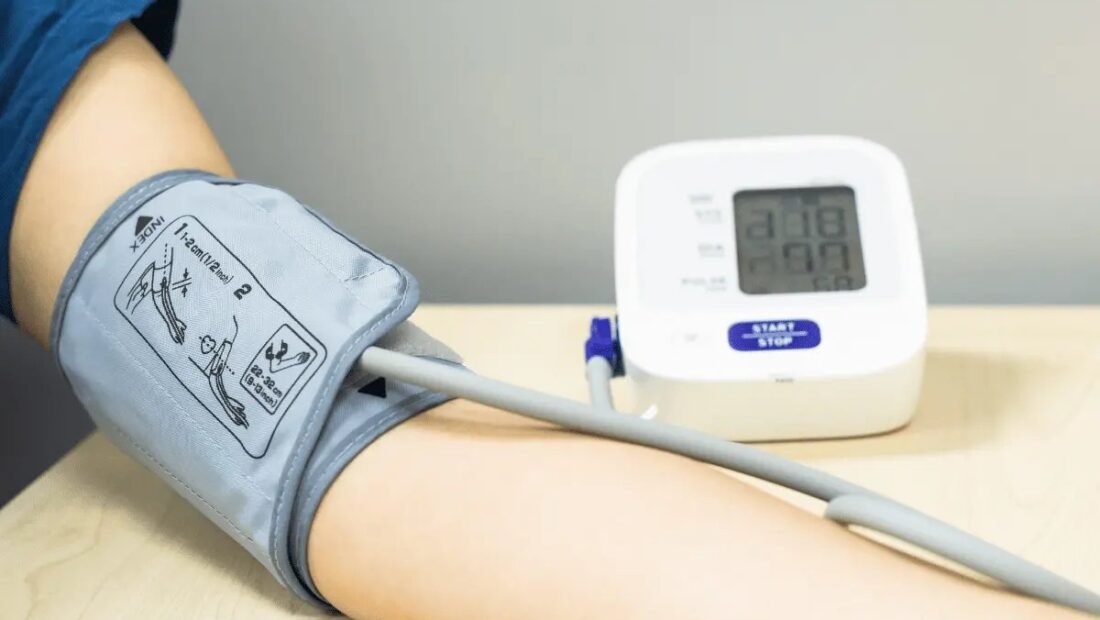
Here is the uncomfortable truth this whole article hangs on: the earliest sign of high blood pressure is usually that there is no sign. Hypertension earned the name “the silent killer” not as a slogan but as a clinical description — most people with dangerously elevated readings feel completely fine, sometimes for years, while the pressure quietly damages arteries, heart, kidneys, eyes, and brain. That is why the honest version of this article is not a list of symptoms to wait for. It is a checklist: the occasional clues that do exist, the related signs people misread, and above all the measurement routine that actually catches the condition.
The checklist, part one: clues that sometimes appear
☐ Morning headaches that keep recurring
Headaches from blood pressure alone are less common than folklore says, and when they occur they are typically at very high readings. Still, a pattern of waking headaches deserves a blood-pressure check among its first investigations — cheap to rule in or out, and occasionally the thread that pulls the whole diagnosis.
☐ Vision changes: blurring, spots, or episodes of dimming
The retina is the one place where blood vessels can be seen directly, and sustained high pressure damages them. New blurring or visual disturbances alongside other clues should move a check from “sometime” to “this week” — and any sudden vision change is an urgent-care matter on its own merits, blood pressure or not.
☐ Breathlessness or chest discomfort on exertion that is new for you
These are more often signs of the damage than of the pressure itself — a heart that has been working against high resistance for years thickens and stiffens, and exertion starts to cost more than it used to. New exertional symptoms are cardiac until proven otherwise; the blood-pressure reading is one part of that work-up, not a substitute for it.
☐ Nosebleeds that are frequent or hard to stop
A single nosebleed proves nothing; dry air exists. Recurrent nosebleeds belong on the list of patterns worth mentioning to a doctor, where a blood-pressure measurement will be among the first and easiest data points collected.
☐ A pounding heartbeat, flushing, or a feeling of pressure in the head
These sensations are real and commonly reported — and commonly caused by anxiety, caffeine, fever, or a dozen other things instead. Their value on this checklist is as prompts: if they recur, let them remind you to measure, not to conclude. Which brings the checklist to the only part that actually works.
The checklist, part two: the signs in your numbers
☐ One high reading at a pharmacy or fair
A single elevated reading is a lead, not a diagnosis. Pain, stress, a full bladder, a rushed dash to the machine, and the wrong cuff size all inflate readings, and “white coat” elevation at the doctor’s office is so common it has its own name. The correct response to one high number is a series of calm ones.
☐ Two or more high readings on different days
This is the threshold pattern clinicians act on. Under the categories used by the American Heart Association, normal is below 120/80; readings persistently in the 130s/80s and above are in hypertension territory that warrants a treatment conversation. The American Heart Association’s guide to blood pressure readings explains the categories and what each calls for — read it once and the numbers stop being abstract.
☐ Home readings that stay high even when the office ones don’t — or the reverse
Home monitoring catches both masked hypertension (fine at the office, high in life) and white-coat hypertension (the mirror image), which is why doctors increasingly trust a week of home readings over a single office number. The measurement technique matters more than the gadget: a validated upper-arm cuff in the right size, seated, back supported, feet flat, arm at heart level, five quiet minutes first, no talking, no caffeine or exercise in the prior half hour, two readings a minute apart, morning and evening for a week, written down. Done that way, home numbers are clinical-grade evidence. Done sloppily, they are weather reports from a broken station.
The checklist, part three: signs that show up in other people’s reports
☐ A comment about your eyes at an eye exam
Optometrists and ophthalmologists examine retinal blood vessels directly, and phrases like “narrowing” or “changes consistent with hypertension” on an eye report are a blood-pressure work-up asking to happen. Eye professionals flag this precisely because the eye is often where silent pressure announces itself first to any professional who looks.
☐ Protein in a urine test, or kidney numbers drifting
Kidneys are both victims and amplifiers of high pressure, and routine labs sometimes carry the earliest objective evidence — protein appearing in urine, or filtration estimates trending down over successive annual physicals. Any such finding earns a careful look at the pressure trend, not just the single reading that day.
☐ A parent or sibling diagnosed young
Not a symptom, but a sign in the checklist sense: hypertension in a first-degree relative, especially diagnosed before sixty, raises your own odds enough that annual checks should start earlier and home monitoring should start sooner. Family history is the cheapest predictive test in all of medicine — it costs one question at a holiday dinner.
What a diagnosis actually leads to (so the check feels less frightening)
Some people avoid measuring because they fear the number will put them on medication for life, and it is worth defusing that directly. A hypertension diagnosis usually opens with the lifestyle levers — sodium reduction, weight, exercise, alcohol, sleep apnea treatment where relevant — with medication added according to how high the numbers run and what other risks stack alongside. Modern blood-pressure medicines are old, well-understood, mostly inexpensive, and taken once daily; the condition is one of the most successfully managed in all of medicine when it is caught, and one of the most destructive when it is not. The gap between those two outcomes is rarely treatment. It is detection — which is to say, it is the checklist, the cuff, and the two minutes.
☐ The trend across your annual physicals
The single most underrated item in this checklist: a reading does not have to cross a threshold to be information. Blood pressure that has crept from 112 to 124 to 133 across three annual visits is a trajectory, and trajectories are what prevention is for. Ask for your numbers at every physical and keep them in the same notebook as your home readings. A condition famous for silence is often, in retrospect, visible for years in data nobody lined up side by side. Lining it up is free, takes one minute per year, and converts three forgettable numbers into the one pattern that gets people treated early instead of eventually.
Who should be checking most carefully
Risk concentrates, and knowing your cluster tells you how seriously to take the routine. Family history of hypertension or early heart disease. Age — arteries stiffen, and readings creep. Kidney disease and diabetes, which both cause and suffer from high pressure in a vicious circle. Sleep apnea, the great hidden driver. Diets high in sodium and low in potassium, heavy alcohol use, inactivity, and excess weight — the lifestyle cluster. Habits in the same web include things people rarely connect to the heart at all, which is why questions like can drinking coffee every day harm your heart deserve a more careful answer than either panic or dismissal.
The appointment rule
Everything above reduces to a simple operating rule. If you are an adult and do not know your current blood pressure, that is the first item on the checklist — a home cuff costs roughly the price of a family pizza, and a pharmacy or clinic check costs nothing but the trip. If your readings repeatedly sit at or above the hypertension thresholds, the next step is a doctor’s appointment, not a supplement, a cleanse, or a decision to worry quietly. And if a reading is ever extremely high (in the region of 180/120) together with chest pain, breathlessness, vision change, or weakness, that combination is an emergency call, not an appointment — that is the one presentation where hypertension stops being silent and starts being an event.
Notice what this checklist does not ask you to do: wait for your body to warn you. For this particular condition, the body mostly will not, which is the entire problem — and the entire solution is that the test is cheap, painless, two minutes long, and definitive. The people who catch high blood pressure early are not the ones with the most symptoms. They are the ones with a cuff, a notebook, and a habit — thirty dollars of equipment, two minutes of routine, and the willingness to know a number that most people would rather leave unknown until it introduces itself, years later, at considerably higher cost, in a hospital rather than a kitchen, and with far fewer options attached.




1 Comment