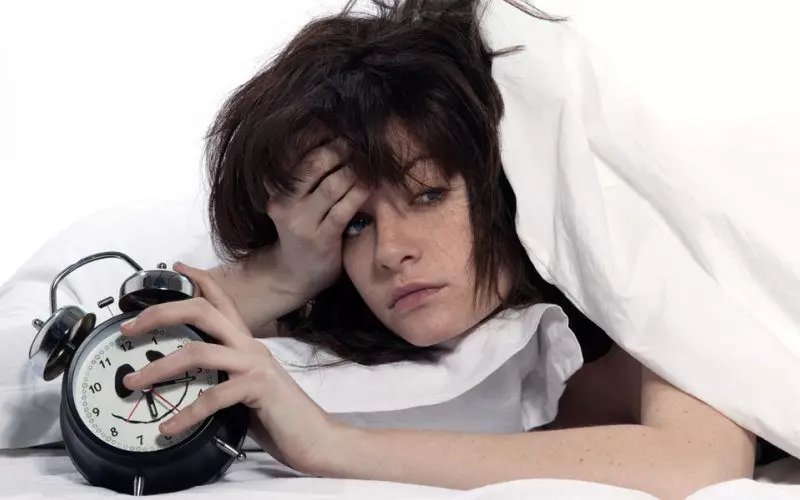
You did the thing everyone told you to do. Eight full hours in bed, lights out at a sensible time — and the alarm still feels like it went off an hour early, and by 2 p.m. you are reading the same email for the fourth time. The frustrating conclusion most people draw is “I need more sleep.” Usually, that is the wrong conclusion. Eight hours of poor-quality, mistimed, or interrupted sleep can leave you worse off than six and a half good ones, and the causes are specific, findable, and mostly fixable. Work through the mistakes in the order people usually make them.
Mistake 1: Counting hours in bed instead of hours asleep
The eight hours on your clock and the sleep you actually got are different numbers. If you spent forty of those minutes falling asleep, woke three times in the night, and scrolled your phone for twenty minutes at 4 a.m., your true sleep may be closer to six and a half hours — and fragmented sleep is worth less per hour than unbroken sleep on top of that, because the deep and dreaming stages keep getting restarted. This is why sleep researchers measure sleep efficiency (asleep time divided by time in bed) and why a tracker that shows 87% efficiency is telling a more honest story than the “8h 02m” headline. Before adding hours, find the missing ones: a bedroom that is too warm, light leaking in, a partner’s snoring, a bladder scheduling two nightly meetings. Each is a boring, mechanical fix, and boring mechanical fixes are where most “mystery tiredness” actually lives.
Mistake 2: Sleeping eight hours at the wrong eight hours
Your body runs on a circadian clock, and sleep taken against it is worth less than sleep taken with it. The weekend pattern is the classic self-own: up at 6 a.m. all week, asleep until 10 on Saturday, then baffled by Sunday-night insomnia and a Monday that feels like jet lag — because it is jet lag, self-inflicted, without leaving the timezone. Night owls forced onto lark schedules (and early birds on late ones) collect the same penalty nightly. The fix is unglamorous consistency: keep the wake time within about an hour across the whole week, and get bright light soon after waking to set the clock’s daily anchor. If your eight hours cannot move, move their consistency first; it is often the entire problem.
Mistake 3: Ignoring the apnea possibility
This is the mistake with medical stakes. Obstructive sleep apnea — the airway collapsing repeatedly during sleep, sometimes dozens of times an hour — produces exactly this presentation: adequate hours, unrefreshing sleep, morning headaches, a dry mouth, and a partner who reports snoring with alarming pauses. The sleeper often has no idea, because they never fully wake; the brain just never descends into sustained deep sleep. Loud habitual snoring plus daytime sleepiness is the combination doctors take seriously, and MedlinePlus on sleep apnea lays out the symptoms and the diagnostic path (a sleep study, increasingly done at home) clearly. Apnea is common, underdiagnosed, and linked to the blood-pressure and heart problems the tired person least needs. If this section sounds familiar, no amount of sleep hygiene substitutes for getting it checked — this is the one cause on the list where white-knuckling your routine helps not at all.
Mistake 4: Sabotaging the second half of the night
Alcohol at 9 p.m. sedates you into the first hours and fragments the last ones, as the body metabolizes it and rebounds toward wakefulness — you pay for two hours of easy falling-asleep with four hours of shallow, broken sleep. Late caffeine is the quieter saboteur, still half-active at bedtime from an afternoon dose. Heavy late meals, a hot bedroom, and late intense exercise all push in the same direction for many people: the night looks long on paper and ragged in reality. The diagnostic tell is a specific pattern — you fall asleep fine and wake at 2 or 3 a.m. unable to return properly. When that is your shape of tired, audit the evenings before you audit anything else.
Mistake 5: Blaming sleep for what isn’t sleep
Sometimes eight good hours are genuinely happening and the tiredness is coming from elsewhere — and sleep gets blamed because it is the most famous suspect. An underactive thyroid, low iron or B12, depression (which famously produces unrefreshing sleep and early waking as symptoms, not just consequences), certain medications, and plain chronic stress all wear tiredness as their headline symptom. The practical marker: if you sleep well on holiday — same hours, different life — and return rested, your sleep apparatus works and something in ordinary life is the drain. If you sleep badly everywhere and wake tired in every postcode, the problem travels with you and deserves a medical conversation rather than another pillow purchase. A basic blood panel rules several of these in or out in one visit.
Mistake 6: Reaching for a bigger dose instead of a better pattern
The reflex fix for tiredness is a supplement or a longer lie-in, and both commonly deepen the problem — the lie-in by wrecking the schedule consistency of Mistake 2, and the supplement by treating a quality problem as a quantity problem. The better first experiments are the pattern ones above: same wake time daily, light in the morning, a cool dark room, evenings declawed. Relatedly, before self-prescribing anything nightly, it is worth thinking through is it safe to take melatonin every night — what it does, what it cannot do, and why dose size fools so many people.
Mistake 7: Waking up in the wrong part of the cycle
Sleep runs in cycles of roughly ninety minutes, descending into deep sleep and rising back toward dreaming and near-waking. An alarm that detonates during the deep phase produces sleep inertia — the thick, drunk, worse-than-before feeling that can take an hour to clear — while the same person woken twenty minutes later, at a cycle boundary, surfaces almost cleanly. This is the entire truth behind the folk wisdom that six hours can feel better than eight: six hours is four full cycles, eight hours can land mid-descent. It is a marginal effect next to the mistakes above, not a license to sleep less — total sleep still matters more than phase timing — but if your hours are adequate and your wake-up is consistently brutal, shifting the alarm by twenty or thirty minutes in either direction is a legitimate experiment. Trackers that attempt cycle-based smart alarms are chasing this same effect; a fixed experiment with your wake time gets you most of it free.
There is a related trap in the opposite direction: the snooze button, which purchases nine-minute fragments of the worst sleep in the world — shallow, anxious dozing punctuated by alarms, delivering neither rest nor wakefulness. One alarm, at a consistent time, followed by light and movement, produces a better morning than forty minutes of snoozed fragments, and it is usually the single cheapest upgrade available to the still-tired.
What to do this week
Run the audit in order. Write down your real asleep hours for three nights (a tracker helps; honest notes work too). Fix the wake time and hold it for a week, weekends included. Screen yourself honestly against the apnea picture. Clean up the evening variables for the same week — earlier caffeine cutoff, no nightcap, bedroom cooler. Then judge. If a fortnight of genuinely good quantity, timing, and conditions still leaves you waking exhausted, the answer is no longer in articles at all: it is in a doctor’s office, with your notes in hand, which will make that conversation far more productive than “I’m just tired all the time.”
One environmental fix deserves its own sentence because it outperforms most gadgets: temperature. Core body temperature needs to fall for deep sleep to consolidate, and a bedroom that is merely “fine” is often two or three degrees too warm for the sleeper in it — particularly in the second half of the night, when overheating produces exactly the restless, dream-crowded light sleep that registers as unrefreshing. Cool the room before bed, choose the lighter layer over the heavier one, and let feet warm while the room stays cool; it sounds absurdly small, and in practice it is one of the highest-yield changes on this entire list. Darkness runs a close second: the blackout curtain or the humble sleep mask outperforms most supplements ever sold for this problem.
The reassuring truth inside the frustration is that “eight hours and still tired” is not a mystery condition
— it is a symptom with a short list of usual causes, most of them mechanical and most of them fixable by the person experiencing them. You do not need more sleep nearly as often as you need the sleep you are already getting to count — and counting, in every sense, is something you can start measuring honestly tonight, with a notebook, a fixed alarm, and one week of paying proper attention.