
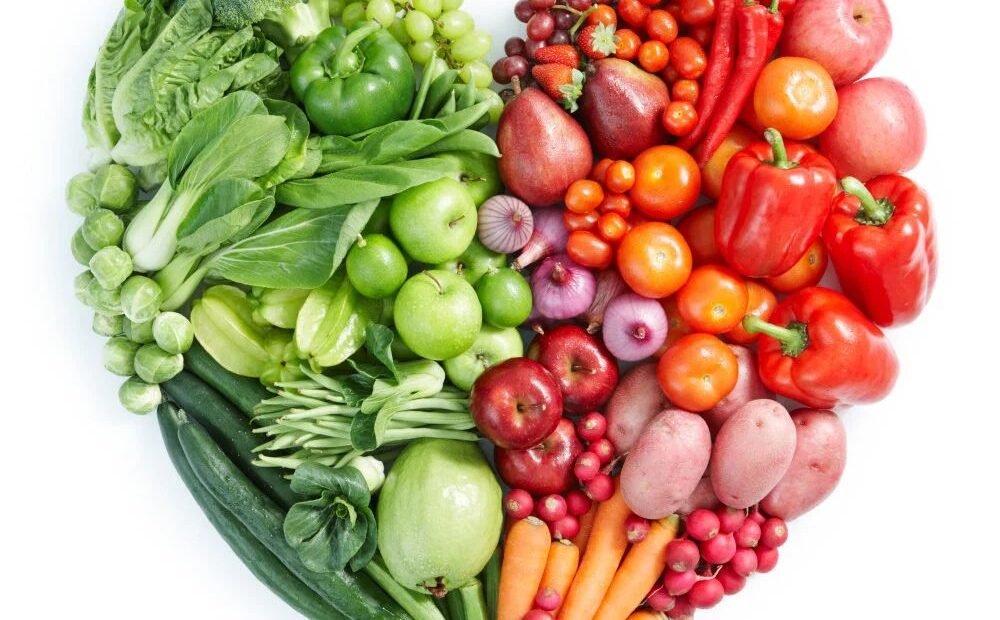
Your doctor says your cholesterol is borderline and suggests lifestyle changes before medication. Good news: for many people, those changes actually work — not marginally, but meaningfully. The bad news: ‘eat better and exercise’ is useless advice without specifics. Here are the specifics.
I’ve read the standard advice on this, and honestly, half of it was written by someone who’s never done it. Here’s the practical version.
Lower my cholesterol without medication in the Real World
My dad’s LDL was 168 — solidly in the ‘let’s talk statins’ zone. He asked for six months to try lifestyle first. He switched to oatmeal most mornings (soluble fiber is the unsung hero), started walking 40 minutes daily, swapped butter for olive oil, and lost 18 pounds. Six months later: LDL 132. His doctor was impressed enough to hold off on medication. Not everyone gets those results — genetics matter — but he proved the ceiling is higher than most people assume.
What makes this topic tricky is that everyone’s situation is genuinely different. Age, genetics, existing conditions, medications — they all change the answer. That’s why the best health articles (this one included) give you frameworks and questions, not prescriptions. Use this as a starting point for a conversation with your clinician, not a replacement for one.
Finally, be patient with the process. Health changes unfold over weeks and months, not days. Track what you can, trust the trend over the noise, and give your body time to respond.
For authoritative background on this topic, see the American Heart Association cholesterol guide.
Common Mistakes to Avoid
If you only remember one section of this article, make it this one. Avoiding these mistakes puts you ahead of most people trying the same thing.
- Going on an extreme diet for three weeks, then rebounding harder
- Focusing only on cutting cholesterol in food while ignoring saturated fat, which matters more
- Assuming supplements replace the fundamentals — they don’t
Your Action Plan
Time for the practical part. These steps are ordered so each one makes the next easier.
- Eat soluble fiber daily: oats, beans, lentils, apples. It directly pulls cholesterol out.
- Swap saturated fats (butter, fatty meat) for unsaturated (olive oil, nuts, fish).
- Walk briskly 30+ minutes most days — exercise raises HDL, the good kind.
- Lose even 5-10% of body weight if overweight; it moves LDL noticeably.
Why This Matters More Than You Think
One underappreciated truth about lower my cholesterol without medication: understanding it reduces anxiety. So much health stress comes from uncertainty — not knowing what’s normal, what’s serious, or what to do next. Knowledge doesn’t replace medical care, but it replaces vague worry with a clear plan. And a clear plan is half the battle for actually following through.
What the Research and Real Experience Say
Here’s something doctors wish more patients knew about lower my cholesterol without medication: the guidelines exist because they’ve been tested on thousands of people, not because someone had a hunch. Evidence-based recommendations are conservative by design — they’d rather under-promise than steer you wrong. When your doctor’s advice sounds less exciting than the influencer’s, that’s a feature, not a bug.
Your First 30 Days
In 30 days, aim to end up with a habit, not just a result. Results fluctuate; habits persist. If after a month the new behavior feels mostly automatic — something you do without debating it — you’ve won, regardless of what the numbers say yet. The numbers follow the habit, on a delay.
What Success Looks Like
What does success with lower my cholesterol without medication look like? Not a dramatic before-and-after — a quiet, sustainable new normal. The habit feels automatic, the numbers are moving the right direction, and you’re not thinking about it every day. Health wins are rarely photogenic. They’re the absence of problems, the presence of energy, the background hum of a body that’s being looked after. Aim for boring and consistent.
Quick Answers to Common Questions
What’s the single most important thing to get right?
Consistency beats perfection. Showing up regularly at 70% effort outperforms occasional 100% efforts by a wide margin. Build the habit first; optimize later.
How do I know if it’s working?
Pick one or two simple metrics and check them monthly — not daily. Daily noise will drive you crazy; monthly trends tell the truth. Write down your starting point so you have something honest to compare against.
Should I get professional help?
If you’re stuck after an honest 60-90 days of effort, yes. A professional spots in one session what might take you six months to figure out. It’s not admitting defeat — it’s buying speed.
Keep notes on what you try and what happens. Future you will be grateful, and patterns emerge from written records that you’d never spot from memory alone.
Here’s my challenge to you: don’t let this be another article you read and forget. Choose one idea from above — just one — and try it this week. You’ll learn more from that single experiment than from reading ten more articles on the topic.
Keep learning: Is It Safe to Take Melatonin Every Night?, Is Walking 10,000 Steps a Day Actually Necessary?, and How to Negotiate Rent for a Small Retail Space.
The Bottom Line
Lifestyle changes can genuinely lower cholesterol — fiber, better fats, movement, and modest weight loss. Give it an honest three to six months, retest, and let the numbers decide what’s next. For further reading, the NIH cholesterol resources is a solid next stop.
When in doubt, choose the reversible option first. You can always get fancier later, but you can’t un-spend the money or un-burn the time.
Celebrate the unglamorous middle. The beginning is exciting and the end is satisfying, but the middle — where most people quit — is where the actual results live.
Ask yourself what ‘good enough’ looks like before you start. Without a finish line, everything expands to fill all available time and budget.
The best time to start was a year ago; the second-best time is this week. Not someday, not when things calm down — this week, in whatever small way you can.



